
HOW TO FOLLOW THE BEESTIES...
Our guide to the 2027 Great Migration
More than a million wildebeest are limbering up for another lap of the Serengeti and Masai Mara and they haven't thought to check our diaries or yours! So, we've worked out where this great hairy caravan will be in every month of 2027, along with the sneaky ways to watch it from the quiet seats while everybody else jostles for views at the river. This, then, is our month by month guide to the Great Migration, from the baby boom and the big swim to how to nab the best spots...
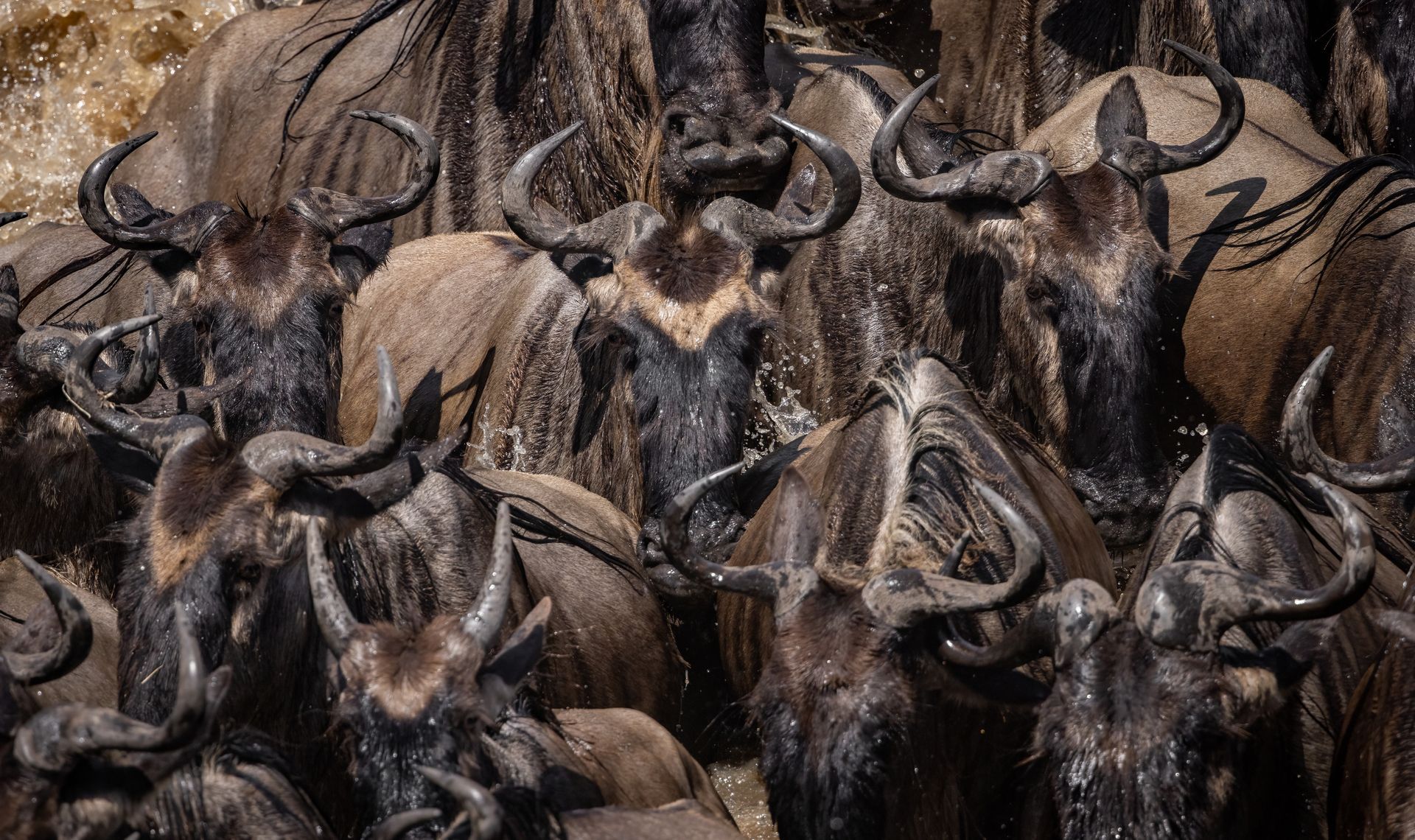
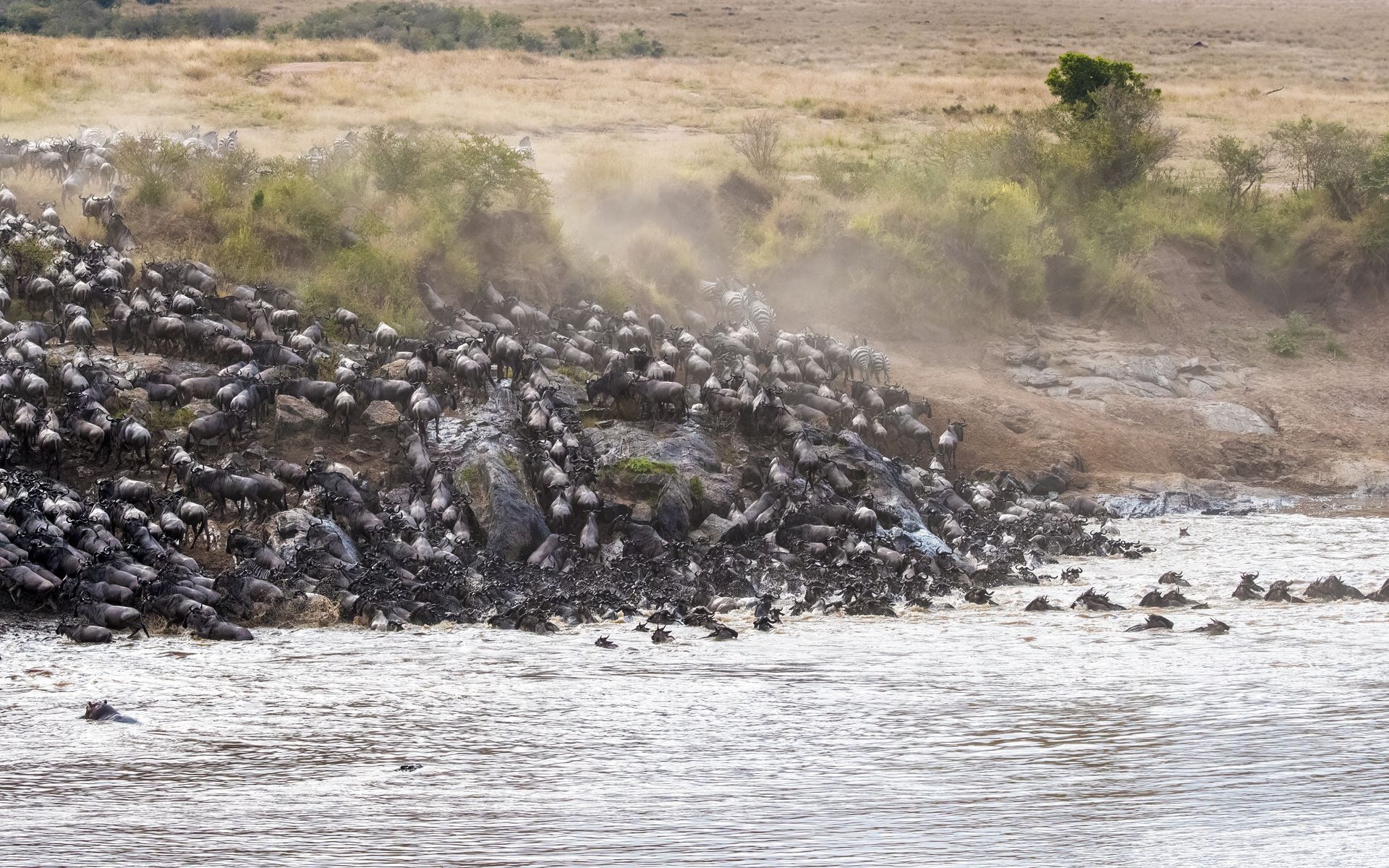
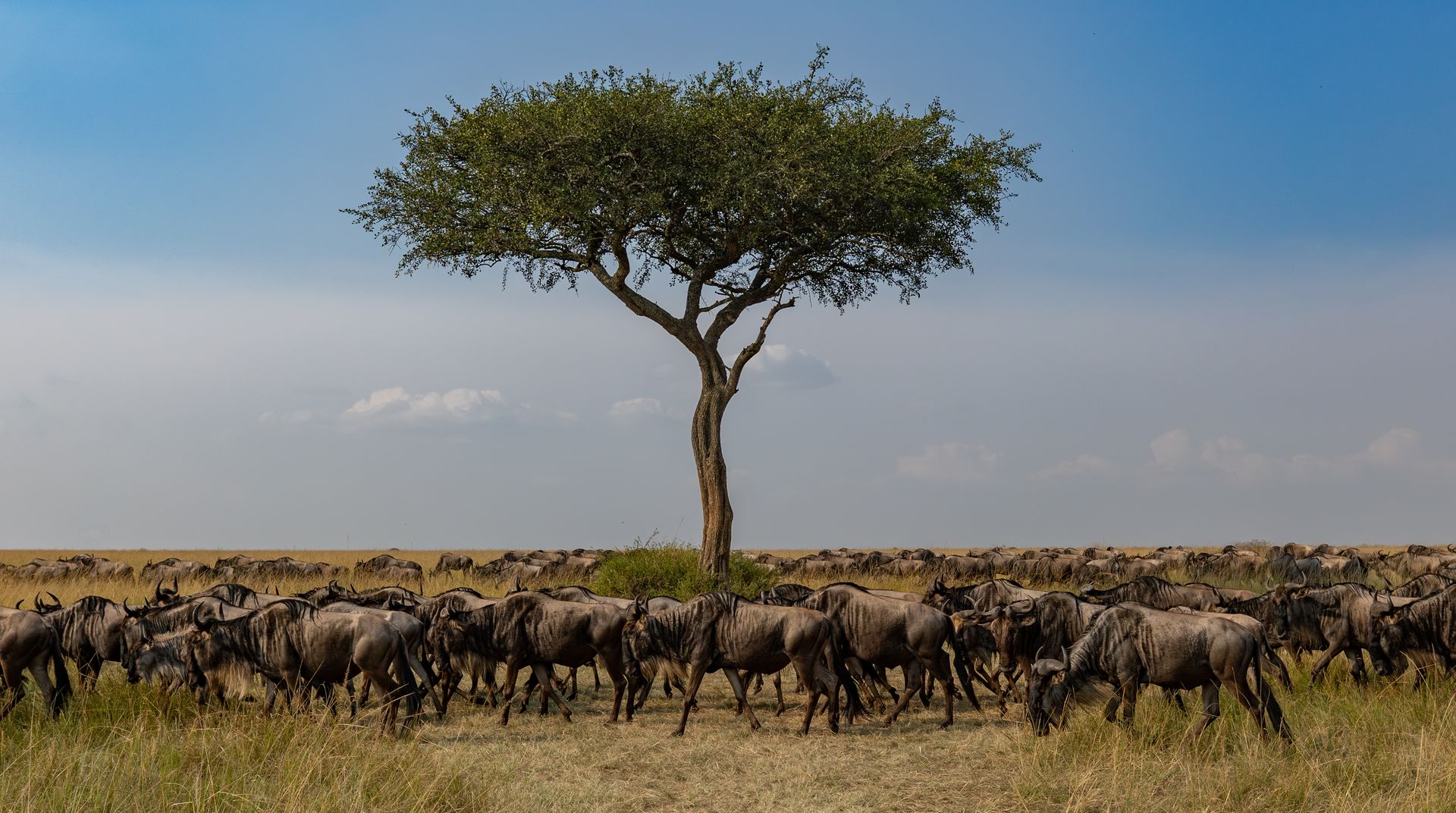
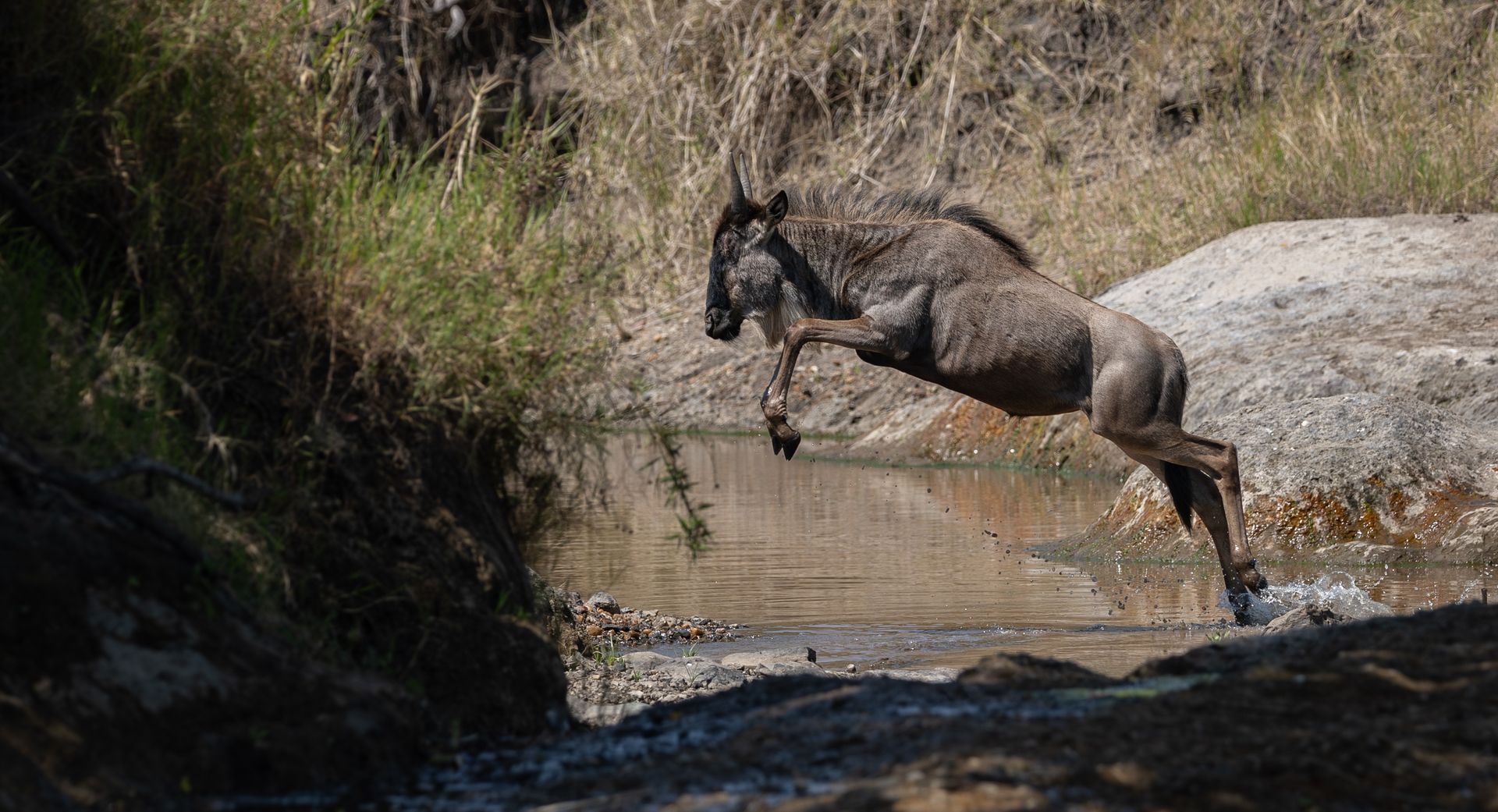
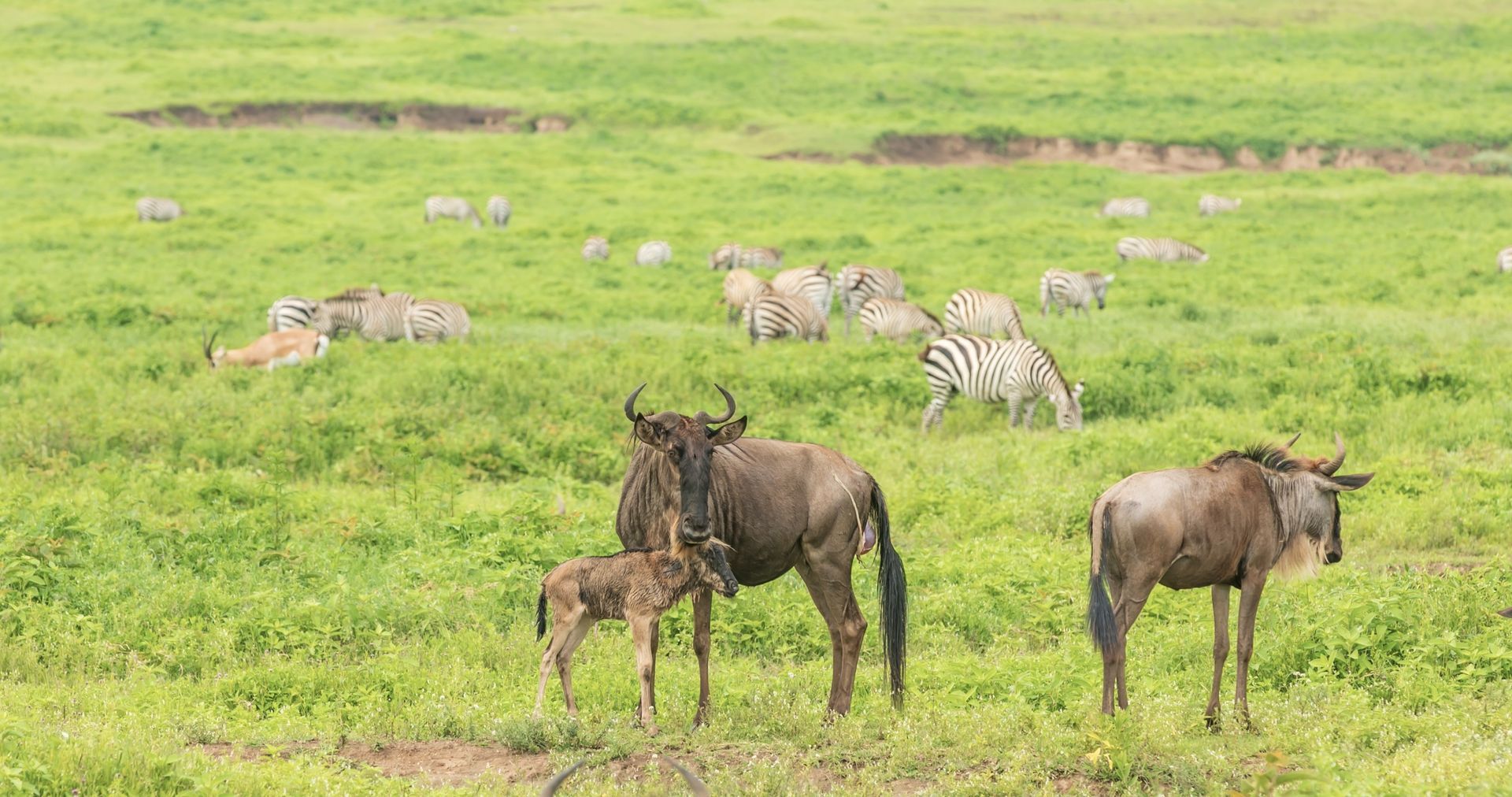
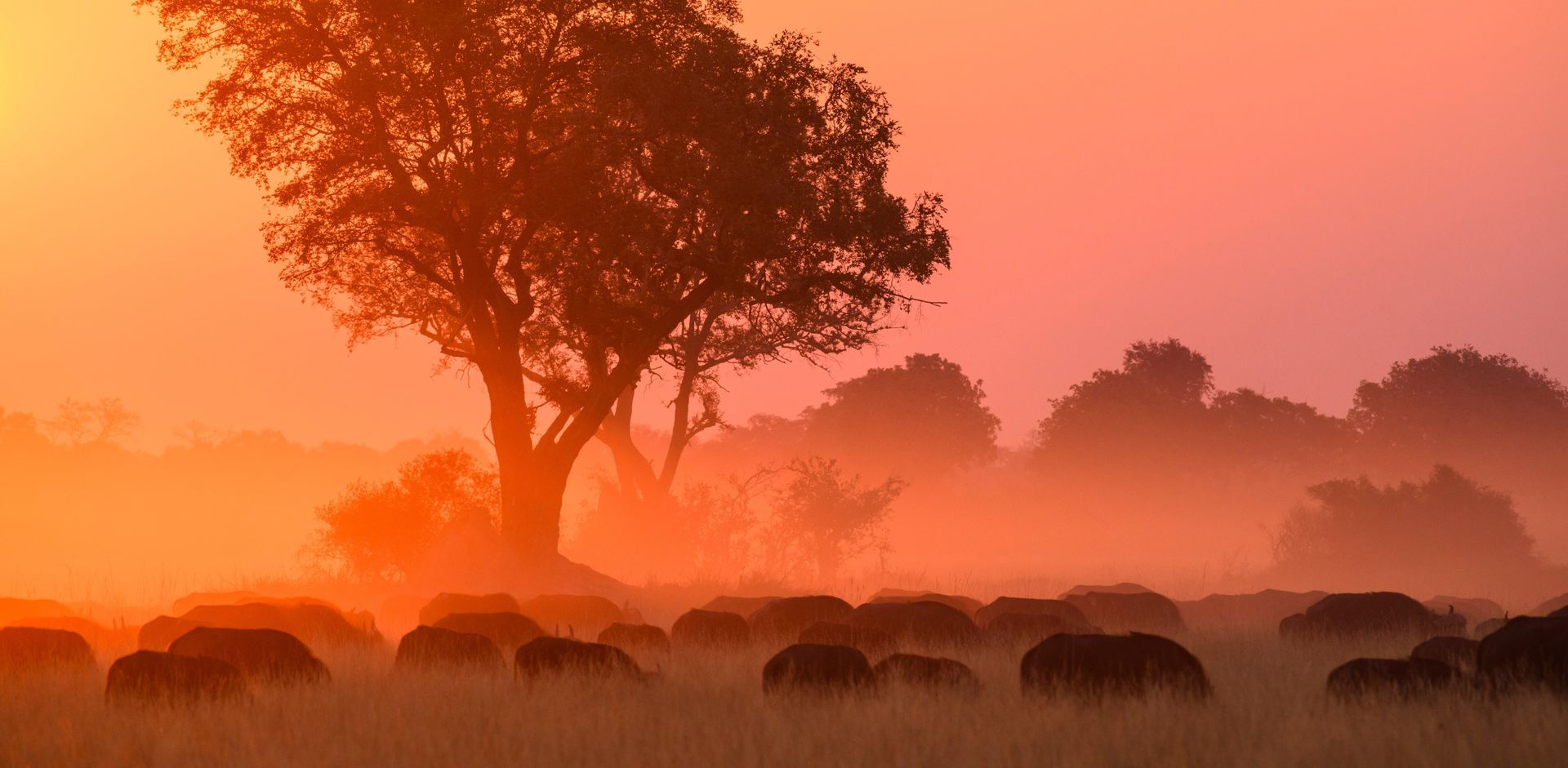
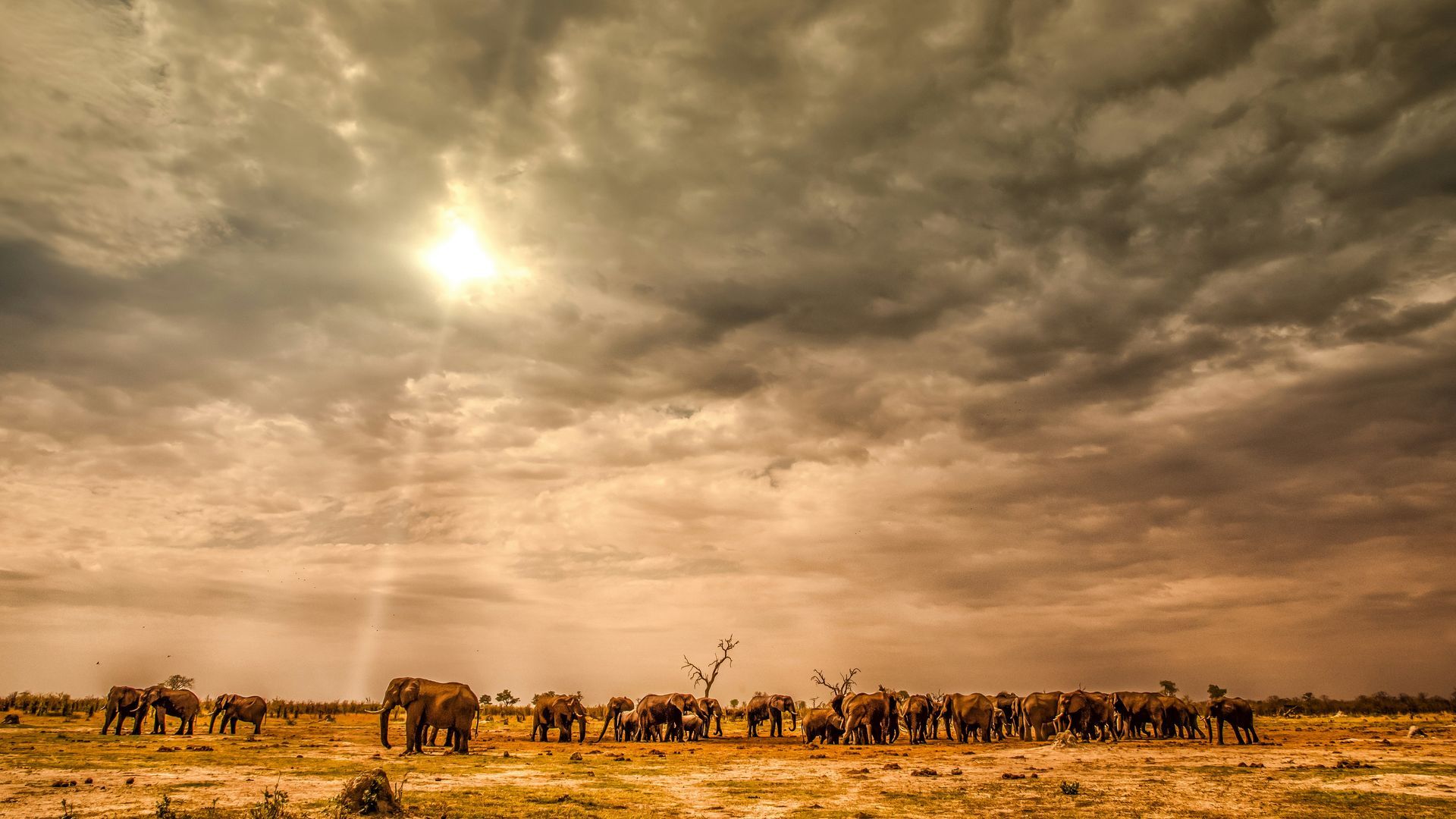
Picture a road trip with no sat nav, no itinerary and no sense of when to stop for lunch, undertaken by well over a million wildebeest, hundreds of thousands of zebra and gazelle who've decided to follow the rain wherever it leads, and you have the Great Migration, a clockwise loop of up to 1,800km through northern Tanzania's Serengeti and Kenya's Masai Mara National Reserve that has no official beginning, no official end and no interest whatsoever in whether you've booked your flights.
The good news for those of us who like a plan is that the herds keep remarkably consistent habits, so the story unfolds in the same order each year even if the dates wobble by a few weeks with the rains, and what follows is our guide to the chapters, plus a few hard-won opinions about where to sit while you watch them.
The baby boom on the southern plains
January finds the herds feasting on the short grass plains around Ndutu, which is where the whole circus gives birth, and in February the nursery goes into overdrive with something like 500,000 calves arriving in a few frantic weeks, so that the plains resemble an open-air maternity ward with a very well-fed security team. The calves are on their feet within minutes, the predators have all got the memo, and the result is a wildlife spectacle with a heady mix of cuteness and carnage that tends to leave first time visitors speechless and slightly sticky with emotion.
By March and April the last stragglers have arrived and the herds are mooching about the southern grass as if reluctant to leave the nursery, while the green season rains bring softer light, fewer vehicles and friendlier rates at many camps, which makes this a smart window for anyone who'd like drama without elbows. The catch is that the calving camps are small, the good ones fill early and the herd's exact position in February depends on where it rained in January, so we always advise leaving a little slack in the itinerary and a lot of faith in the weather.
The trudge north and the first river
Come May the herds set off in long, grumbling lines that wind through the Moru Kopjes towards the Western Corridor, and in June the males begin their annual courtship campaign, a noisy affair involving a great deal of snorting, posturing and unsuccessful chat-up lines. Waiting for them in the Grumeti River are crocodiles of great patience and greater appetite, who treat the crossings, which run roughly from May to July and peak in June and July, as an all you can eat buffet.
We're rather fond of the private Grumeti Reserve, where the camps are few, the vehicles are fewer and guests can swap the usual drive for a guided walk or a night drive, neither of which is allowed in the neighbouring national park, so the day's river drama can be followed by an evening with the bush's night shift.
Nobody can promise a crossing at a particular hour, because wildebeest are notorious for dithering at the water's edge for days or marching off in a huff, so a longer stay is the only reliable way of being there when they finally find their nerve.
The big swim on the Mara River
The vanguard arrives in the northern Serengeti around early July and gathers near Kogatende to build up some collective courage, and from roughly August the Mara River crossings begin, an annual event that sees thousands of animals launching themselves down a muddy bank into a river that's home to some very large and very hungry crocodiles.
By September the bulk of the herds have crossed into Kenya's Masai Mara, the crossings begin to run in both directions as the animals change their minds, and from October the herds begin to turn back towards Tanzania, though how quickly they go, and whether they’re still crossing the Mara River in November, depends entirely on where the rain has fallen, which is why no two years keep exactly the same timetable.
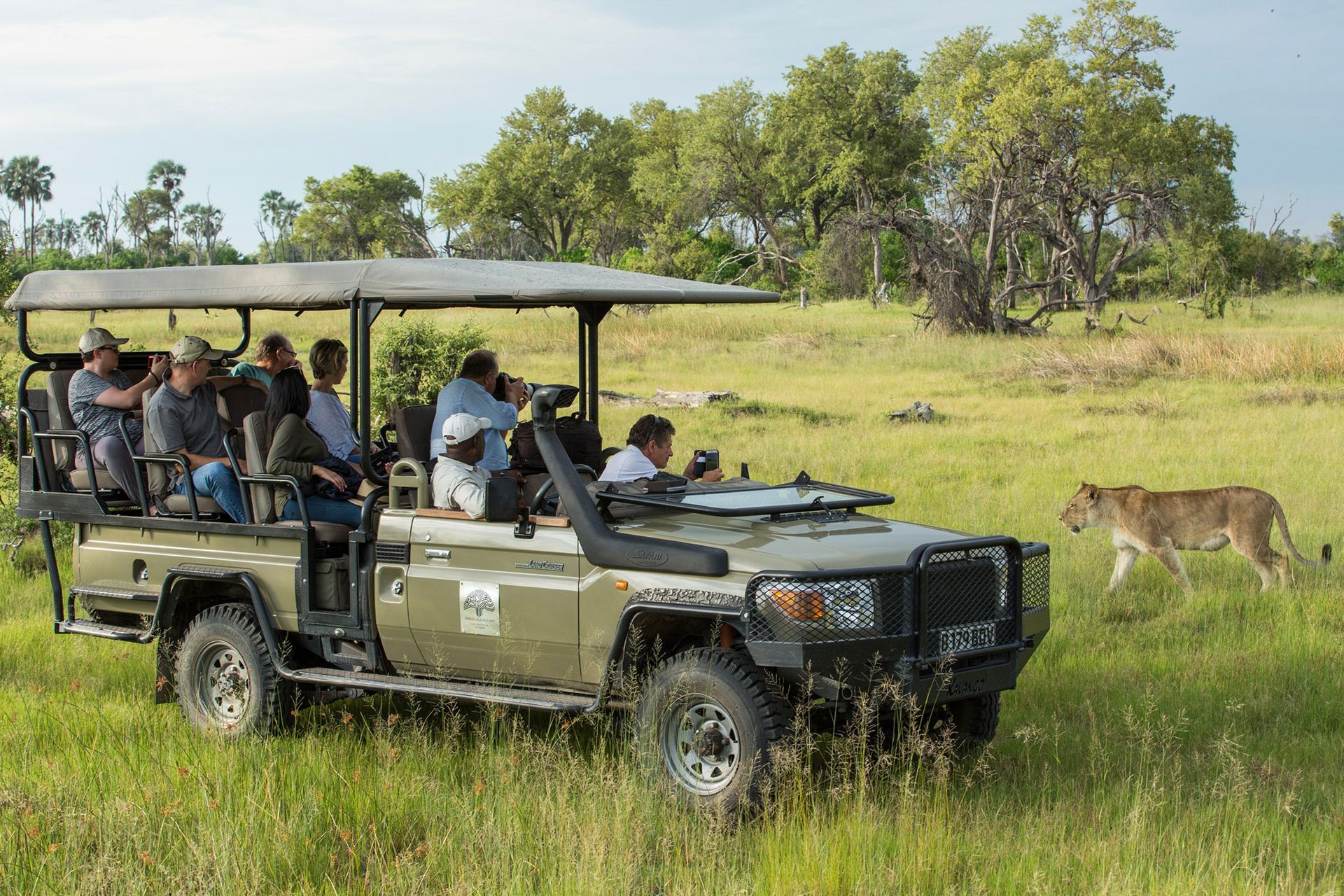
The famous crossing points sit inside the Masai Mara National Reserve, where peak season brings queues of vehicles jostling for position, and since we're not in the business of sending our guests to a car park with a view, we like to base them in the private conservancies on the reserve's edge, where Maasai landowners limit the number of beds so sightings stay peaceful and where night drives and guided walks are on the menu.
A short transfer takes you across to the river on a promising morning, the conservancy welcomes you home for sundowners without a bumper in sight, and a stay of at least four nights gives the wildebeest enough time to make up their minds.
The long amble south
By November the herds are heading south, though the pace and route belong to the rain, and they’re drifting across the Lobo region and the central plains in no great hurry, nudged along by the short rains that turn the landscape a startling shade of green, and by December they've reached the doorstep of Ndutu and the whole cycle is ready to begin again. This is the migration's quiet season, with fewer vehicles, gentler rates and a landscape that looks freshly laundered, and it's a criminally overlooked time to be in the Serengeti.
It's also the best moment to start planning 2027, because the herds ambling past in the central Serengeti right now are the same ones that will be thundering across the Mara River next August, and the small camps with a view of the action have a habit of selling out long before anyone gets around to thinking about them. If you're reading this in November you've still got time to choose a month, a country and a camp, and if you leave it until February you may find that someone who read it in November has taken your tent.
Choosing your month and booking early
The easiest way to pick a month is to decide which part of the show you'd most like a ticket to, since January to March belongs to the newborns, May to July belongs to the Grumeti and its crocodiles, and August to October belongs to the Mara River and its very attentive audience. The Serengeti in Tanzania hosts the nursery and the western river, while the Mara crossings straddle both Tanzania and Kenya, so once you've chosen your month the question of which side of the border to wake up on tends to answer itself.
As a rule of thumb the headline months need booking a year or more ahead, quieter months can be arranged with six months or so in hand, and the small camps and conservancy tents fill first, which puts July to October 2027 closer than it feels from here. A flexible diary, a few extra nights and a camp that sits along the herd's route will all improve your luck, though we should add that the wildebeest have never once checked with us before changing their plans.
Text: Sharon Gilbert-Rivett