
MEET AFRICA'S FUGLIES
A passionate defence of the animals the brochures ignore
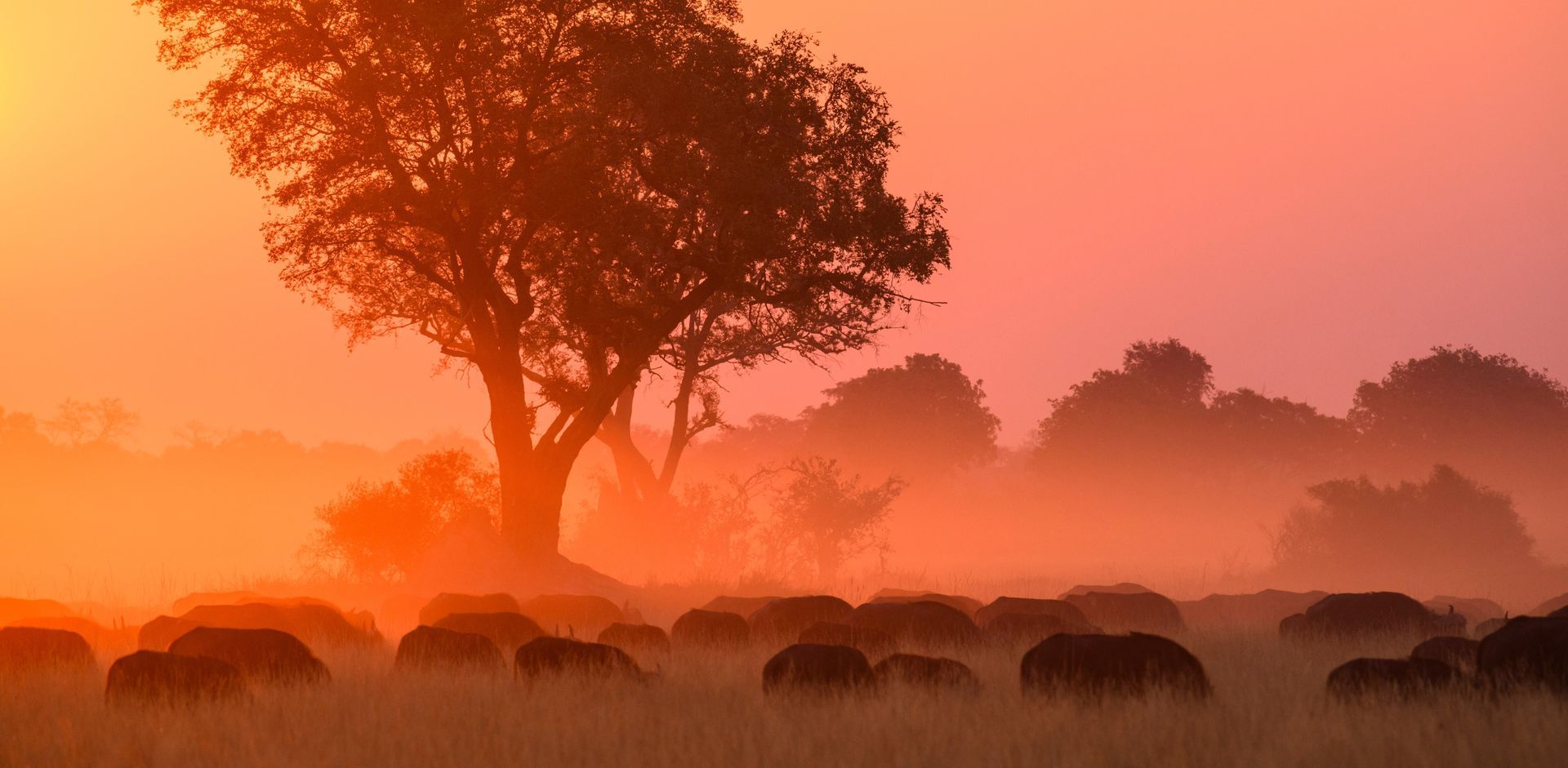
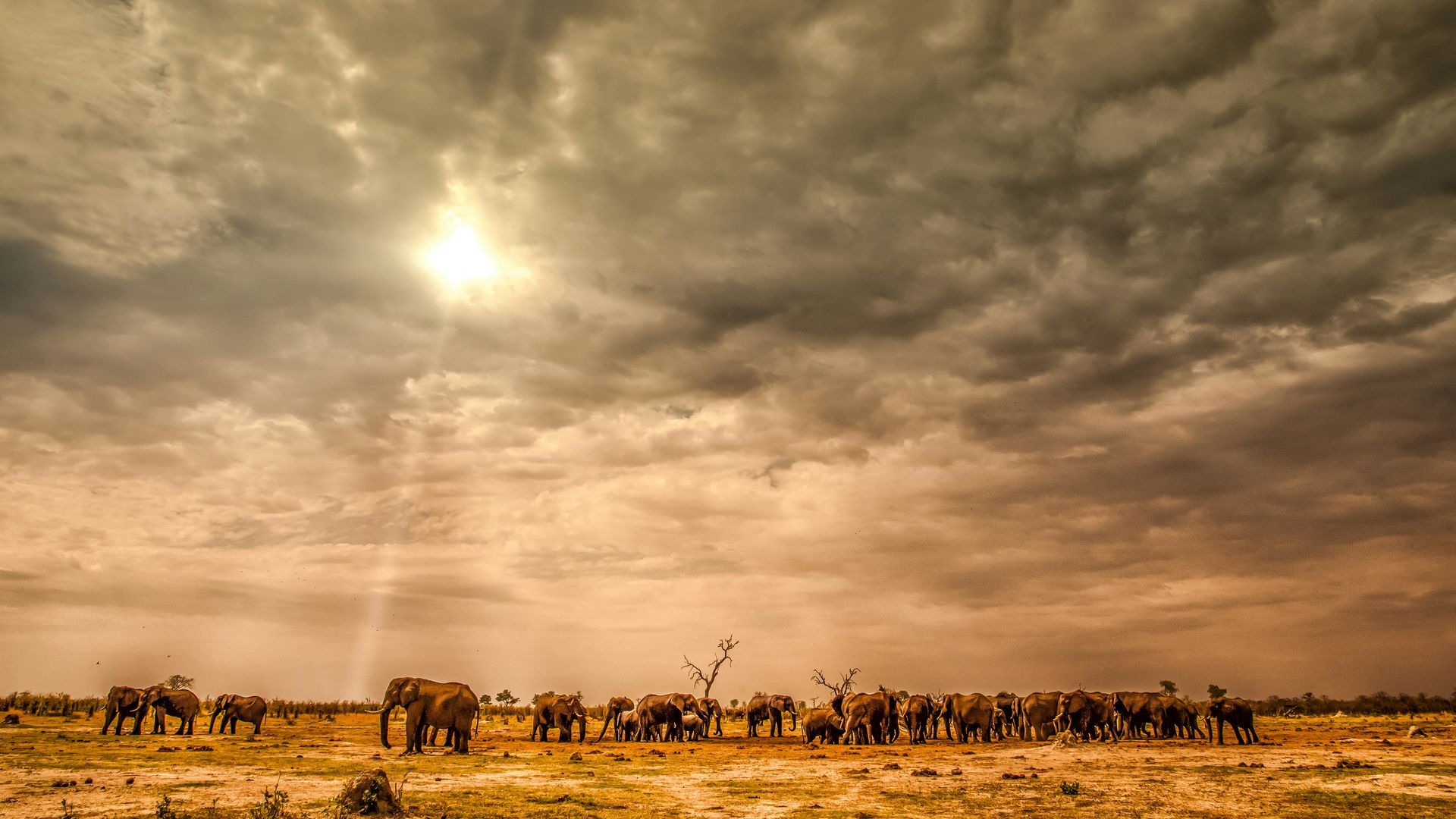
Let's be honest about something... The safari industry has a type. Think golden light, a lion on a kopje, a leopard draped over a branch like living sculpture, an elephant silhouetted against a burnt orange sky. All of it magnificent, all of it entirely real, and all of it representing perhaps 20% of what actually lives out there in the African bush. The other 80% is considerably odder, considerably less photogenic and, once you've given it a proper chance, considerably more interesting. Read on...
We're talking about the fuglies - the animals the brochures, websites and marketing content quietly sidestep, the ones that get a polite nod on the game drive before everyone swivels back to look for the leopard. They are, to a one, absolutely extraordinary. They just need someone in their corner... Consider this blog that!
The wildebeest: nature's rough draft
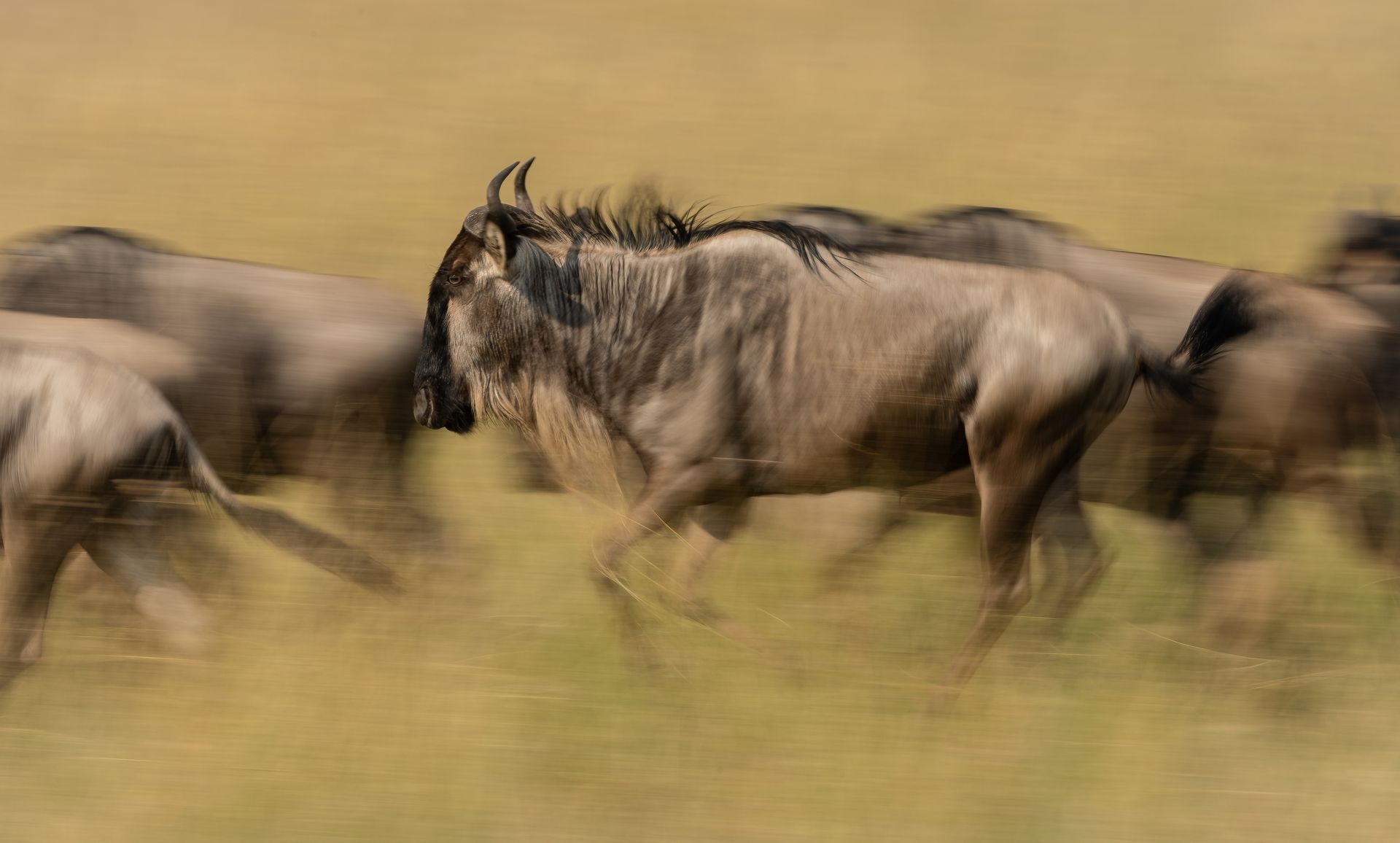
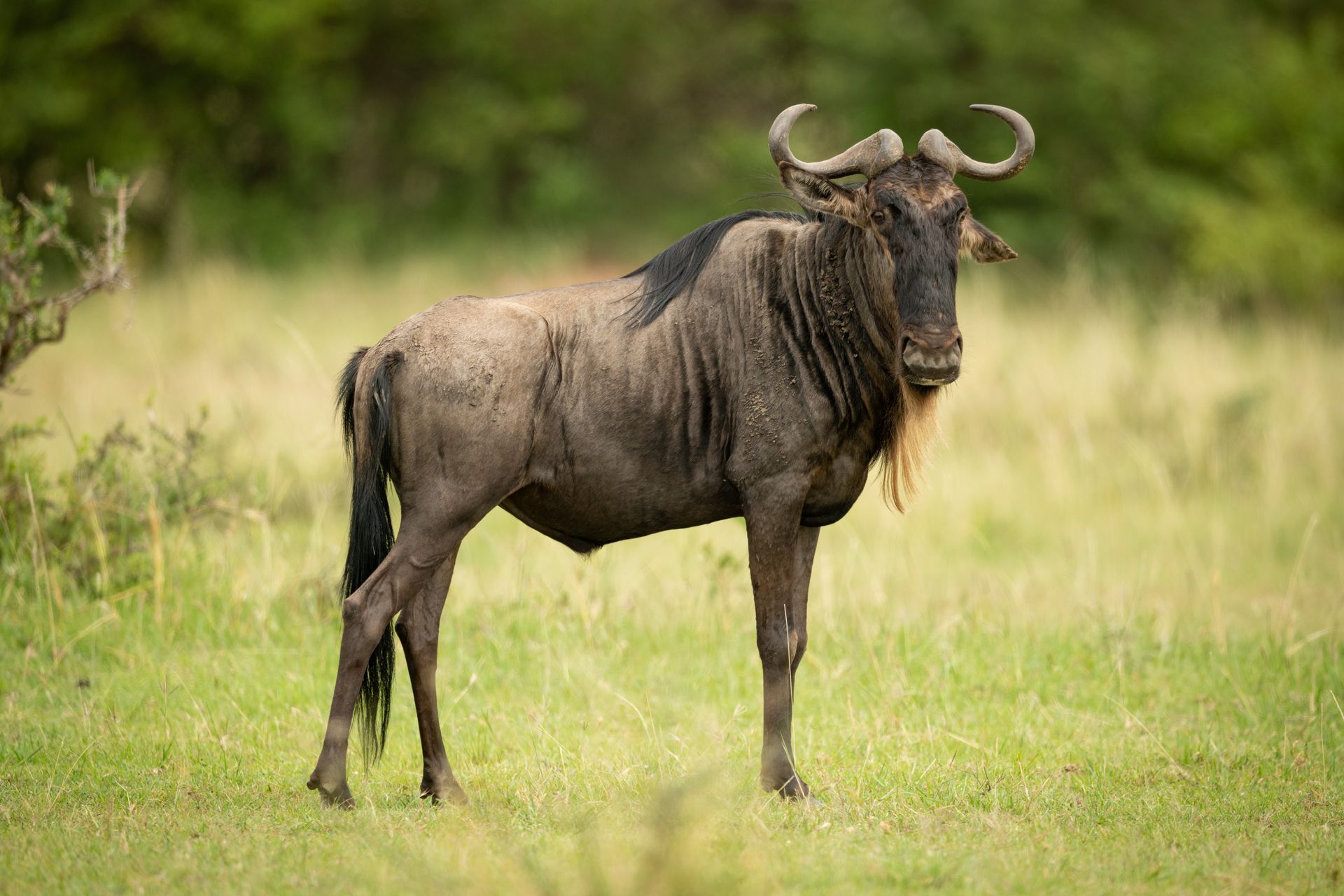
There's no delicate way to say this... The wildebeest looks like it was assembled by a committee that couldn't agree on anything. It has the head of a buffalo, the body of a horse that gave up halfway through, the beard of a jazz musician, the horns of something that had better ideas, the hindquarters of an animal that was clearly built for a completely different purpose and the general air of a creature that knows exactly what everyone is thinking and has simply decided not to care.
The scientific explanation is that the wildebeest is in fact a highly specialised grazing machine perfectly adapted to the African plains, with every apparently absurd feature serving a specific evolutionary purpose. This is true and also completely irrelevant to the fact that it looks like leftovers. Someone in the natural world was clearly working with whatever remained at the end of a very long day, and the wildebeest is the magnificent, improbable result.
What it lacks in aesthetics it makes up for in sheer, staggering spectacle. The great wildebeest migration across the Serengeti and Masai Mara involves somewhere in the region of 1.5 million of these magnificently ridiculous animals moving across the landscape in a river of hooves and dust and collective bewilderment that constitutes one of the greatest wildlife events on earth. Ugly has rarely been this awe-inspiring.
The warthog: proof that confidence is everything
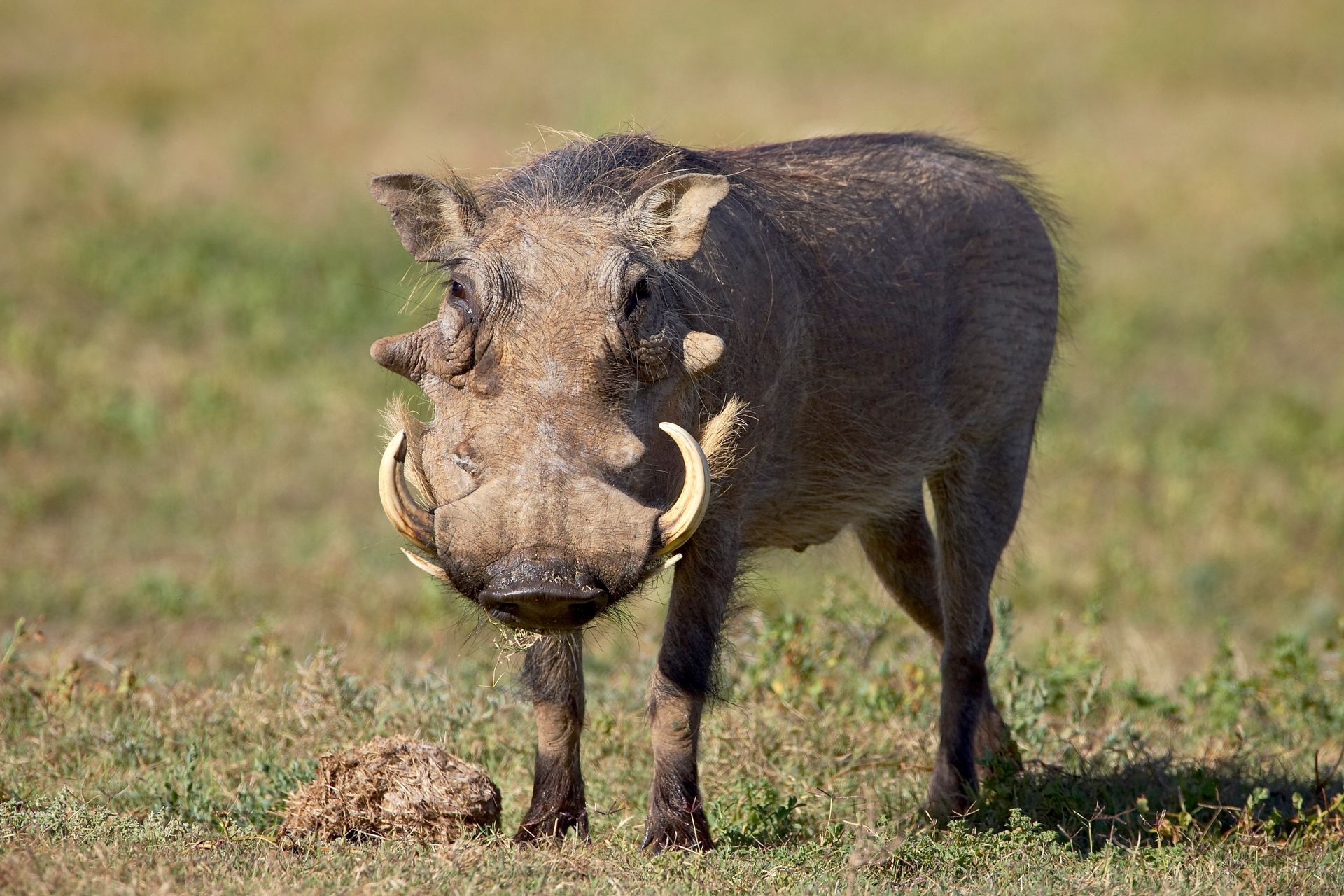
If the wildebeest is apologetic about its appearance, the warthog has never entertained the concept of apology for a single moment of its gloriously unbothered life. It is, by any objective measure, a deeply odd-looking animal. The facial warts, the tusks that seem to have been installed by someone working from the wrong set of instructions, the mane of coarse hair running along its back, the tail that sticks straight up like a tiny, bristly antenna the moment it starts to trot. It is the physical embodiment of the phrase "I didn't come here to be pretty."
And yet. The warthog trots through the African bush with a swagger that most animals with considerably better credentials simply cannot match. It drops to its knees to graze, which gives it a permanently penitent appearance entirely at odds with its actual personality. It reverses into its burrow rear-first so its tusks face outward, which is the kind of tactical thinking that suggests a great deal is happening behind those small, bright, intelligent eyes.
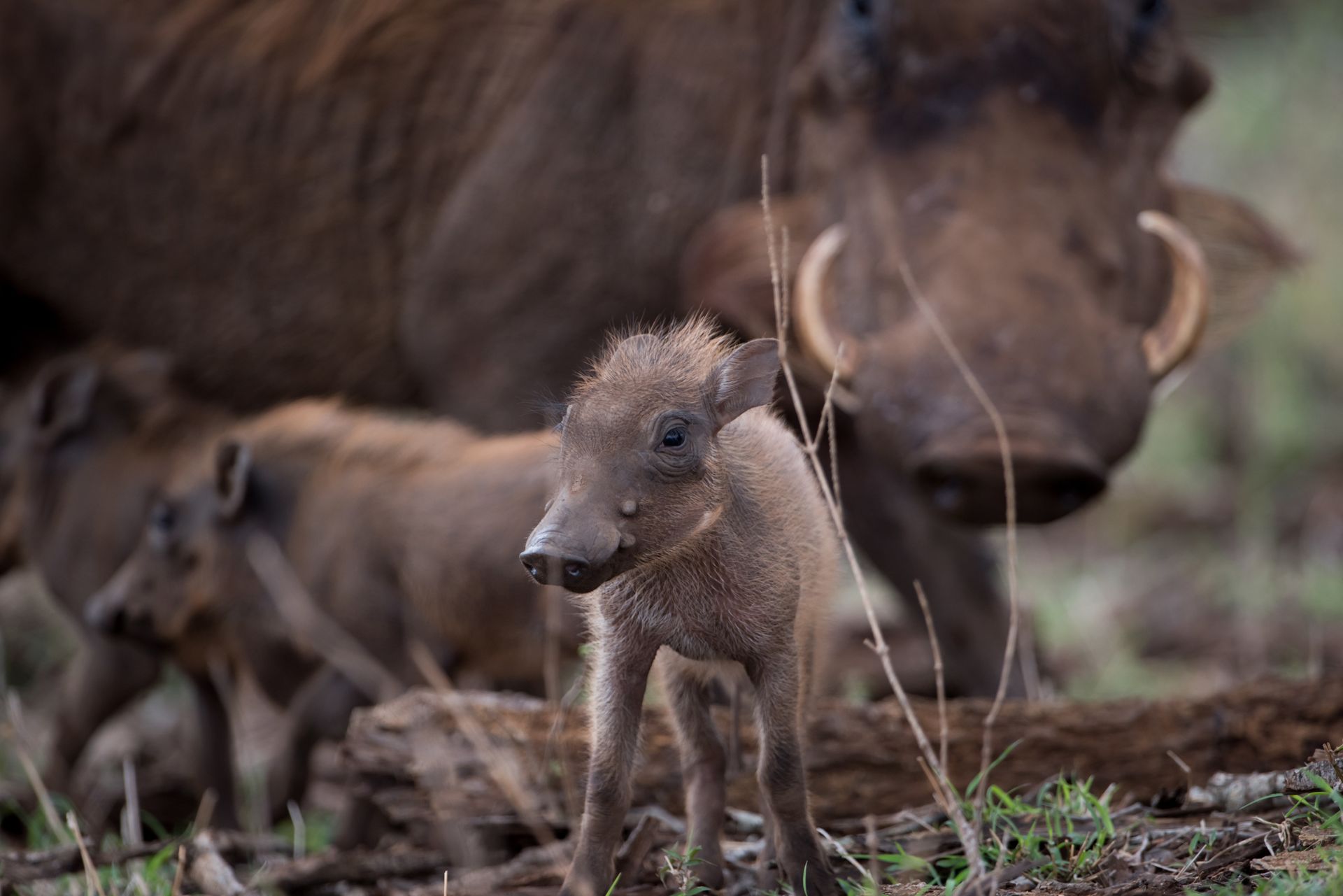
Baby warthogs, it must be noted, are among the most absurdly endearing things the continent produces — tiny, bristly, outraged-looking little creatures trotting in a line behind their mother with their tails straight up like a row of small furry aerials. Even committed aesthetes tend to capitulate entirely in the presence of baby warthogs. The adults had this planned all along.
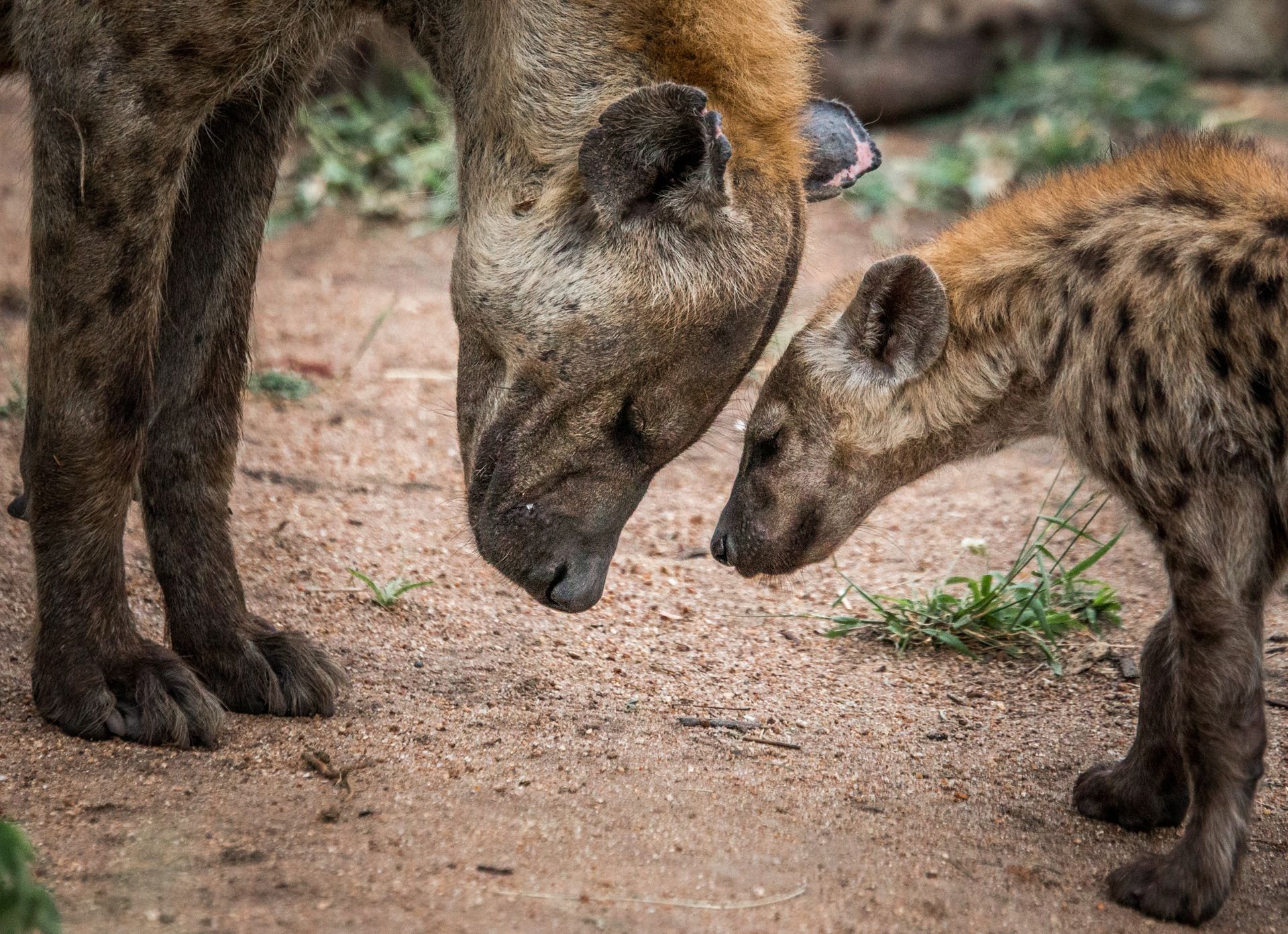
The spotted hyena: much misunderstood
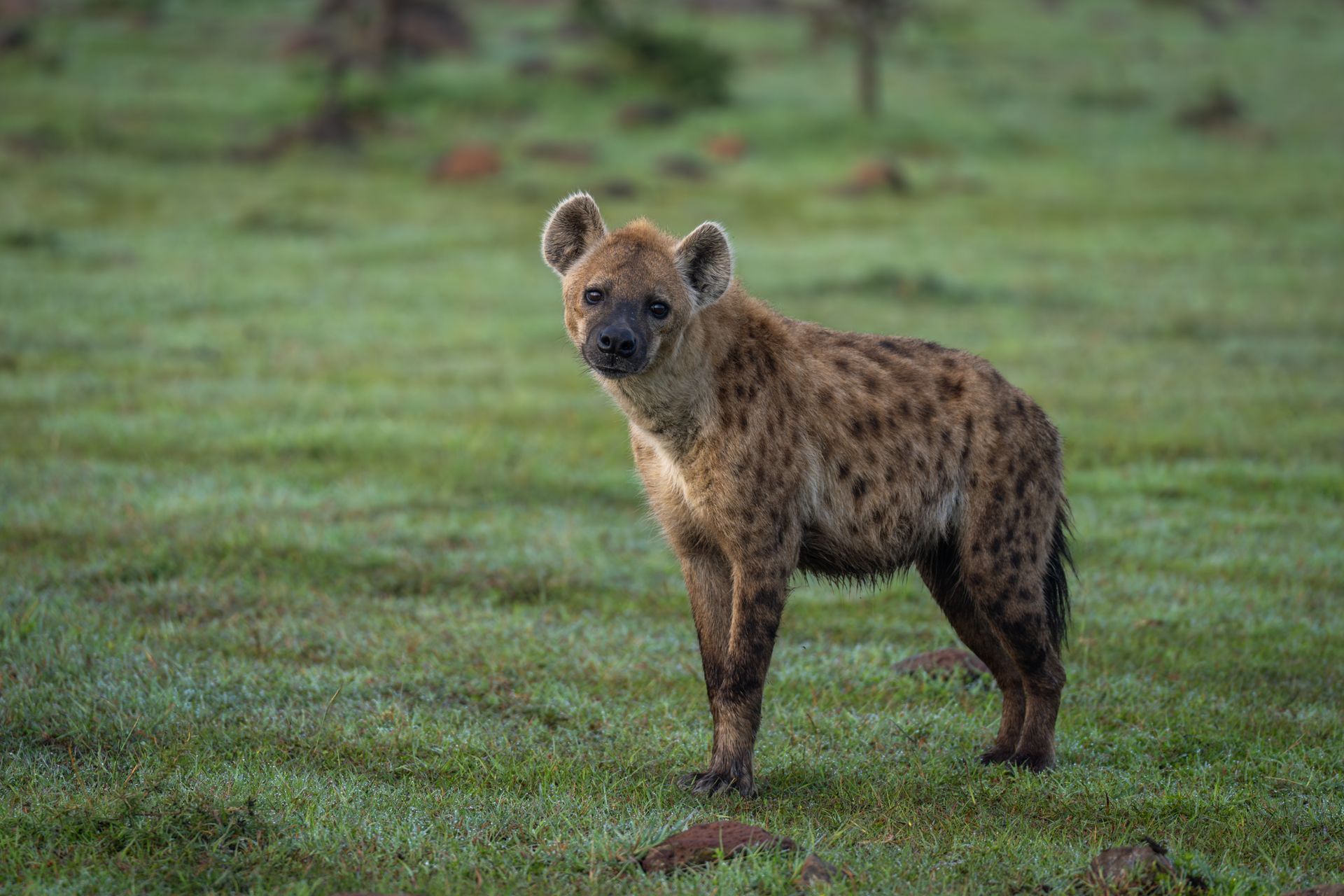
Blame Scar. Blame The Lion King, with its cackling, cowardly, morally bankrupt hyena sidekicks who did more damage to the spotted hyena's public reputation than anything that has actually happened in nature. An entire generation grew up believing hyenas were the villains of the savannah, skulking opportunists feeding off the kills of nobler animals and generally contributing nothing. It is one of the most spectacular miscarriages of natural justice in the history of wildlife storytelling.
The truth is almost exactly the opposite. The spotted hyena is one of Africa's most successful, most sophisticated and most fascinatingly complex predators. Its jaws are among the most powerful of any land mammal, capable of crushing bones that would defeat every other carnivore on the continent, which means it extracts nutrition from a carcass that nothing else can access and performs a sanitation service of considerable ecological importance.
It hunts cooperatively, communicates with a vocabulary of sounds (the famous "laugh" is actually a contact call expressing excitement or submission, not maniacal villainy) and lives in complex, female-dominated social structures called clans that operate with a level of political sophistication that would be genuinely recognisable to anyone who has ever worked in a large organisation.
Females have what's called pseudo penises that would make most men impressed and that render their own males somewhat subdued. Actually elongated clitorises, measuring a respectable 20cm (seven inches) and capable of erection, they do everything through these fake phalluses, including giving birth.
The cubs, it should be said, are absolutely gorgeous. Dark, soft, bright-eyed and curious, they are among the most appealing young animals in the bush. That they grow into animals that look like they've had a very difficult few decades is simply one of nature's more entertaining plot twists.
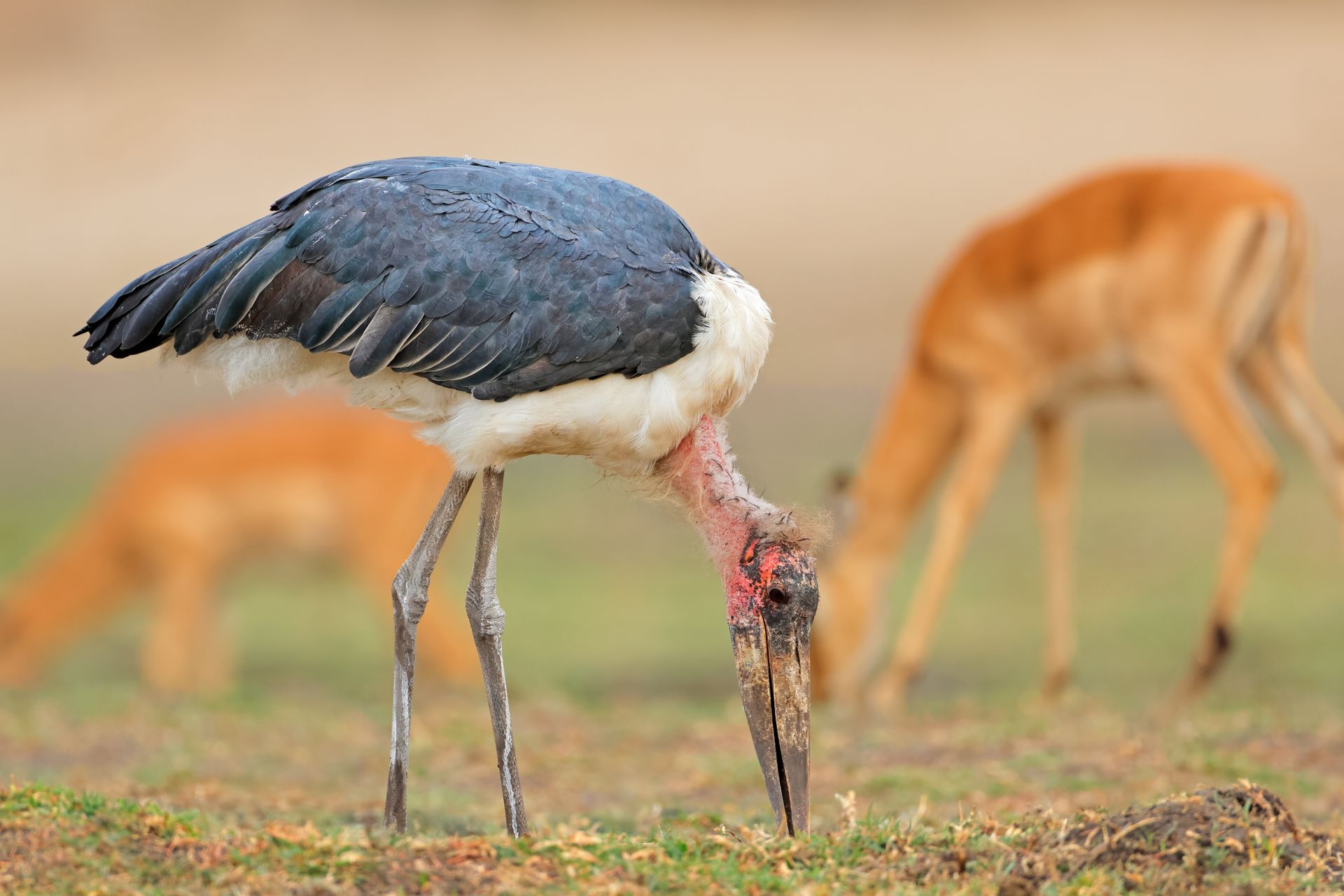
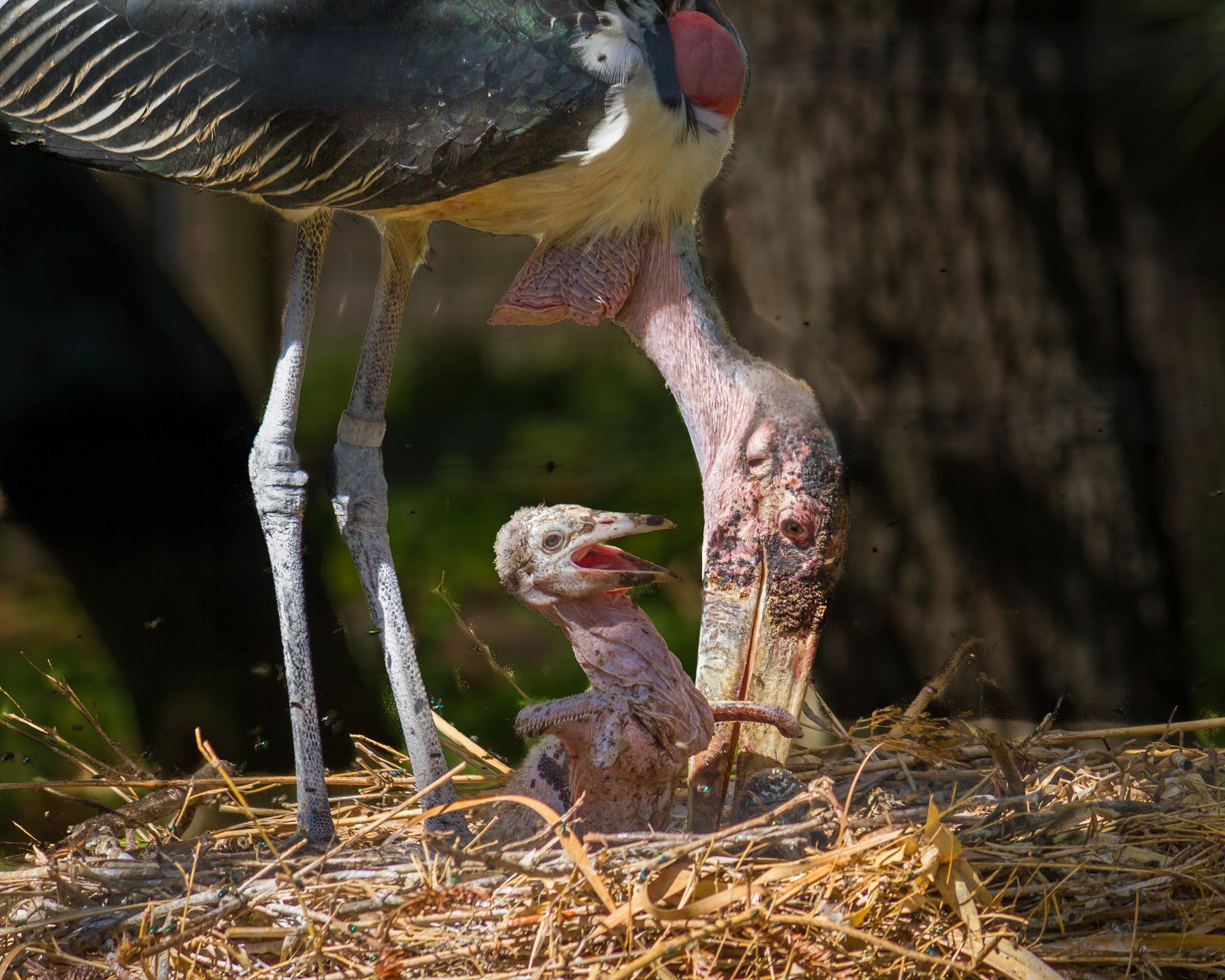
The marabou stork: only a mother could love that face. Possibly.
This is stated with complete affection and zero apology, but the marabou stork is one of the most comprehensively unattractive animals on the African continent. It stands up to 1,52m tall, which means it is eye-level with many of the people who are trying very hard not to recoil from it. It is bald, pink and blotchy on top, which is apparently an adaptation for reaching inside carcasses without getting feathers matted with blood and other things we needn't dwell on.
It has a large, pendulous throat sac called a gular sac whose precise function is still not entirely agreed upon by science, which suggests that even biologists would rather not spend too long looking at it. Its resting expression is one of profound, experienced misanthropy.
Here is where the marabou stork diverges from most of nature's less appealing offerings: it does not improve with youth. The universal law of cute offspring, which grants even the most objectively alarming adult animals a brief window of infant charm, simply does not apply here.
Marabou chicks arrive in the world looking like small, bald, furious undertakers and maintain that aesthetic with absolute consistency throughout their entire lives. There is something almost admirable about this level of commitment to a look.
What the marabou stork is, underneath all of this, is an ecological essential. As a scavenger it performs a cleanup role of vital importance, processing carcasses and waste with a thoroughness and efficiency that keeps the environment considerably healthier than it would otherwise be.
It is, in short, doing an absolutely critical job while looking phenomenally unbothered about what anyone thinks of it. In certain lights, and from certain angles, and perhaps after a generous sundowner, this reads as something approaching nobility.
The lappet-faced vulture: magnificent
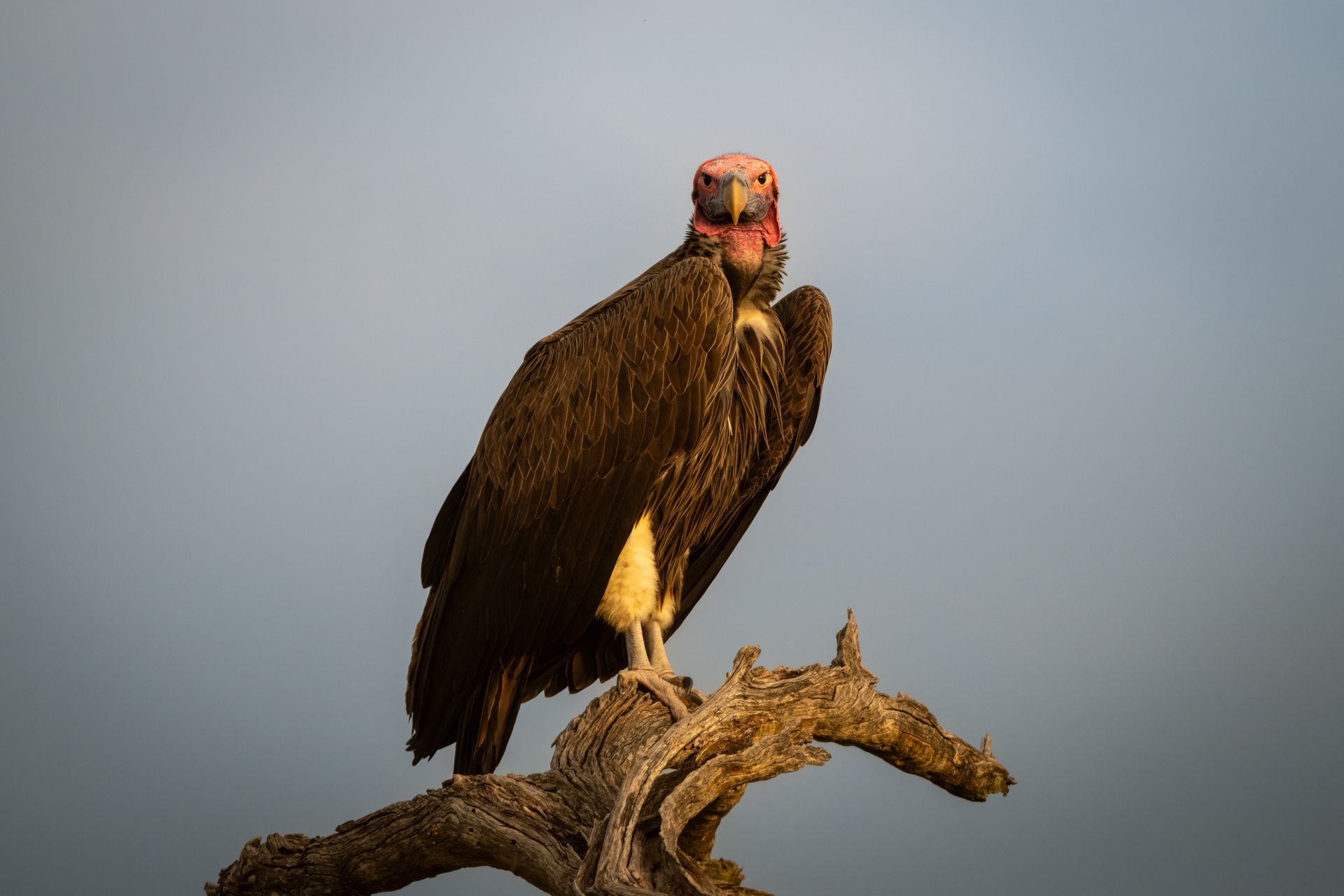
Africa's largest vulture, this bird looks the part in the most confronting way possible. The bare, red, wrinkled facial skin. The powerful, deeply hooked beak. The sheer size of it, with a wingspan that can reach 2.8 metres, casting a shadow over the proceedings that tends to focus the mind. When a lappet-faced vulture arrives at a carcass, everything else moves aside, which is the kind of authority that most animals spend their entire lives failing to project.
It has, it's fair to say, a significant image problem. Centuries of association with death, bad omens and general foreboding have left the vulture collectively and unfairly maligned as a symbol of everything sinister in the natural world. This is deeply, profoundly wrong. The vulture is not a symbol of death. It is a symbol of what happens efficiently and hygienically after death, which is an entirely different and considerably more useful thing.
Without vultures, carcasses would persist in the landscape for dramatically longer, spreading disease and harbouring pathogens with consequences that would affect every other species in the ecosystem. The lappet-faced vulture is, in the most literal sense, keeping Africa healthy.
It is also, and this point is not made nearly often enough, a genuinely spectacular thing to watch in flight. That 2,8m wingspan deployed against an African sky, riding thermals with a lazy, masterful efficiency that makes powered flight look effortful by comparison, is one of the great aerial experiences the bush has to offer. It is magnificent. It just doesn't photograph the way a lilac-breasted roller does, and the safari industry has never quite forgiven it for that.
A closing argument, your honour
Here is what the fuglies have in common, beyond their complicated relationship with conventional beauty standards. They are all, without exception, perfectly and ingeniously designed for the lives they live. They are all ecologically essential in ways that the photogenic headline acts simply aren't. They are all, once you've spent proper time watching them, far more interesting than their reputations suggest. And they are all, in their own magnificently odd ways, completely, irreversibly loveable.
The brochures will keep putting the lions on the cover. That's fine. The lions can handle it. But the next time a warthog trots past your vehicle with its tail in the air, or a marabou stork regards you from across a carcass with the weary authority of someone who has seen everything and remains unimpressed by all of it, take a moment. These are the animals that make Africa work. They deserve considerably more than a polite nod.
Come and see them for yourself. Get in touch with Sian and Cara at Zafaris and let's build you a safari that includes everything Africa has to offer, the beautiful, the bizarre and the brilliantly, magnificently ugly.
Text: Sharon Gilbert-Rivett