
AFRICA'S GREATEST WONDER... IT'S PEOPLE
Meeting the locals is the icing on top of the safari cake
You've booked the flights. You've packed the binoculars and the khaki (good). You've been dreaming of lions and leopards, sundowners and starlit skies. All of which are, without question, utterly fabulous and non-negotiable on any self-respecting Zafaris safari. But here's the thing. Africa is not just a wildlife documentary. It never has been. Long before the first tourist ever trained a camera on a pride of lions lazing in the midday sun, this extraordinary continent was home to some of the most fascinating people on earth — people whose cultures, traditions, languages and ways of living are as breathtaking, in their own right, as anything the bush has to offer. Miss them, and you've only seen half the picture...
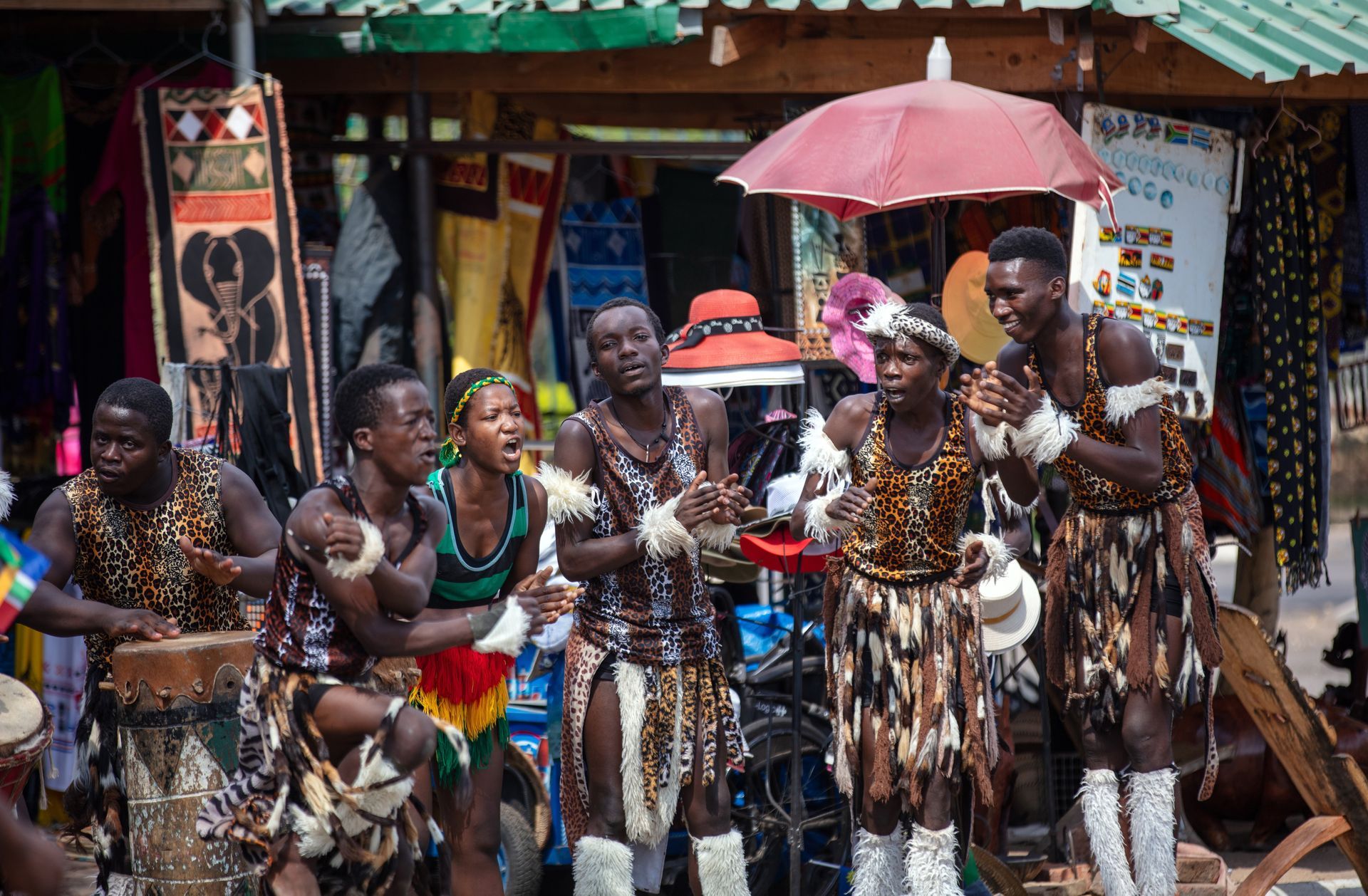
At Zafaris, we believe a truly well-rounded safari is one that opens your eyes to all of Africa's wonders, the wild ones and the human ones. So consider this your introduction to the magnificent, deeply moving, occasionally bonkers and always brilliant world of African cultural encounters.
Ubuntu: the philosophy that changes everything
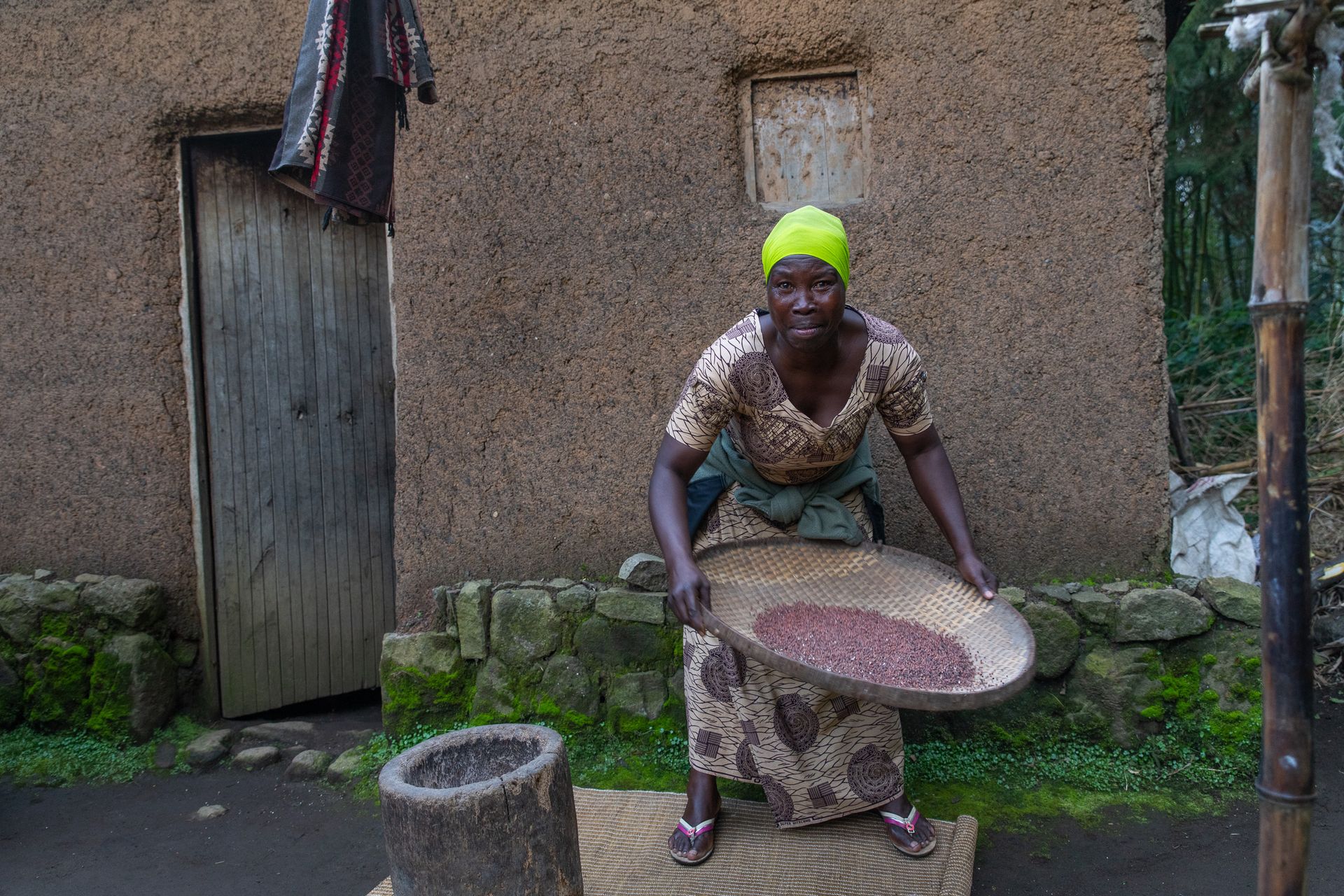
Before we get to the tribes, let's talk about Ubuntu. It's a Nguni Bantu word, Zulu and Xhosa in particular, that translates, roughly, to "I am because we are." It is, at its heart, a philosophy of shared humanity: the idea that a person is a person through other people. That community, generosity and mutual care are not optional extras in life, but the very point of it.
You'll feel Ubuntu the moment you set foot in a traditional African village. In the warmth of a greeting from a complete stranger. In the way food is shared without question, stories told without pretension, laughter offered freely. It is, frankly, rather humbling and rather wonderful. Ubuntu is the invisible thread that connects every cultural encounter on this list. Keep it in mind.
The Maasai of Kenya and Tanzania
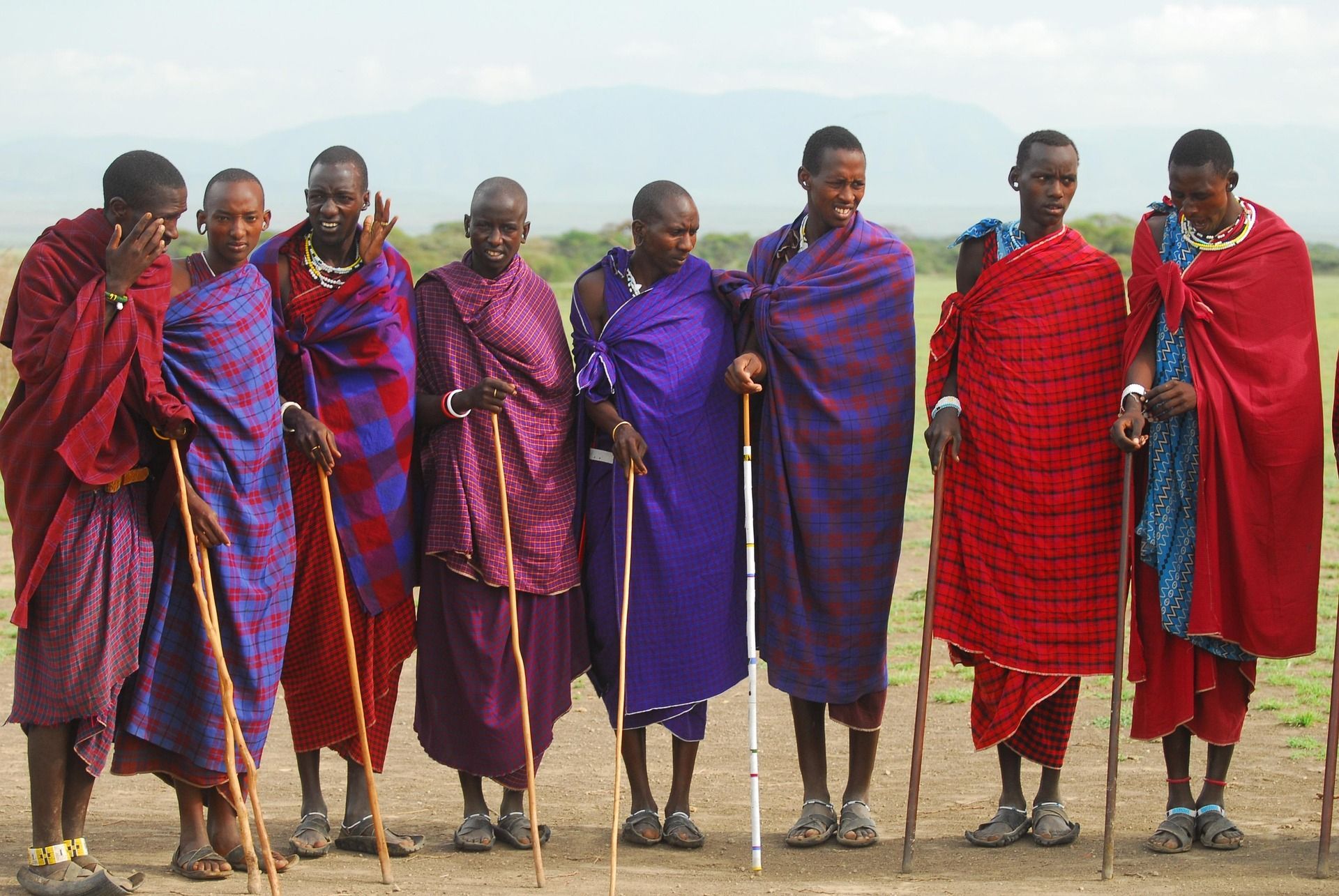
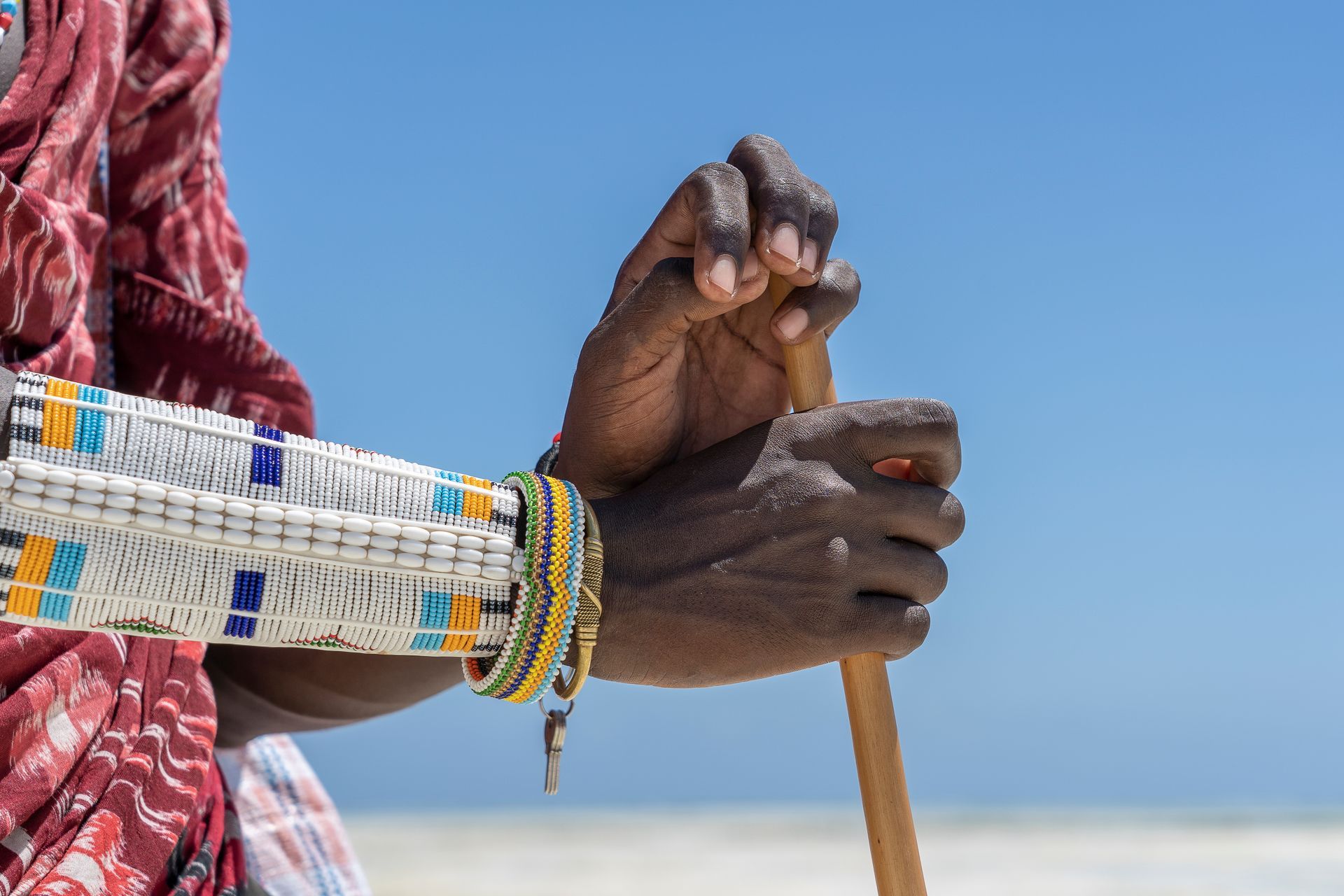
If Africa's cultural landscape had a cover star, the Maasai would have had the gig for centuries. Instantly recognisable in their vivid red shukas (blankets), adorned with beadwork of extraordinary intricacy, and possessed of a regal bearing that makes the rest of us feel like we've been slouching since birth, the Maasai are one of the most iconic peoples on the planet. They are also, as it turns out, wonderful company.
Semi-nomadic pastoralists who have roamed the sweeping savannahs of Kenya and northern Tanzania for centuries, the Maasai have maintained their traditions with a fierce and admirable pride. A visit to a Maasai village, called a manyatta, is a revelation: the jumping dances (adumu) that will make your calf muscles weep with inadequacy; the art of fire-making by hand; the extraordinary beadwork that tells a story of age, status and identity in every colour and pattern.
Crucially, authentic Maasai cultural experiences are now deeply tied to conservation. Many Maasai communities are active custodians of wildlife corridors and critical ecosystems, having transitioned from traditional cattle herding to community led conservation. When you engage with them respectfully, through properly managed and ethically run programmes, you are not just a tourist. You are a participant in something that genuinely matters.
The San people of southern Africa
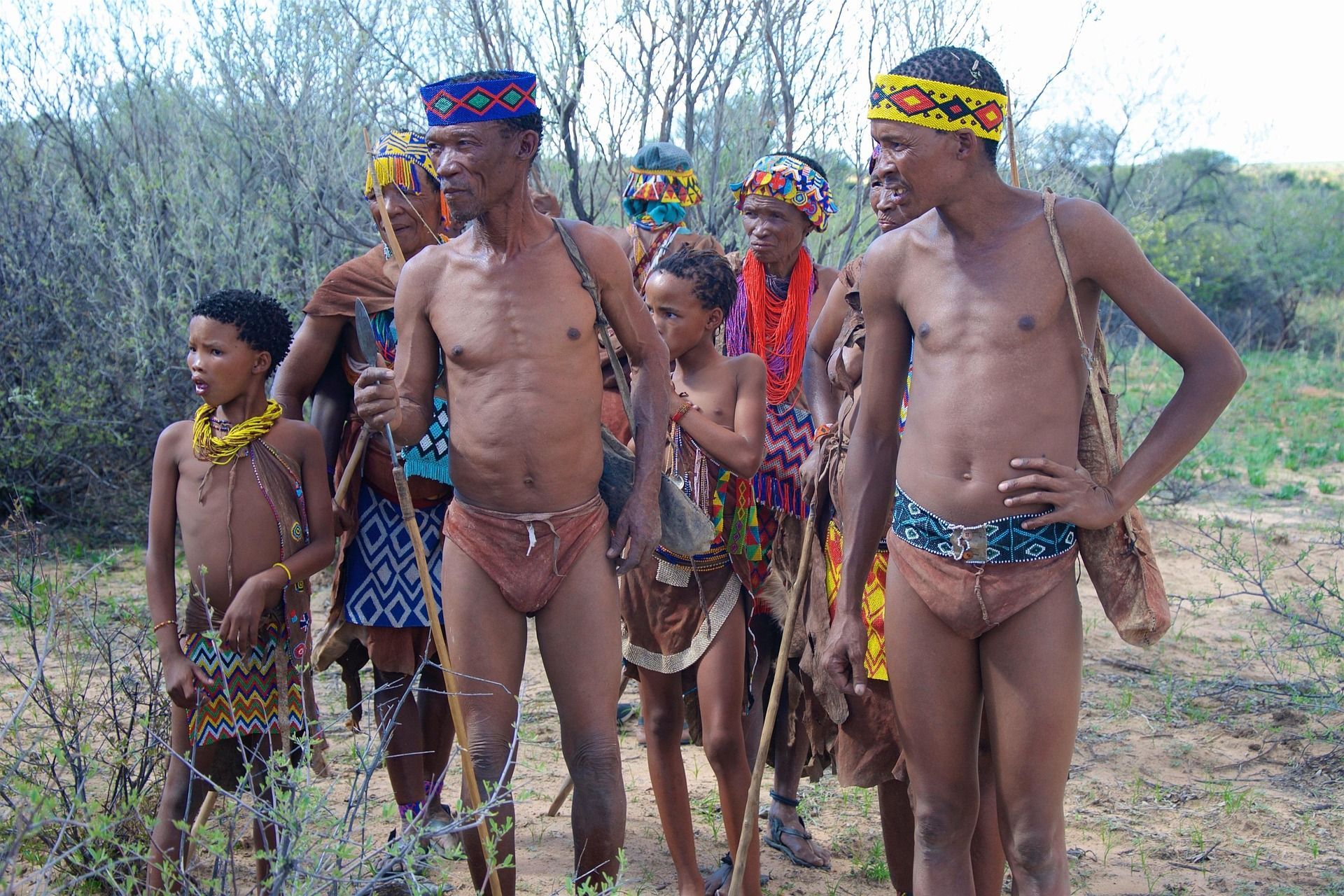
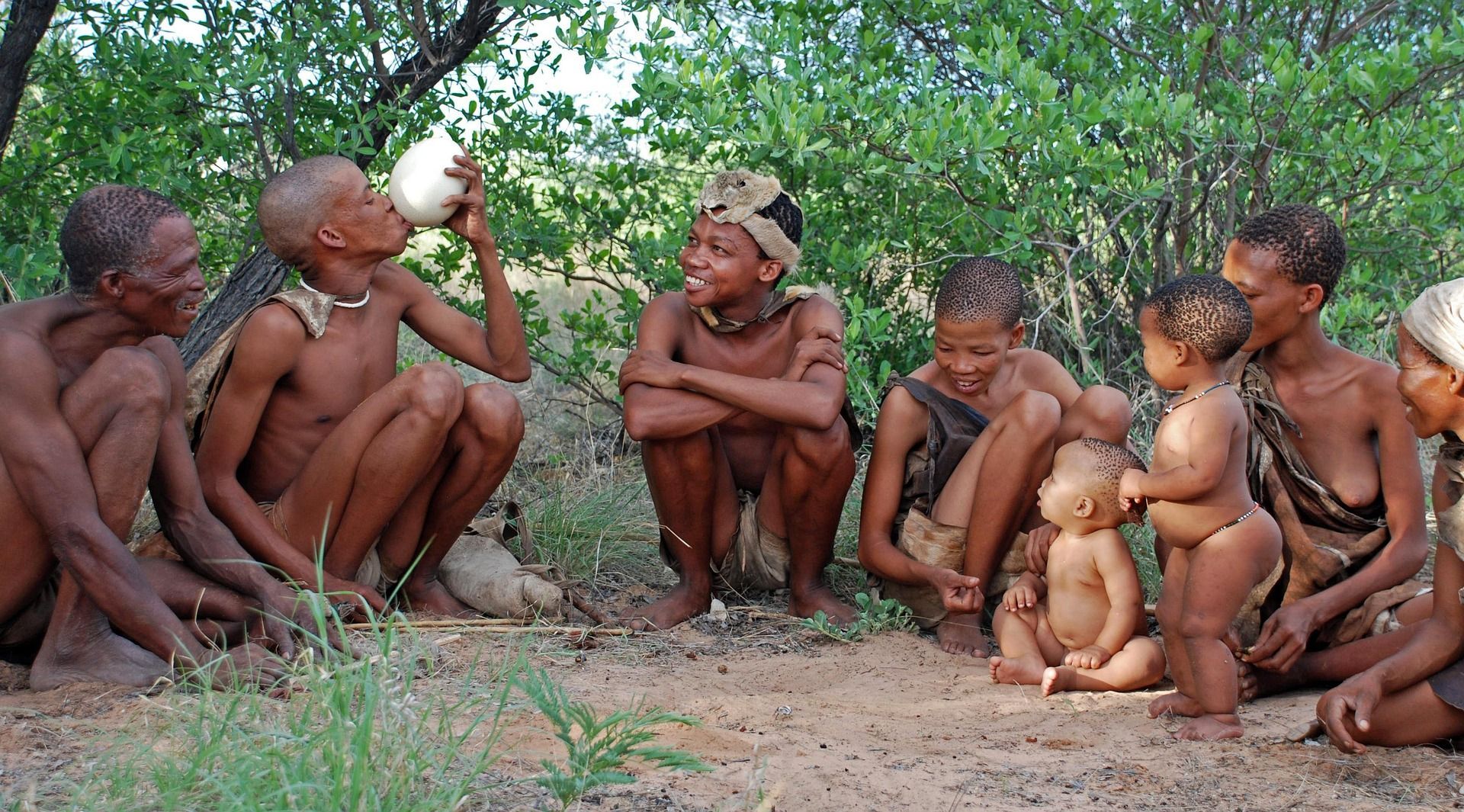
The San are also known also as the Bushmen and are widely regarded as one of the oldest indigenous peoples on earth. Genetic and archaeological evidence suggests they have lived in southern Africa for at least 70,000 years. Let that settle for a moment. Seventy. Thousand. Years.
The San's relationship with the land is unlike anything you will encounter elsewhere. Their knowledge of the Kalahari, its plants, animals, and water sources hidden in impossible places, is nothing short of miraculous. To walk with San trackers across the red sands of Botswana's Central Kalahari Game Reserve is to realise, with some humility, that the wilderness you thought you were looking at is in fact a library, and you have been entirely illiterate until now.
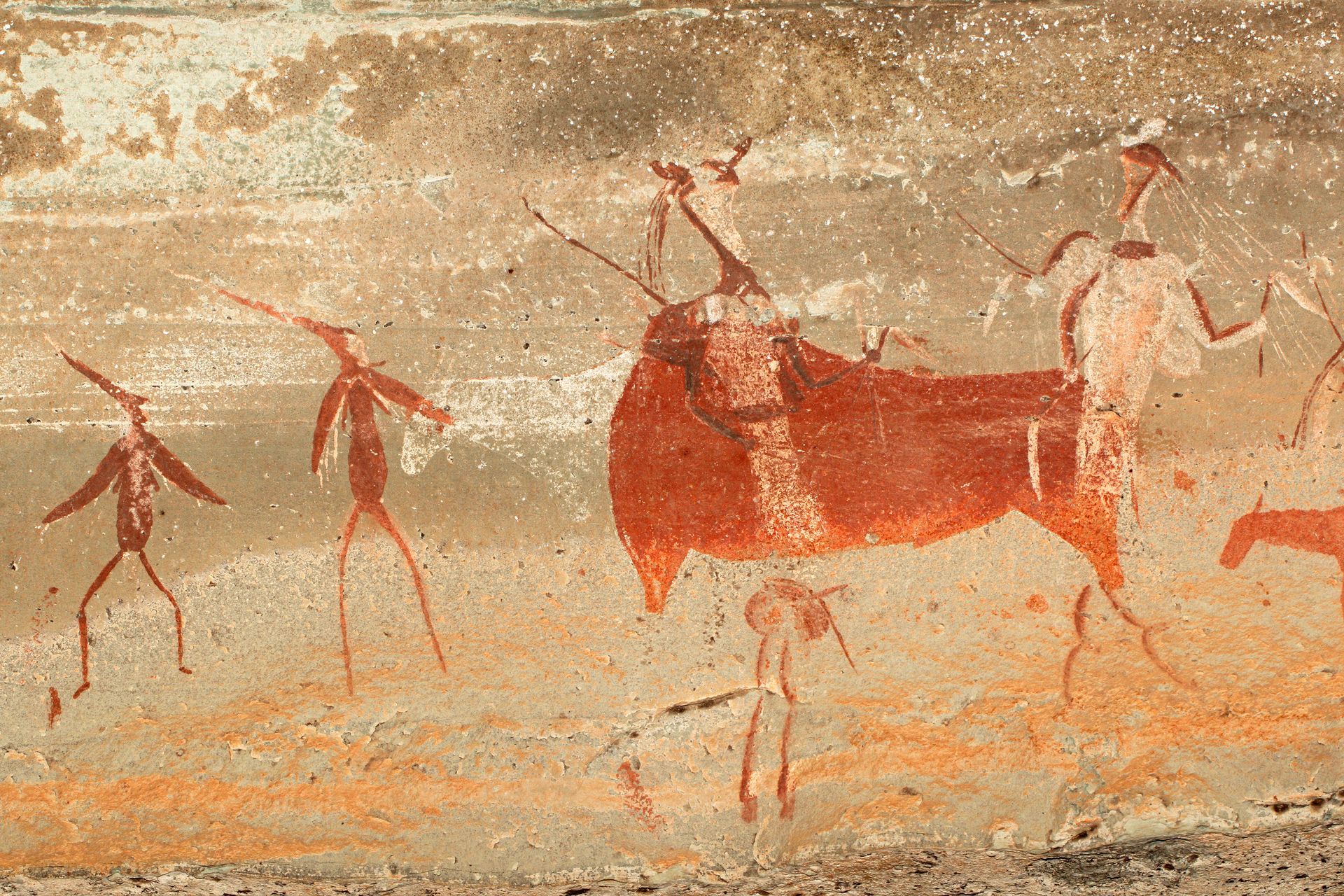
San rock art, found across the caves and overhangs of southern Africa, is a window into a spiritual world of extraordinary richness and complexity. It's a tradition of visual storytelling that pre-dates written language by millennia. Spend an hour with a knowledgeable guide at a San rock art site and you will leave a different person.
The Himba of Namibia
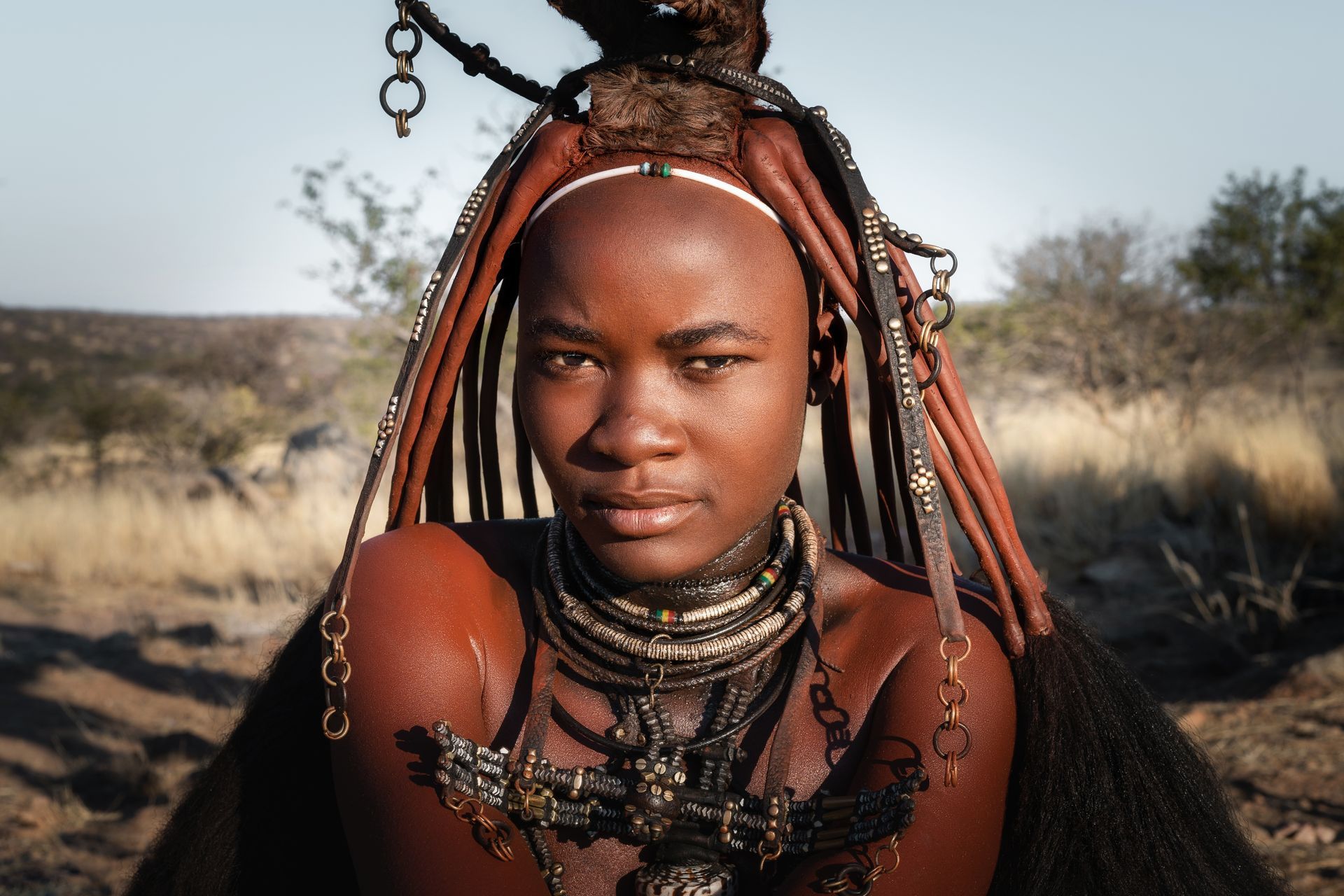
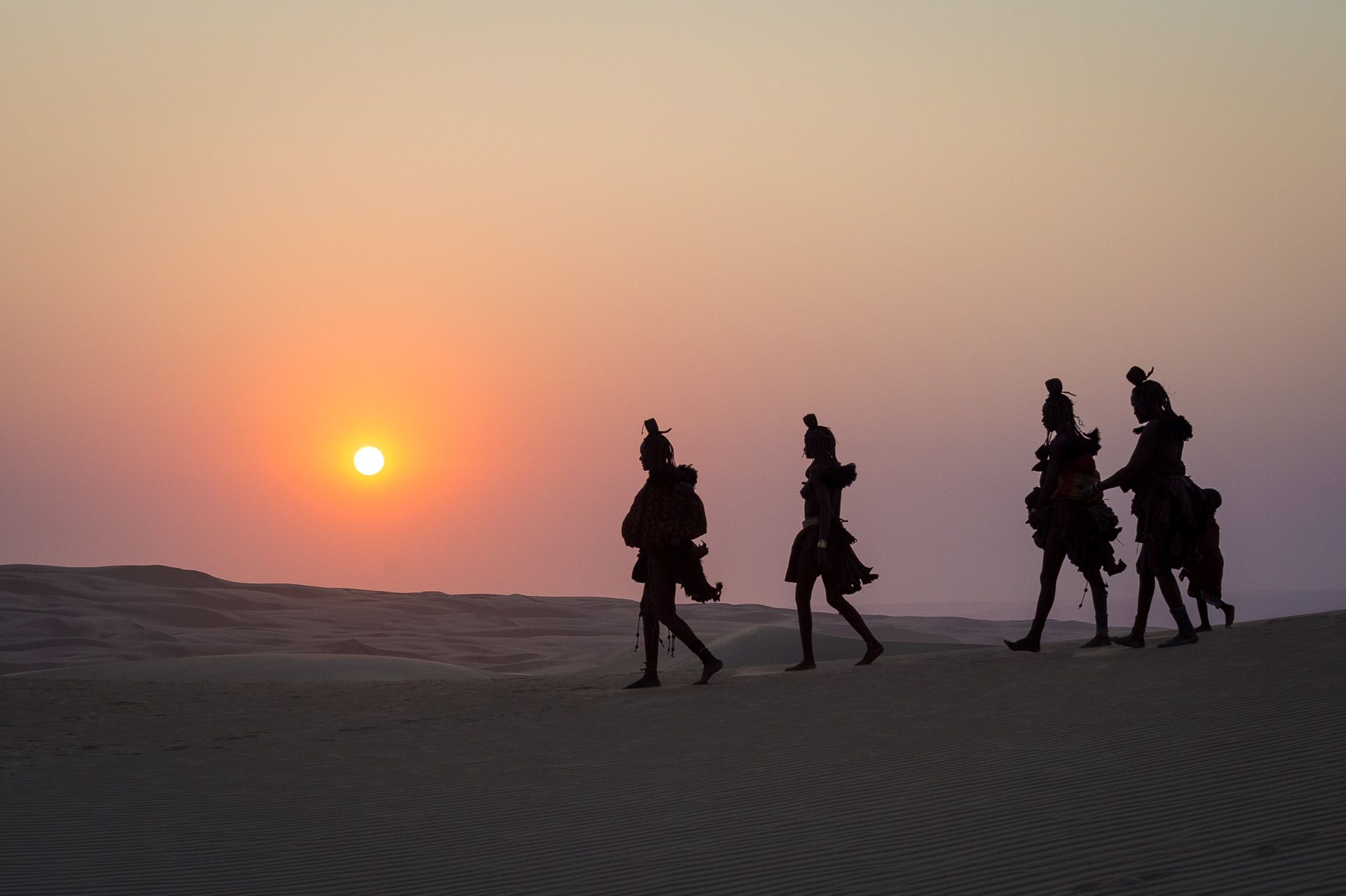
Few encounters in Africa are as visually arresting or as quietly profound as meeting the Himba people of Namibia's remote Kunene region. Semi-nomadic pastoralists like the Maasai, the Himba have resisted the homogenising pull of the modern world with remarkable determination, and their culture remains vibrant, living and magnificently itself.
Himba women are renowned for coating their skin and hair in otjize, a mixture of butterfat and ochre that gives them their distinctive reddish hue and protects them from the fierce Namibian sun. It is at once practical and beautiful, ancient and utterly contemporary in its confidence. The Himba do not need your opinion on their skincare routine.
Their villages are intimate, their welcome genuine. A responsible visit offers insight into a way of life that is both deeply foreign to the average international traveller and deeply human in all the ways that count.
The Zulu of South Africa
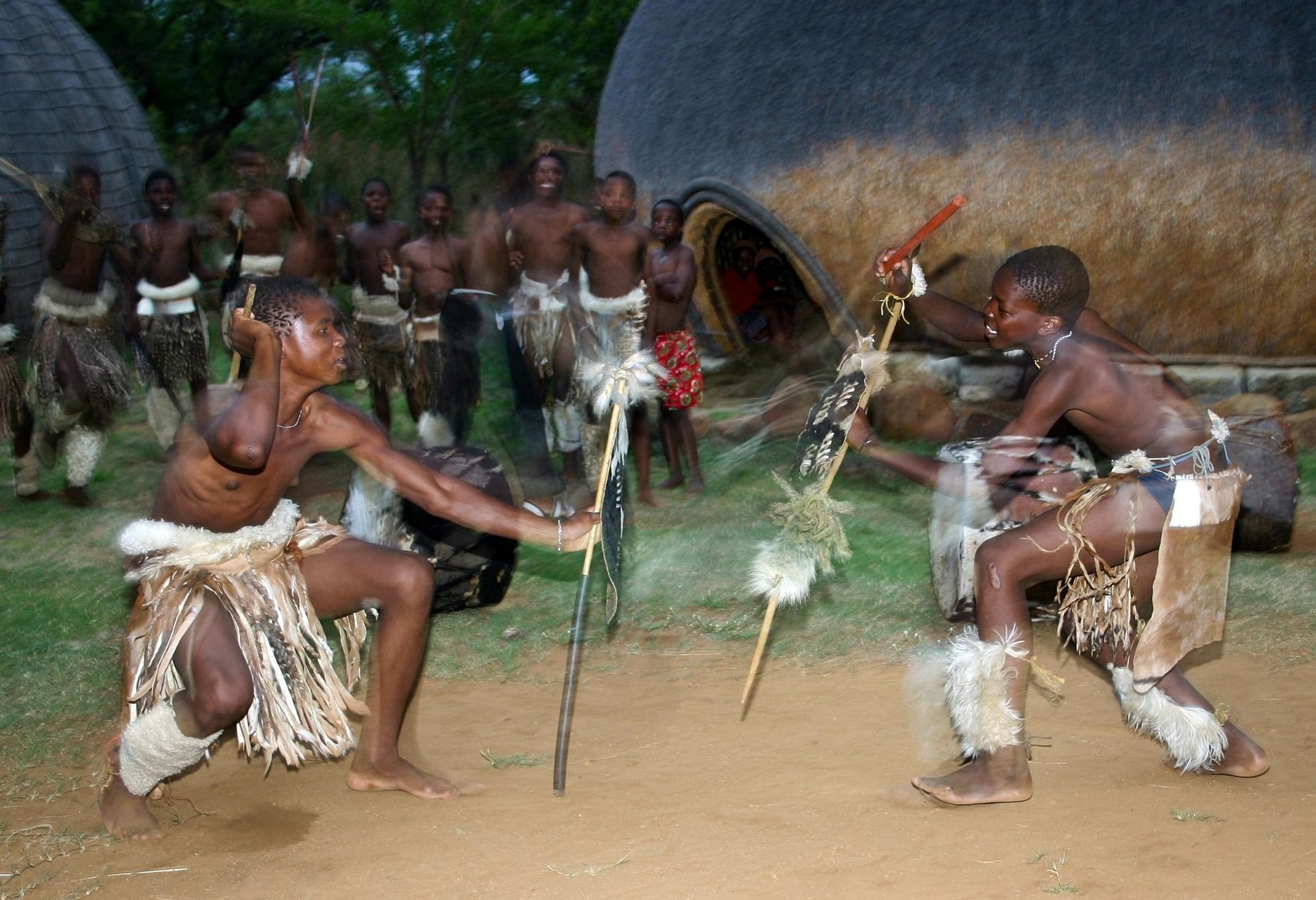
The Zulu nation is, to put it mildly, a force of nature. With a history that encompasses military genius (the legendary Shaka Zulu remains one of history's most fascinating military strategists), extraordinary artistic tradition and a cultural resilience that survived colonialism, apartheid and modernity, the Zulu people of South Africa's KwaZulu-Natal are a living testament to the strength of cultural identity.
A visit to a traditional Zulu village offers encounters with beadwork of kaleidoscopic beauty, traditional homesteads (umuzi) that are engineering as much as architecture, and the kind of warmth and storytelling that makes you wish you'd brought a bigger notebook. Zulu cuisine, incidentally, is not to be overlooked. Umngqusho is a hearty samp and bean dish and amasi (fermented milk) are the kinds of flavours that make your stomach feel like it has finally come home.
The Batwa of Rwanda and Uganda
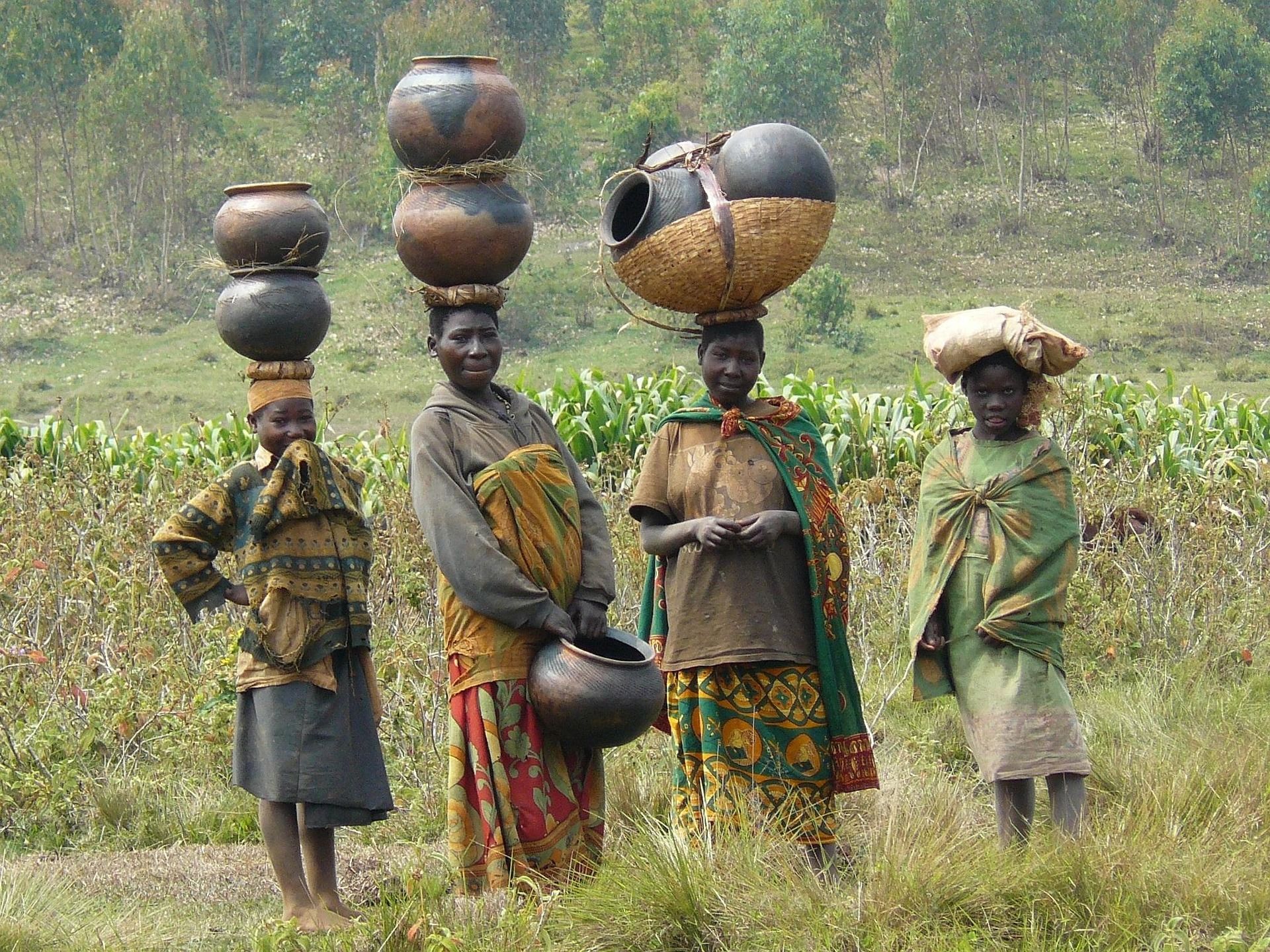
The Batwa, sometimes called the Twa, are the original inhabitants of the montane forests of Rwanda and Uganda, a hunter-gatherer people whose way of life was intimately bound to the forests they called home.
The establishment of national parks in the 20th century displaced many Batwa communities from their ancestral lands, and their story is, in part, a story of significant loss. It is also a story of remarkable resilience and cultural survival.
Today, responsible cultural experiences with Batwa communities, particularly around Bwindi Impenetrable Forest in Uganda and the Virunga region of Rwanda, form an important part of community-led conservation and tourism.
Batwa guides share their extraordinary knowledge of forest ecology and traditional medicine with visitors; Batwa cultural performances offer glimpses of a way of life that stretches back thousands of years. Revenue from these experiences goes directly to Batwa communities, supporting education, healthcare and cultural preservation. Visiting the gorillas without meeting the Batwa is, we would argue, like going to the theatre and only watching the interval.
The golden rule: how to do it properly
Meeting Africa's people is wonderful when done the right way. The sad fact is that every encounter with African culture can also be done badly, and doing it badly helps no one. At Zafaris, we are absolutely uncompromising about making sure all community visits and cultural experiences are 100% authentic and directly benefit the people you are interacting with.
Ethical, authentic cultural engagement means visiting communities through properly established programmes that put local people in control of their own narratives and their own tourism income. It means listening more than photographing, asking before assuming, and leaving your preconceptions firmly at home. It means understanding that you are a guest , an enormously privileged one at that, and conducting yourself accordingly.
It most emphatically does not mean turning up unannounced, thrusting cameras in people's faces, distributing sweets to children (please, never do this) or treating a living community as a human zoo. Or, even worse, indulging in poverty porn. That sort of tourism is not authentic. It is not ethical. And it is not something Zafaris will ever put its name to.
What we will put our name to is the kind of encounter that leaves both parties richer, not just the traveller, but the community too. The kind that generates income, builds pride, preserves tradition and creates the connections that make conservation of both culture and wilderness possible in the long term.
So, are you ready to meet Africa properly?
The wildlife is extraordinary. The landscapes are jaw-dropping. The lodges are, if we've done our job properly, the stuff of serious hotel envy. But the people? The people are the soul of it all.
Africa's cultural wealth is as vast, as varied and as staggeringly beautiful as its wilderness. Come and experience both. Come and understand why Ubuntu is not just a word, but a way of seeing the world. We're waiting, as always, to make it happen.
Get in touch with Sian and Cara at Zafaris and let's start building your safari — wildlife, wilderness and all the extraordinary human stories in between.
Text: Sharon Gilbert-Rivett