
ALL THE COLOURS OF THE RAINBOW
Our guide to LGBTQ+ travel in Africa
Let’s get something straight from the start. Safari is not beige. It’s not polite, predictable, or neatly wrapped in a bow. It’s messy and exhilarating and occasionally ridiculous. It messes up your hair, ruins your sleep schedule, and somehow resets your entire brain in the best possible way. One minute you’re sipping a G&T in the middle of nowhere, the next you’re wondering how on earth this much beauty fits into one horizon. It’s big feelings, big landscapes, big laughs. It’s freedom, basically. But...
We still need to have an honest conversation about who gets to feel that freedom without a second thought, and who sometimes has to plan a little more carefully.
Here's the grown-up truth. Africa is not one story. It’s more than 50 countries, hundreds of cultures, wildly different laws, and a social landscape that ranges from proudly progressive to deeply conservative. For LGBTQ+ travellers, that means the experience can be anything from completely carefree to quietly complicated. So this isn’t a fluffy “isn’t everything fabulous” piece. It’s clarity with a side of sass. The magic and the reality, served together like a proper safari yin and yang.
Let’s start with the good stuff, because there’s plenty.
South Africa is the gold standard. Legal marriage equality, constitutional protections, and a tourism industry that simply gets on with it. You’re not labelled or side eyed or treated like a special case. You’re just a guest. A couple is a couple. A honeymoon is a honeymoon. End of story. Add world class wildlife, design led lodges, and cities that know how to have a good time, and it’s an easy yes.
Then there are the pleasant surprises. Rwanda, where same sex relationships are not criminalised and where the hospitality scene is warm, polished, and refreshingly unfussy. Mauritius has stepped confidently into the modern world with decriminalisation and clear protections, pairing legal progress with laid back island glamour. Namibia has also decriminalised consensual same sex relationships and offers something quieter but equally appealing, all space and silence and desert drama, with a low key, respectful vibe rather than anything performative.
And Botswana. Oh Botswana. The show off.
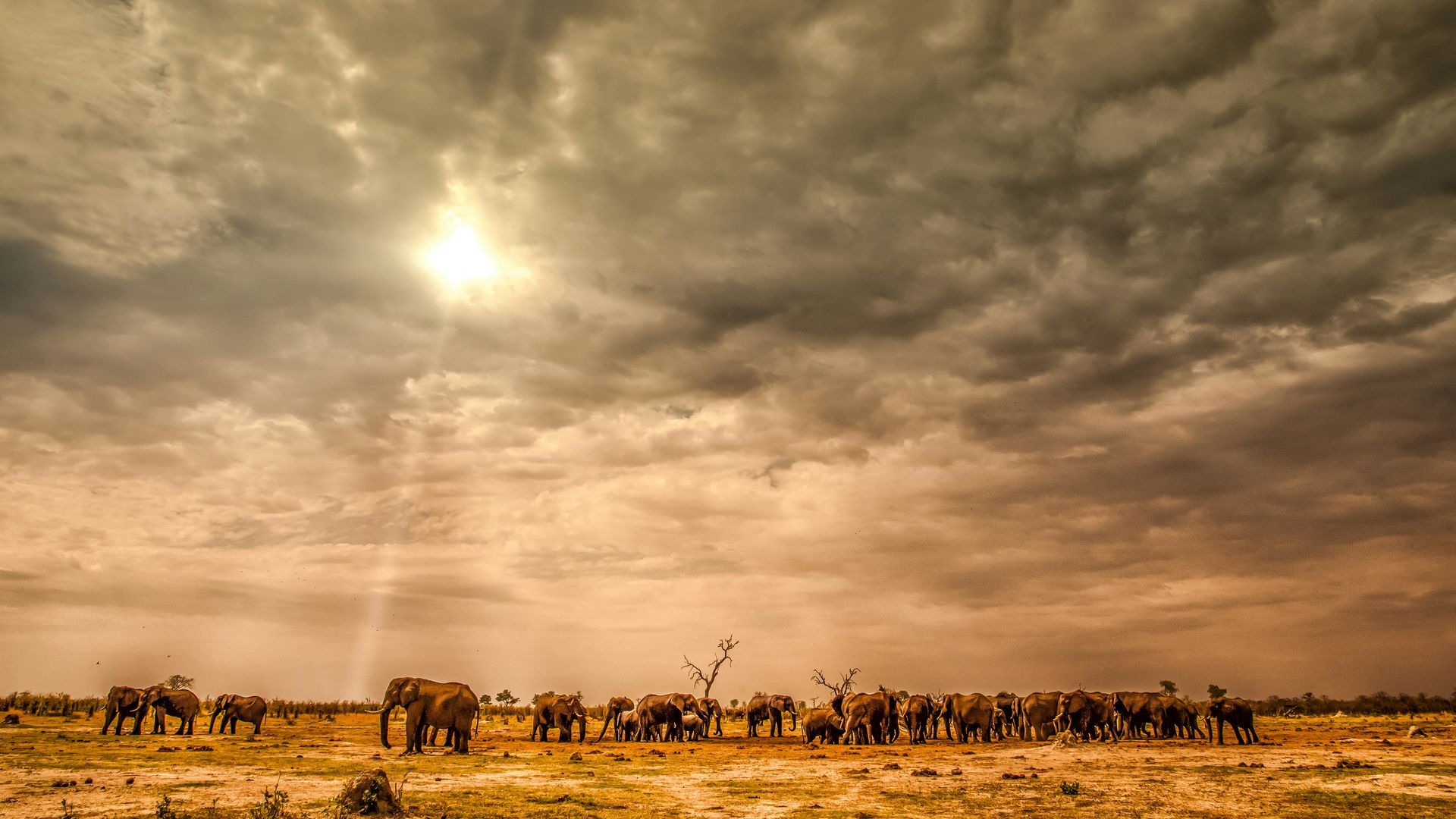
This is the place that makes people forget how to form sentences. Water everywhere. Wildlife everywhere. Skies that seem to go on forever. It’s so outrageously beautiful it feels like it’s trying to flirt with you. Botswana decriminalised homosexuality years ago and its safari industry leans heavily into small camps, private concessions, and deeply personal service, which means discretion and professionalism are baked in. You’re left alone to just be yourselves and get on with having the time of your life.
These places prove the point. An affirming, joyful, totally relaxed African safari is not only possible, it’s easy when you choose wisely.
But we’re not going to pretend there aren’t complications elsewhere, because that would be lazy and, frankly, unfair.
Several African countries still criminalise same sex relationships, and some of them sit firmly on the safari map. Kenya, Tanzania and Zambia all retain colonial era laws that technically outlaw same sex activity. Enforcement is inconsistent and many travellers report smooth, issue free experiences within lodges and private reserves, but the laws do exist, and discretion outside those spaces is simply sensible.
Then there are places where the climate is significantly harsher. Uganda has introduced some of the strictest anti LGBTQ+ legislation in the world, with severe penalties and a deeply hostile environment that has drawn global condemnation. In parts of West and Central Africa, including countries such as Senegal and Mali, prison sentences are still written into law. In these destinations, the risk is not just social awkwardness. It can be legal trouble or genuine safety concerns.
Those aren’t dramatic headlines. They’re realities. And ignoring them doesn’t make you brave. It just makes you underprepared.
Here’s where context matters though. Safari travel is its own ecosystem. You’re not wandering city streets at midnight or navigating unfamiliar nightlife scenes. You’re usually in private reserves, remote camps, and tightly run lodge environments that operate to international hospitality standards. In other words, you’re in a professional bubble.
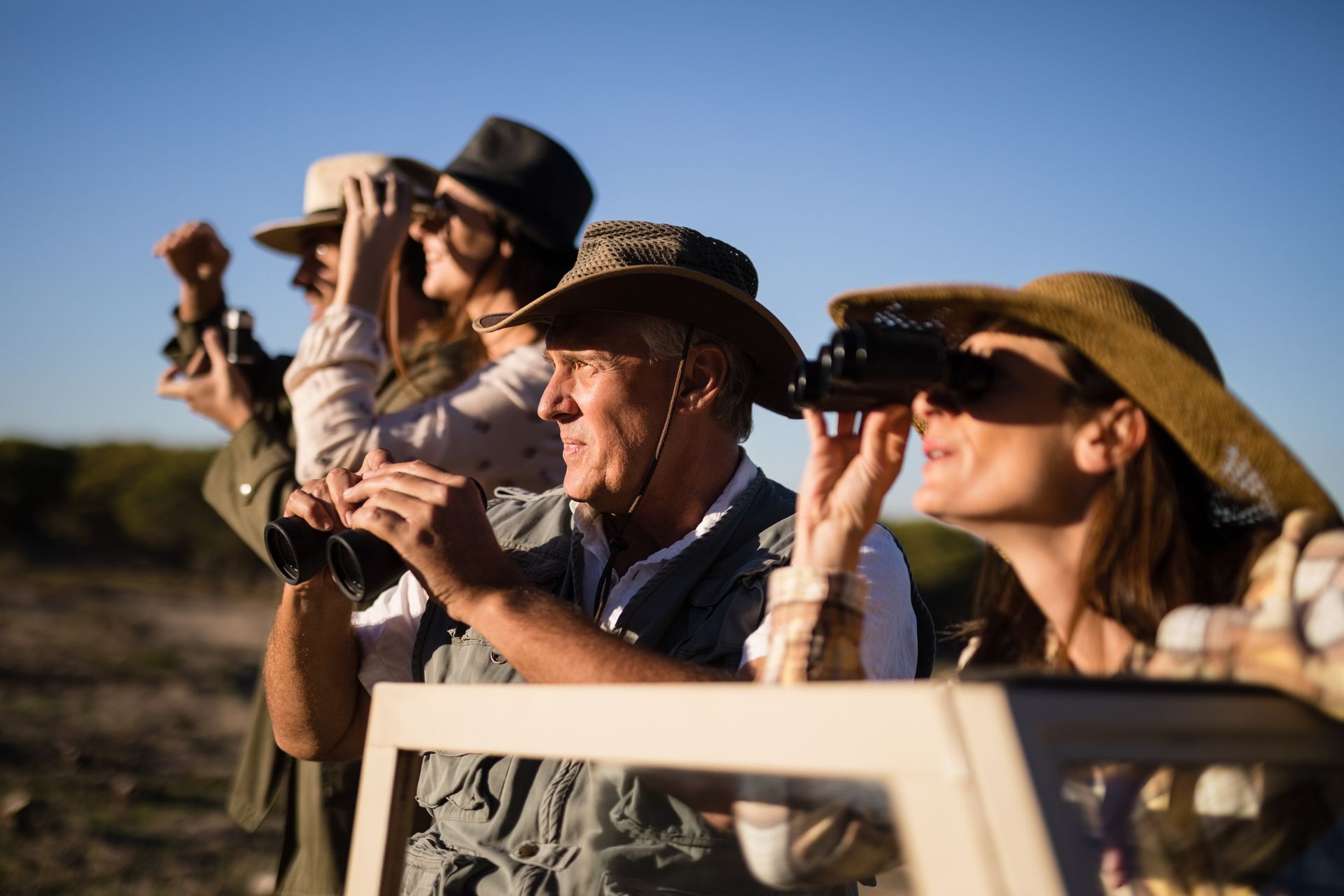
Great safari lodges host guests from all over the world. Engagements happen. Anniversaries happen. Grand romantic gestures happen. Staff are trained to deliver exceptional service, not personal commentary. For many LGBTQ+ travellers, those spaces feel wonderfully neutral, comfortable, and entirely normal. Exactly as it should be.
That said, smart travel is still smart travel. Outside those lodge environments, it pays to understand local customs and laws and to adjust behaviour accordingly. Not because you should have to shrink yourselves, but because awareness keeps things smooth and stress free. The goal is joy, not drama. Think savvy, not secretive.
And once the logistics are handled, the rest is what safari does best. It strips away the noise. No algorithms, no opinions, no nonsense. Just you, the people you love, and an enormous, beautiful world doing its thing. There’s something deliciously equalising about that. Out there, nobody cares who you are or who you’re holding hands with. You’re just another human being having a moment, laughing too loudly at dinner, swapping stories with your guide, falling asleep tired and happy and slightly dusty.
Which, frankly, is how travel should feel for everyone.
So here’s the Zafaris take. Do your homework. Pick destinations that align with your comfort levels. Work with planners who actually understand the legal and cultural terrain, not just the pretty photos. Choose places that treat you with the respect you deserve.
Then go. Go wildly. Go joyfully. Go claim your bit of Africa like it was always meant for you.
Because safari is about connection and wonder and those ridiculous, life affirming moments that make you say “how is this real?” And love, in every colour imaginable, absolutely belongs in that picture.
Text: Sharon Gilbert-Rivett