
WHAT NOBODY TELLS YOU BEFORE YOUR FIRST SAFARI
The things the brochures leave out and we're delighted to share
There's a particular type of travel content that exists in the safari world. It features luminous sunsets, impeccably dressed couples clutching sundowners, and lions doing photogenic things at the exact right moment. It is, in a word, lying. Not maliciously. Just selectively. The way an estate agent describes a garden flat as "cosy" when they mean you'll need to fold yourself in half to use the bathroom.

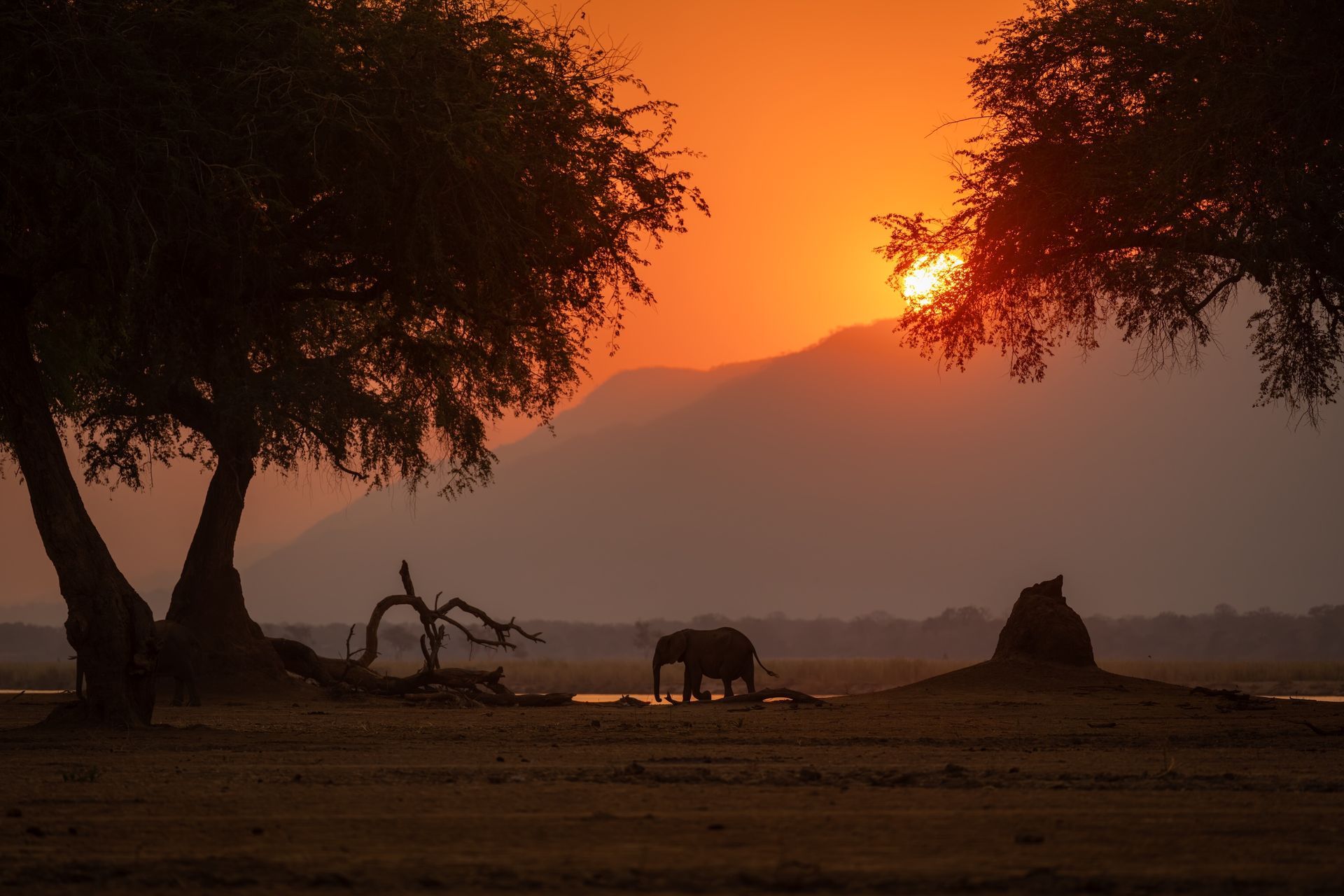
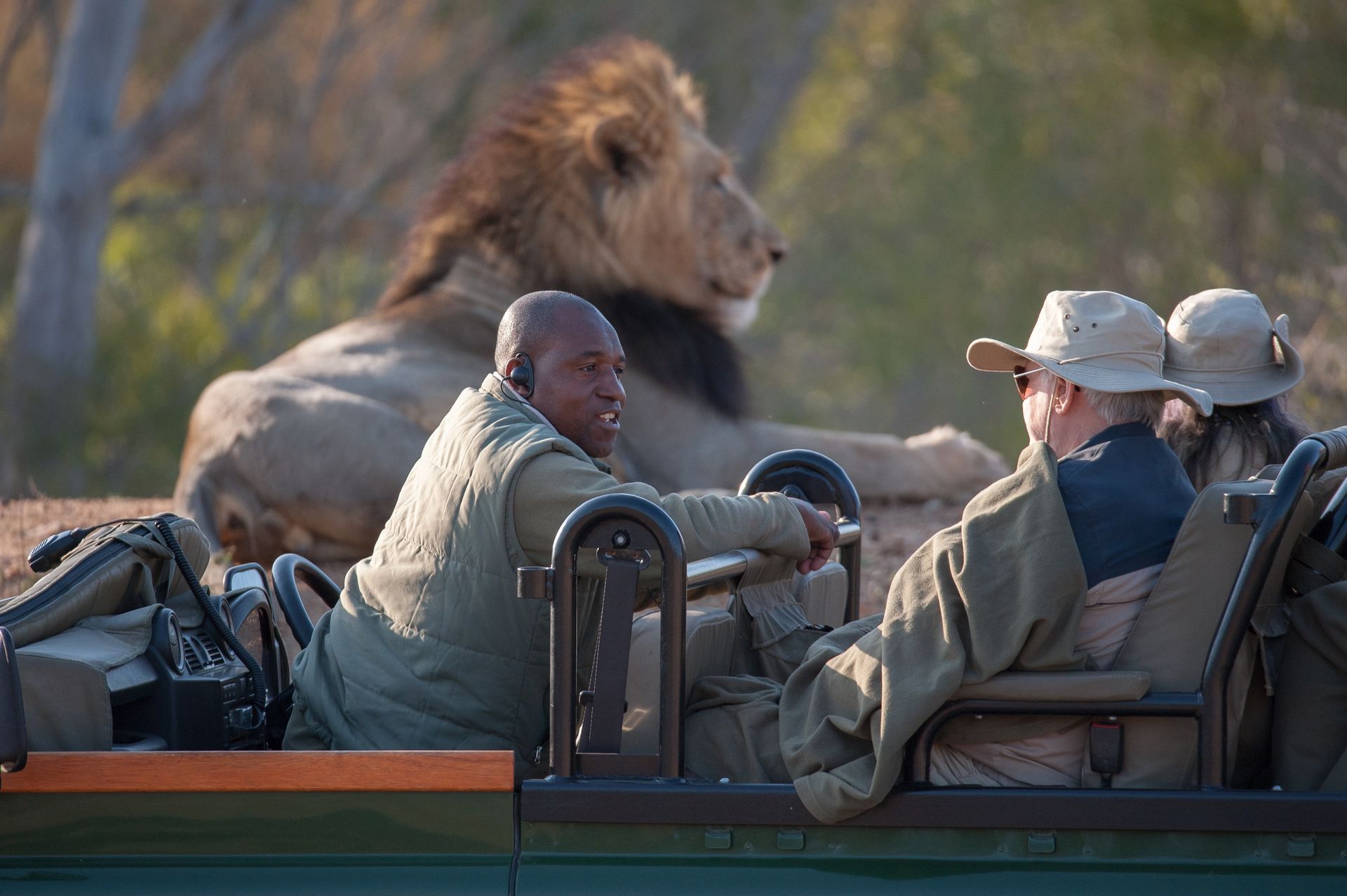
At Zafaris, we think you deserve better than that. So consider this your honest pre-departure briefing. It's the stuff we'd tell you over a glass of wine that somehow never makes it into the official literature...
The 4am wake-up call is not a suggestion
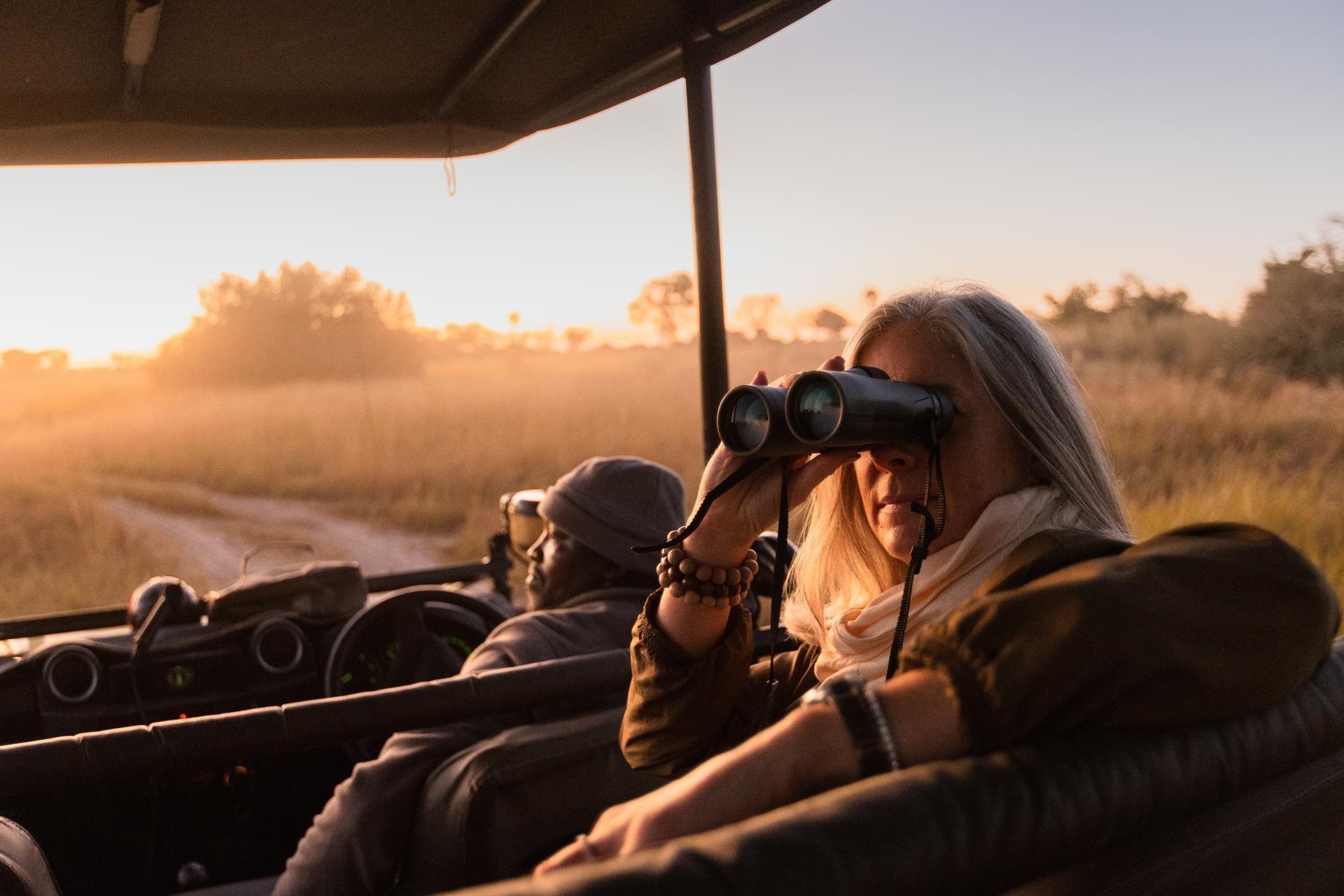
Your first morning game drive departs at an hour that most people associate with coming home rather than heading out. When that "knock knock" comes to your door or that cellphone chime drags you out of la la land, your brain will briefly consider mutiny. It will suggest, with considerable persuasion, that the lions will still be there at a more reasonable hour and that whoever invented the pre-dawn game drive had deeply questionable values. Ignore your brain. It's wrong.
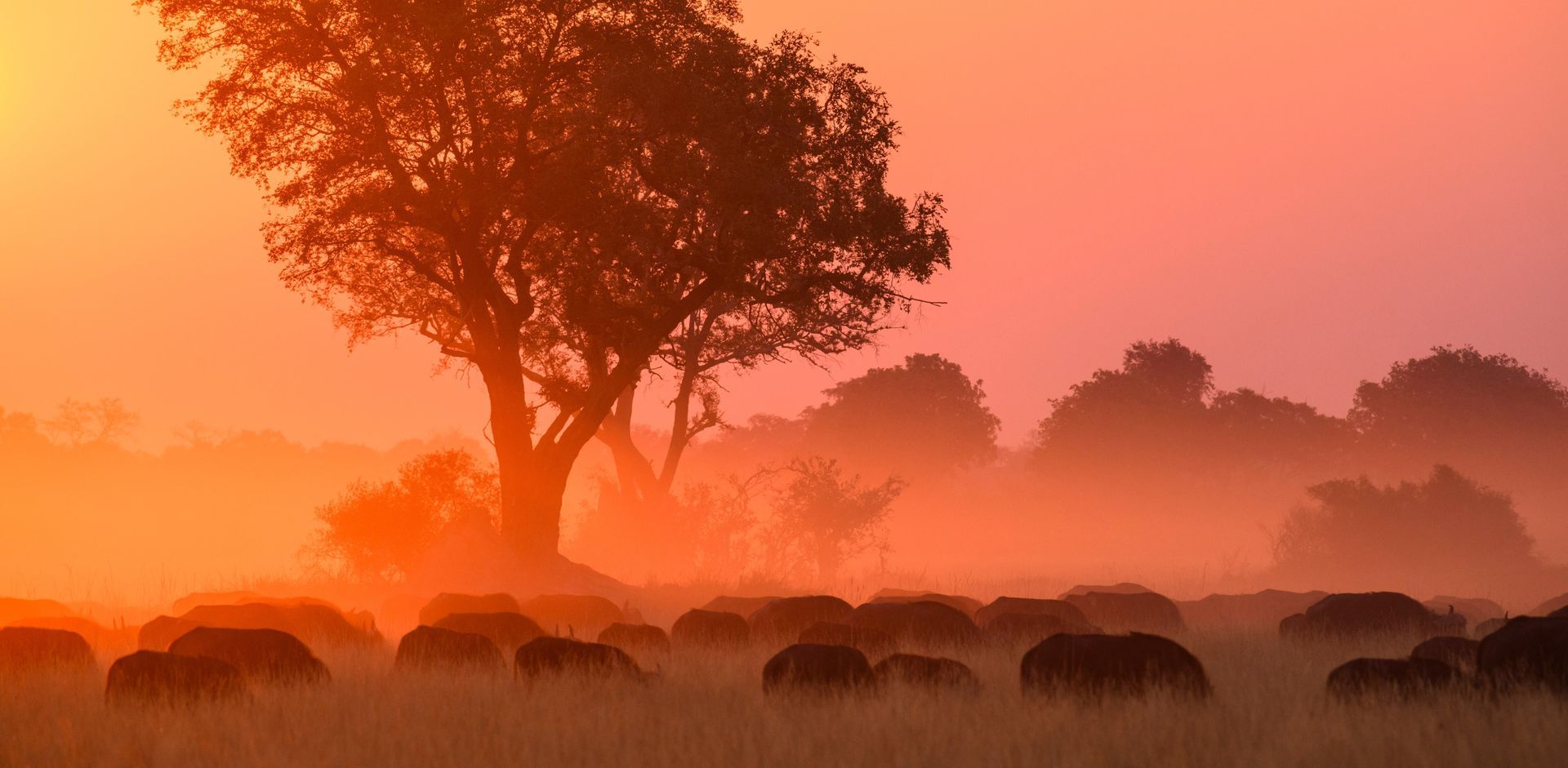
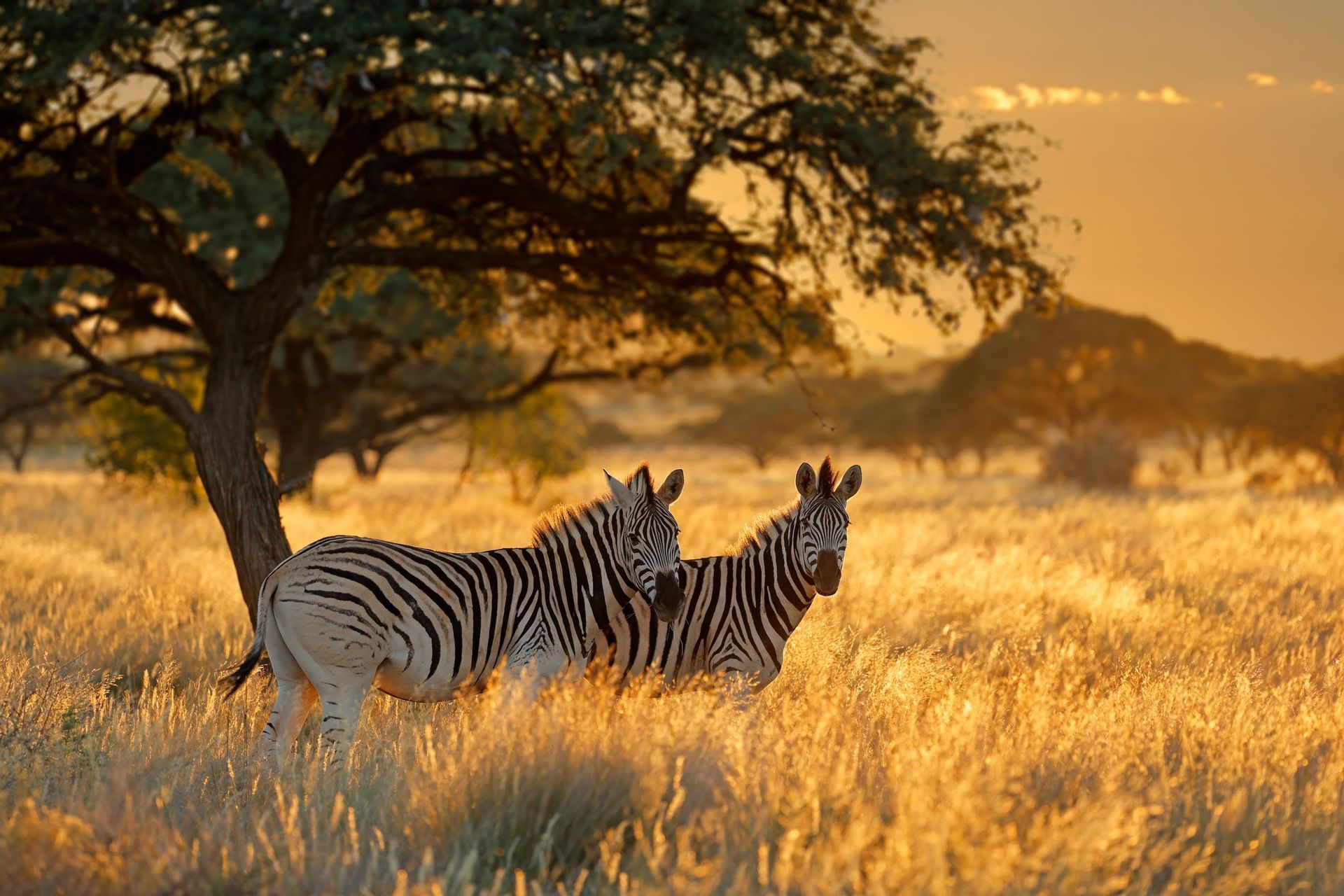
The African bush at 4am is something that exists on its own entirely different plane of existence. The air is cold and clean and completely alive in a way that midday simply cannot replicate. The light, when it eventually arrives, does things to the landscape that no filter has ever successfully recreated. And the wildlife? Well, they didn't get the memo about lie-ins either, which means you're out there with them at their most active, most alert and most magnificently themselves.
You will be back at camp by mid-morning, slightly dazed, slightly triumphant and entirely converted. The 4am wake-up call will become, by day three, something you actually look forward to. We promise. And if you don't believe us, ask any Zafaris guest who's ever grumbled their way onto a vehicle in the dark and come back grinning like a child on Christmas morning.
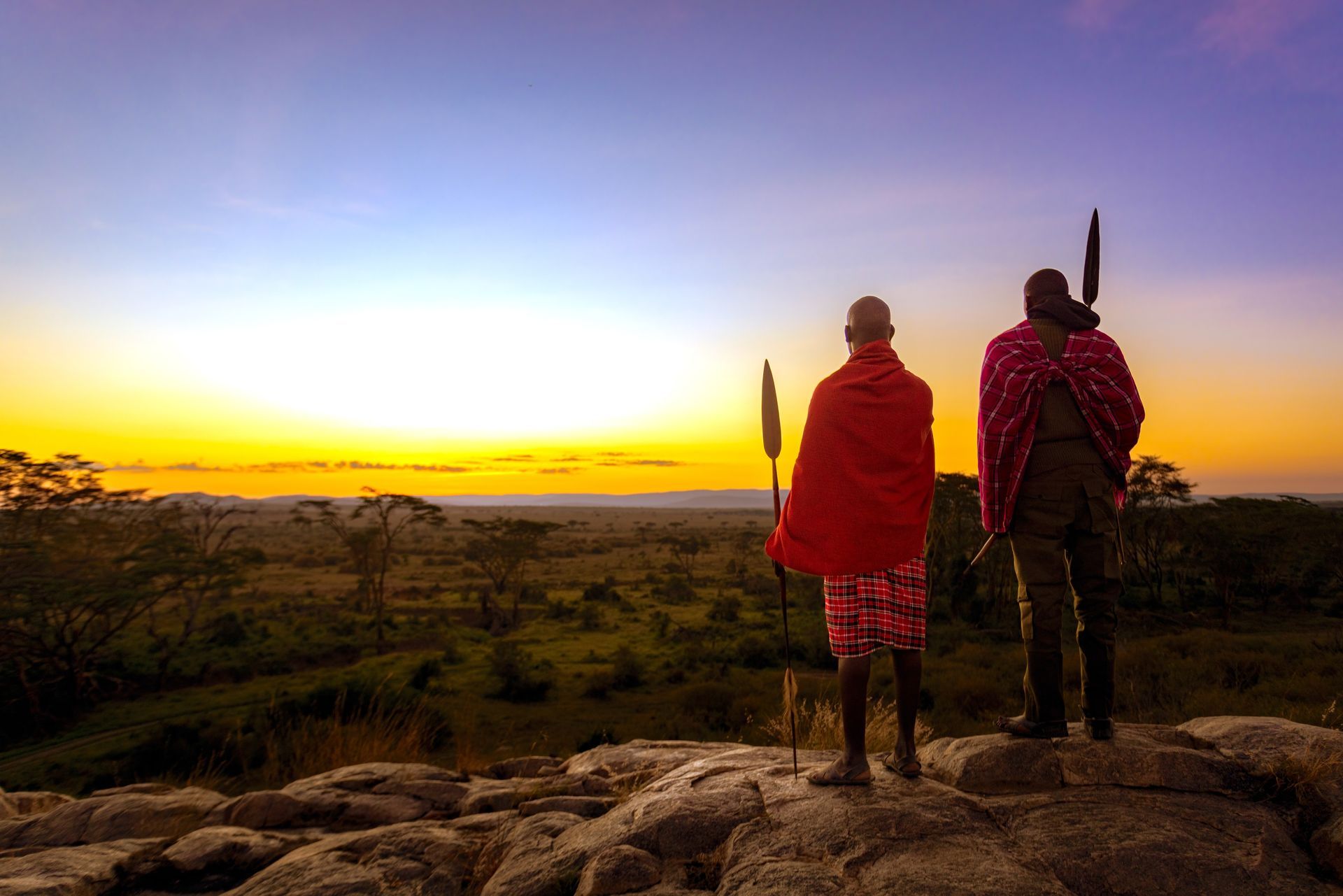
Your guide knows everything. Ask them everything.
Safari guides are one of Africa's great underappreciated wonders. The amount of knowledge these people carry around in their heads is frankly unfair to the rest of us. They can identify a bird by a single note at 200m. They can read a paw print in the dust and tell you how long ago it was made, which direction it was heading and roughly what mood the animal was in. They have, in all likelihood, heard your question before. Many, many times. And they'll answer it with the same enthusiasm they brought to the first time someone asked it, which says everything you need to know about the quality of people this industry attracts.
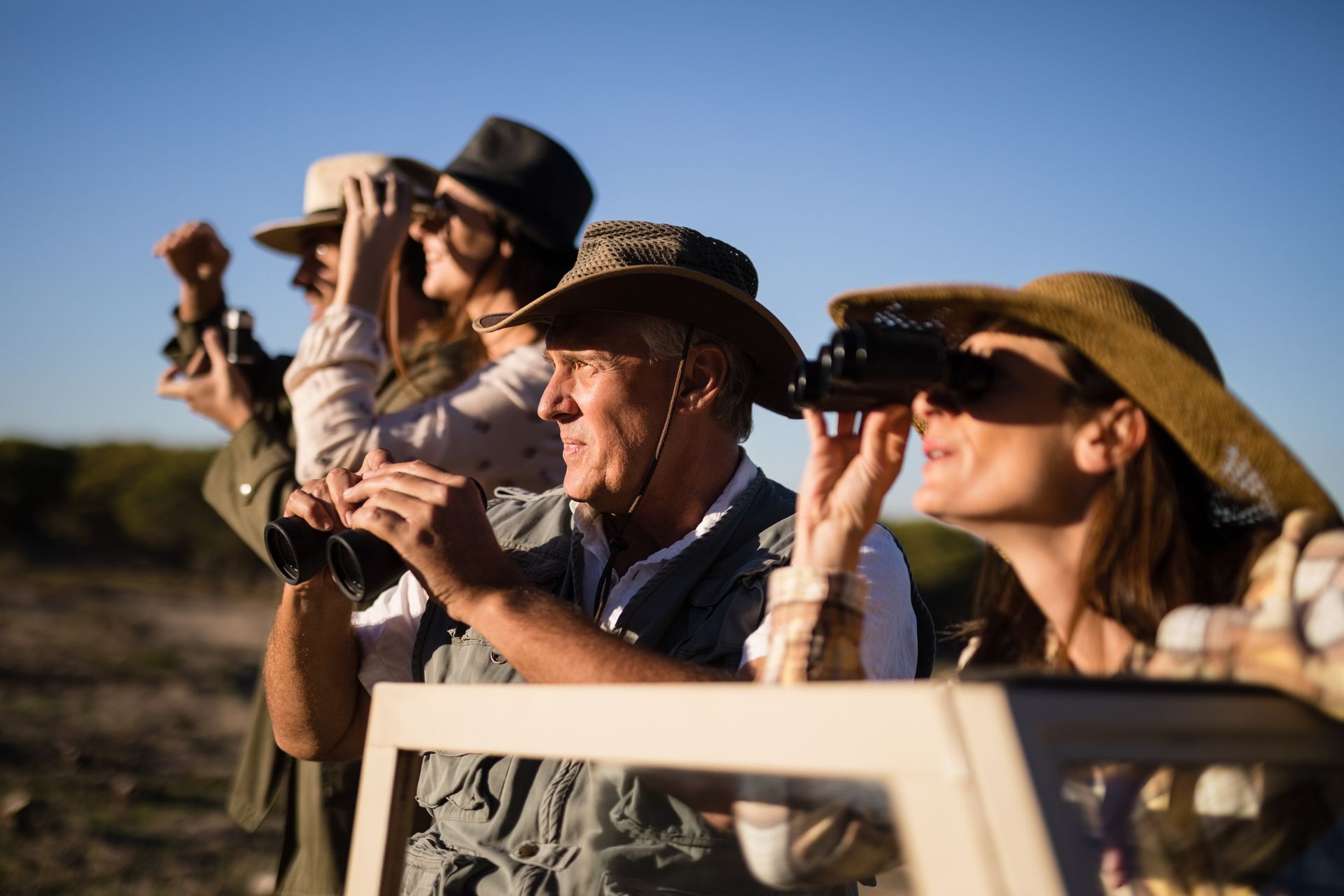
So ask everything. The daft questions, the obvious questions, the questions you're slightly embarrassed about because you feel like you should already know the answer. Your guide is not judging you. They're delighted you're curious. The guests who get the most out of a safari are invariably the ones who treat every game drive as a masterclass and their guide as the most interesting person they've ever met, which, by any reasonable measure, they probably are.
You will develop opinions about animals you never expected to care about
You arrive thinking you want lions. Everyone arrives thinking they want lions. Lions are the headline act, the reason you came, the screensaver you've already mentally selected. And lions are, to be fair, absolutely spectacular, even though they do tend to spend most of the day on their backs with their privates in the air.
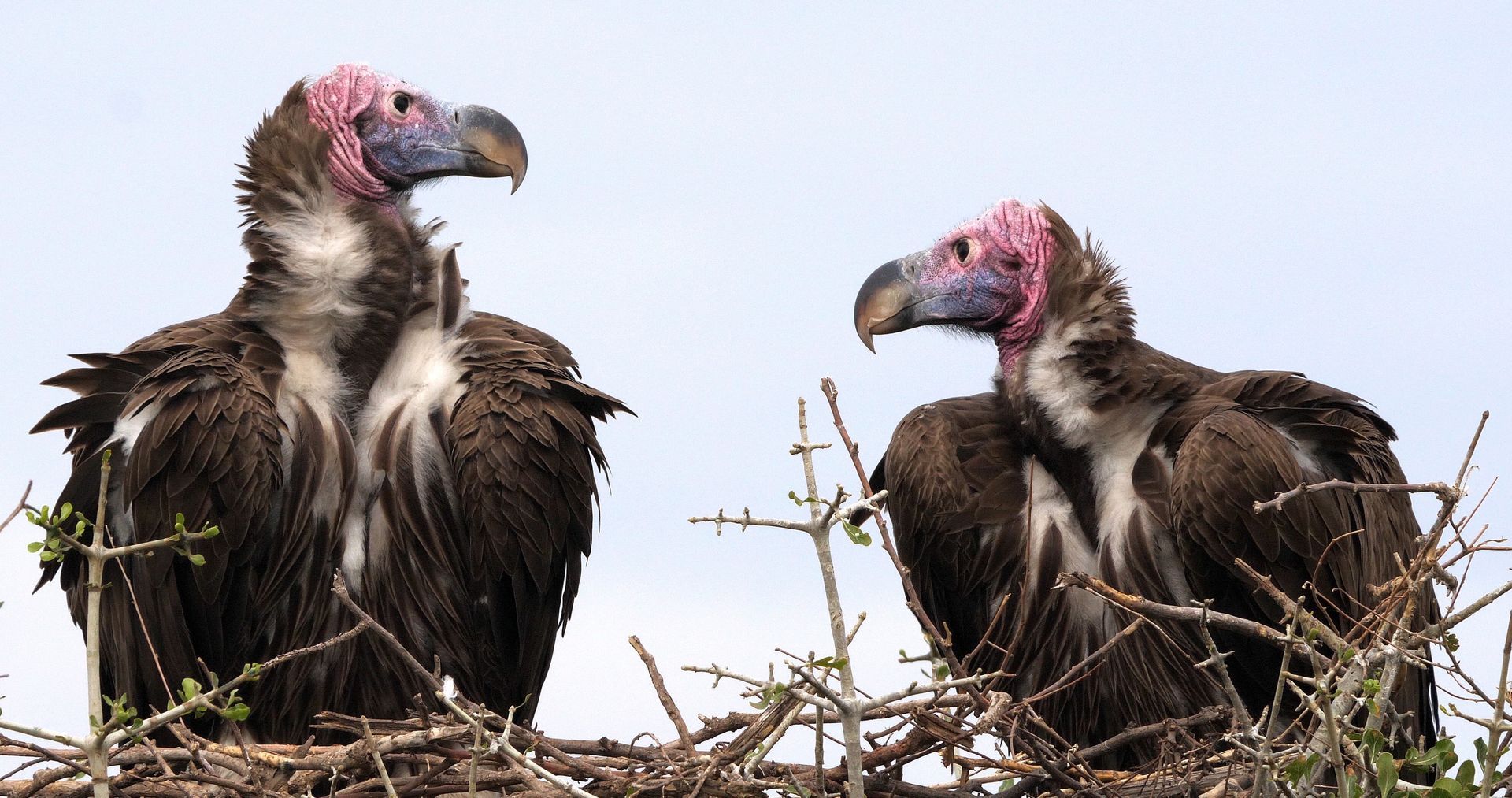
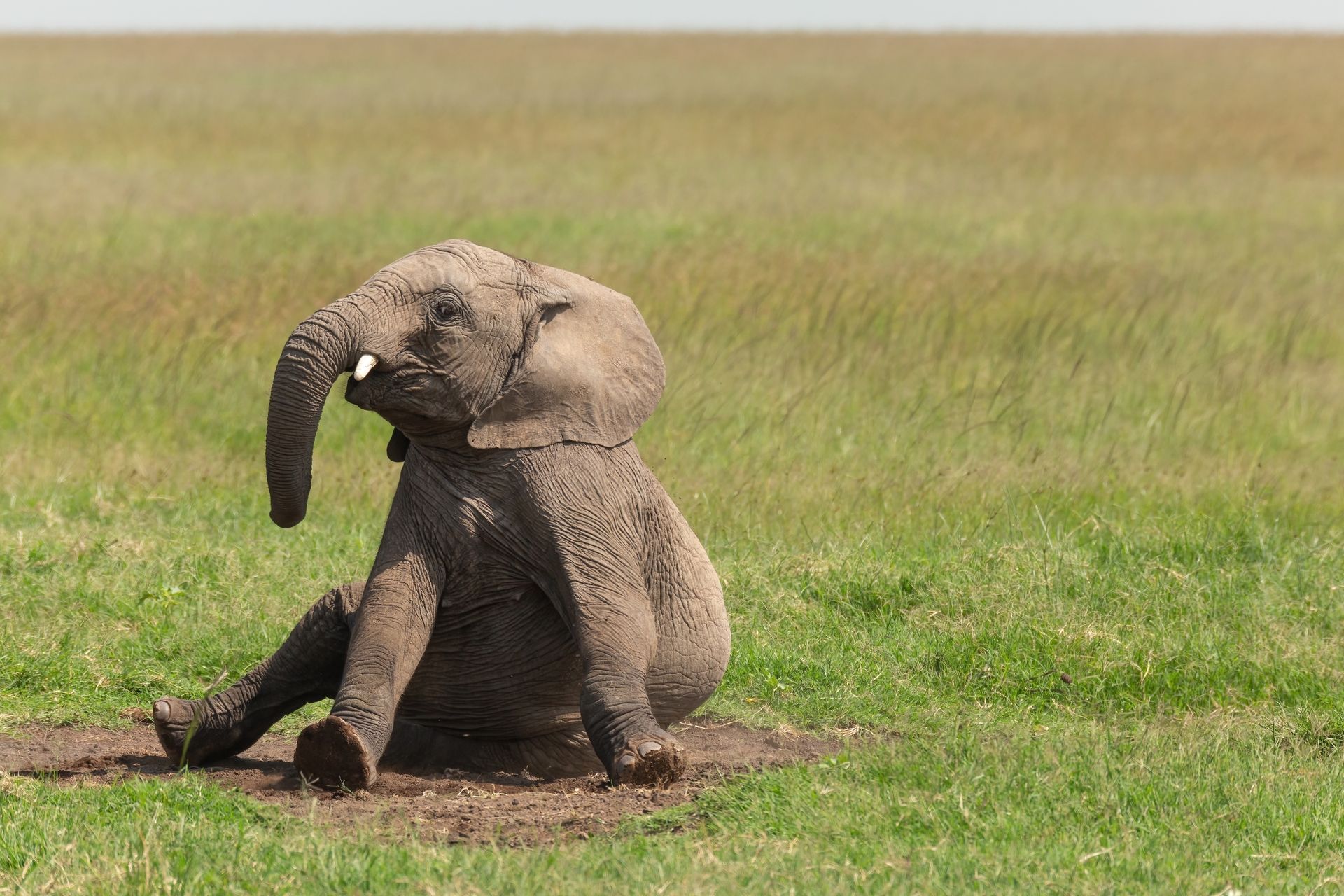
But here's what nobody mentions: somewhere around day two, a warthog is going to trot past your vehicle with its tail sticking straight up like a tiny, ridiculous antenna, and you are going to lose your mind with delight. A dung beetle will transfix you for a full 10 minutes. You will become inexplicably invested in the territorial dispute between two lilac-breasted rollers. You'll find yourself genuinely rooting for a baby impala in a way that suggests you may need to examine your emotional priorities when you get home.
Africa does this to people. It opens up a drawer of curiosity you didn't know you had and fills it, rapidly, with things you never thought you'd care about. The person who arrived wanting the Big Five leaves wanting to know why that particular tree has that particular bark and what that call was and whether that's the same elephant family they saw yesterday. It's completely wonderful and mildly destabilising, and it's one of the reasons people go on safari again and again and again.
Silence is the amenity nobody puts on the brochure
The lodges are beautiful. The food is extraordinary. The service is the kind that makes you briefly wonder if you've been living your life wrong. But the thing that will stay with you longest, the thing that creeps up quietly and then refuses to leave, is the silence.
Not silence in the absence-of-sound sense, because the African bush is never truly quiet. It's silence in the sense of an almost complete absence of the noise that defines modern life — the notifications, the background hum of traffic and commerce and other people's urgency. Out here, the sounds that reach you are all entirely purposeful: a francolin calling, water moving, wind through grass, distant thunder building over the floodplain. Your nervous system, which has probably been quietly overwhelmed for years without you noticing, will take about 48 hours to realise what's happened and then simply... exhale.
This is the thing that surprises people most and that the brochures are least equipped to describe. You can photograph a lion. You cannot photograph what happens to you in the silence. You just have to come and find out.
The bathroom is perfectly lovely, thank you for asking
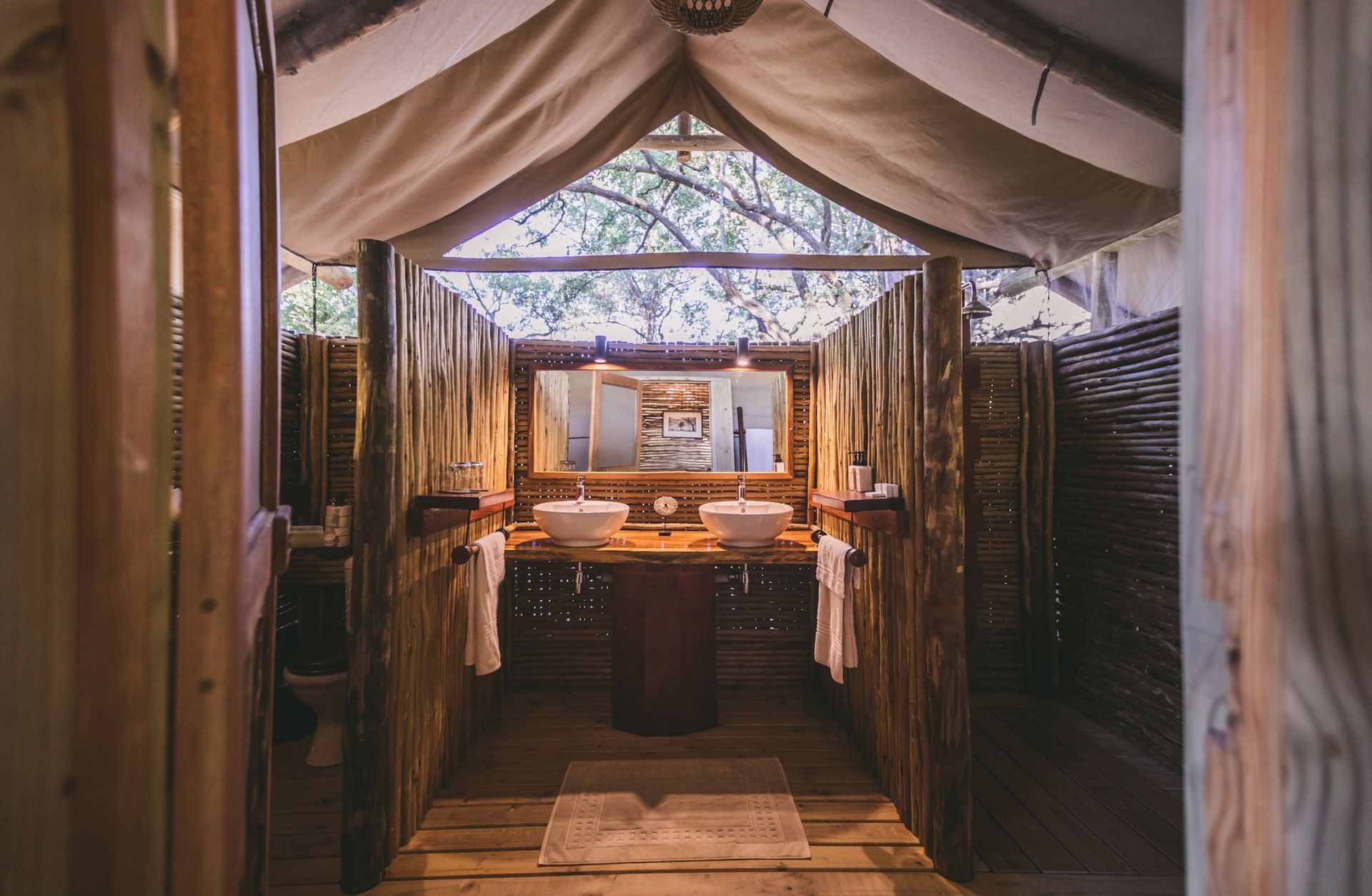
We feel the need to address this because the myths persist and they're putting people off unnecessarily. Yes, you're in the wilderness. Yes, there is untamed Africa happening outside your tent. And yes, your ablutions will take place in a beautifully appointed bathroom with proper plumbing, hot water and amenities that smell considerably better than most city hotels.
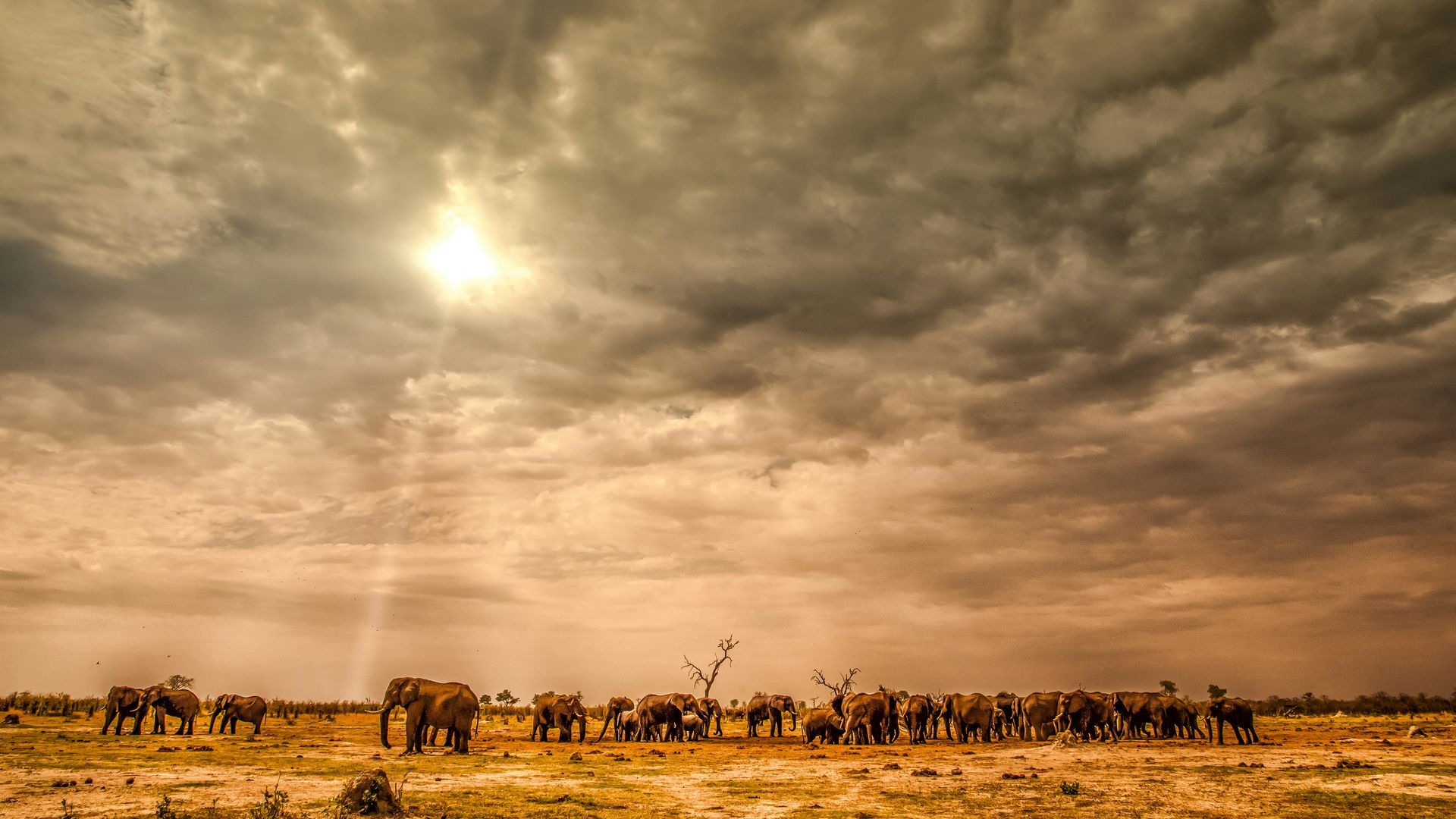
The days of roughing it as a prerequisite for safari authenticity are largely behind us, and honestly, good riddance. The lodges and camps that Zafaris works with have understood for some time that "immersed in nature" and "comfortable" are not mutually exclusive concepts. You can watch an elephant cross the floodplain from your private deck and then have a proper shower before dinner. Africa is many things. Inhospitable is not one of them.
Your phone becomes a camera and that's a very good thing
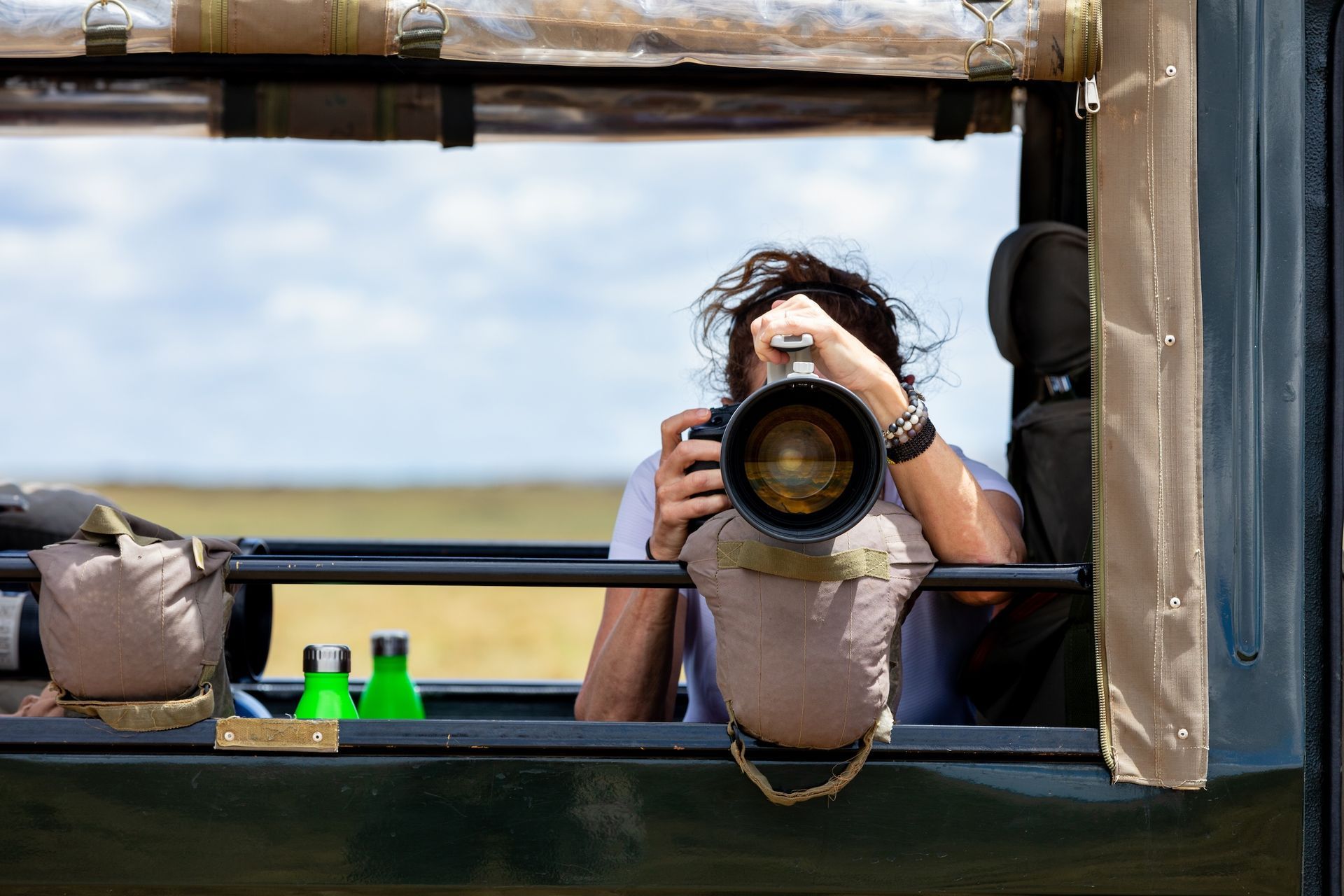
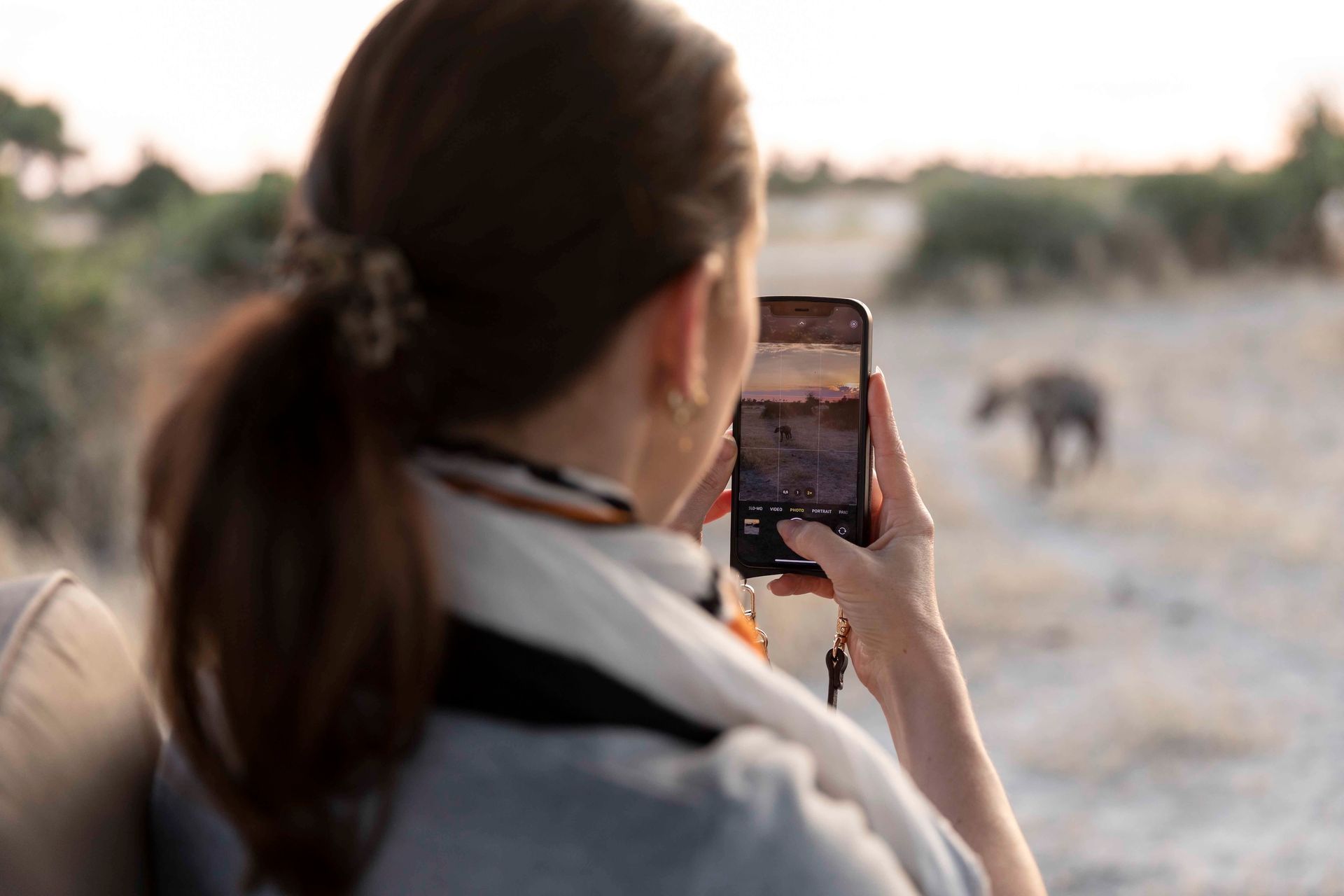
Let's be clear about something: your phone on safari is not going anywhere, nor should it. It's your camera, your wildlife journal, your way of capturing that ridiculous warthog and that extraordinary sunset and that leopard who finally deigned to show up on day four. Keep it charged, keep it close and keep the lens clean.
What does become blissfully and almost immediately irrelevant is everything else it usually does. The scrolling, the checking, the pinging, the low-grade anxiety of being permanently reachable. The signal out here ranges from patchy to non-existent and rather than feeling like deprivation, it feels like someone has quietly lifted something heavy off your shoulders without mentioning it.
What replaces the scrolling is attention directed at the world immediately in front of you. It turns out this is enormously pleasurable and that most of us have been doing attention wrong for quite some time. The bush teaches you this gently, without making a fuss, simply by being so completely and relentlessly absorbing that there is genuinely nowhere else your mind wants to be.
Africa will not behave and this is the entire point
The wildlife doesn't perform on request. The leopard you desperately want to see may spend your entire stay being studiously invisible. The lion you finally locate may choose that precise moment to sleep with magnificent commitment for four uninterrupted hours. The elephant that walked through camp last week will not repeat the performance just because you've arrived.
And yet. Something will happen that you didn't expect, didn't plan for and couldn't have scripted. It always does. Africa reserves its best moments for the people who've stopped demanding them, and the guests who arrive with open hands rather than a checklist invariably leave with more than they came for.
This is the fundamental truth of safari that no amount of preparation can fully convey. It has to be experienced. The unpredictability is not a flaw in the product. It's the whole point.
So come with curiosity instead of expectations, patience instead of an agenda, and a willingness to be completely, gloriously surprised. Africa has been doing this for rather longer than any of us, and it knows exactly what it's doing.
Ready to find out for yourself? Get in touch and let's start planning the safari that nobody told you about.
Text: Sharon Gilbert-Rivett