
WILL THE REAL BOTSWANA PLEASE STAND UP?
Lots of stuff you didn't know about a legendary destination
It sits in the middle of southern Africa on top of one of the largest continuous sand systems on earth, landlocked, with rainfall that arrives when it feels like it and a landscape that the uninitiated might generously describe as flat. On paper it has no business being one of the most sought-after, most talked about, most genuinely extraordinary safari destinations on the planet... Botswana is the poster child of the African wilderness and close to the top of safari bucket lists the world over, and yet there are still places in this incredible country that you most likely have no clue about. Until now...
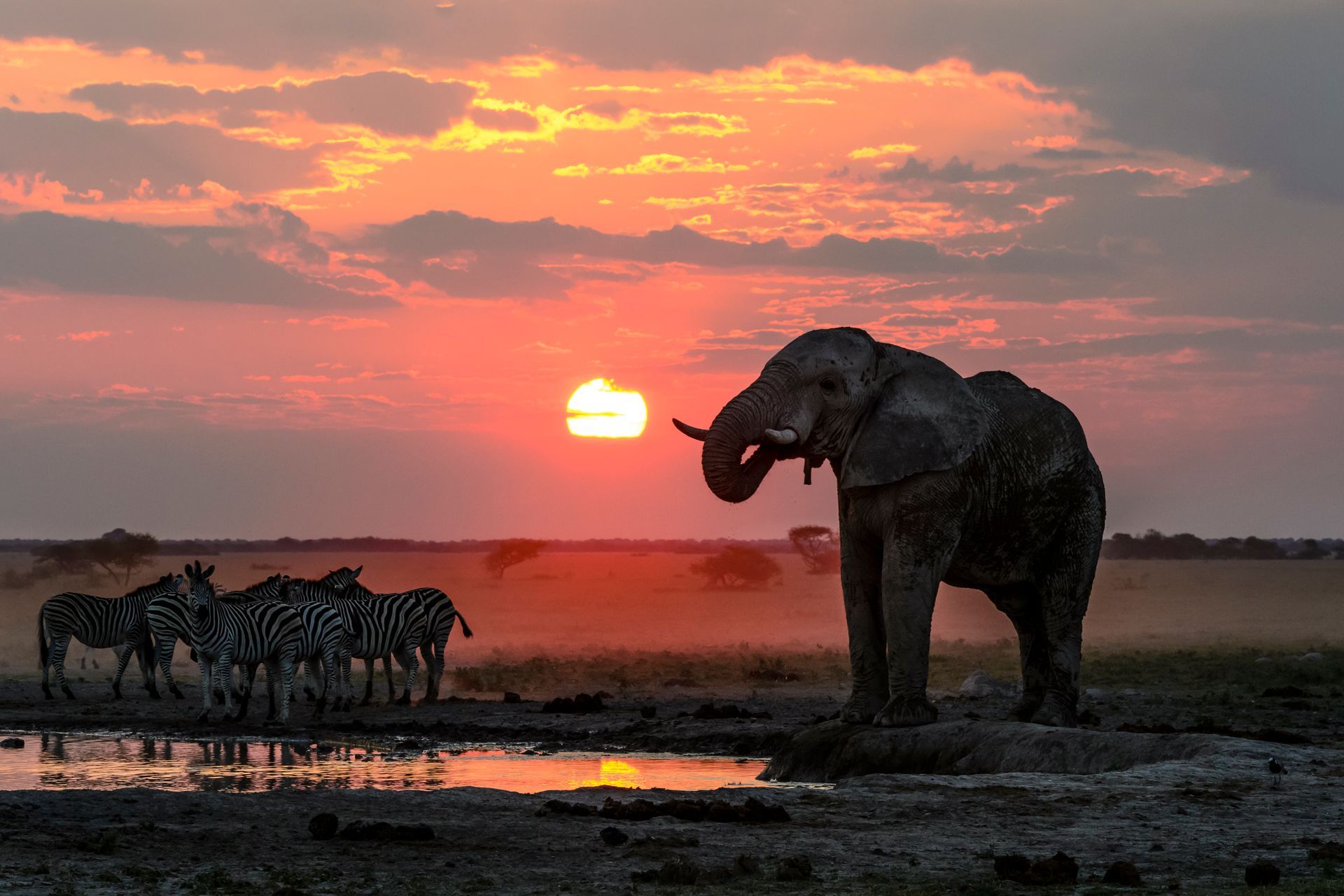
"Bots" is a place that gets under your skin so quietly and so completely that you don't notice it's happened until you're back home in the concrete jungle staring at a spreadsheet at 9am on a wintery Tuesday morning. It's been doing this to people for decades and it shows absolutely no signs of stopping.
The curious thing is that it shouldn't exist, geologically speaking. The Kalahari Basin is roughly 2.5 million square kilometres of ancient sand sitting across the centre of Southern Africa covering most of Bostwana, a chunk of Namibia and the north of South Africa. It's one of the largest sand systems on earth. Call it a desert and you'd be both understandable and wrong, because the Kalahari is technically a fossil desert, which means it has all the sand and none of the aridity that the word desert usually implies.
Rainfall across much of Botswana ranges from 250mm in the parched southwest to 650mm in the lush north, and in a good wet season the whole improbable thing turns so extravagantly, unexpectedly green that first-time visitors tend to stand very still for a moment and quietly reassemble their preconceptions.
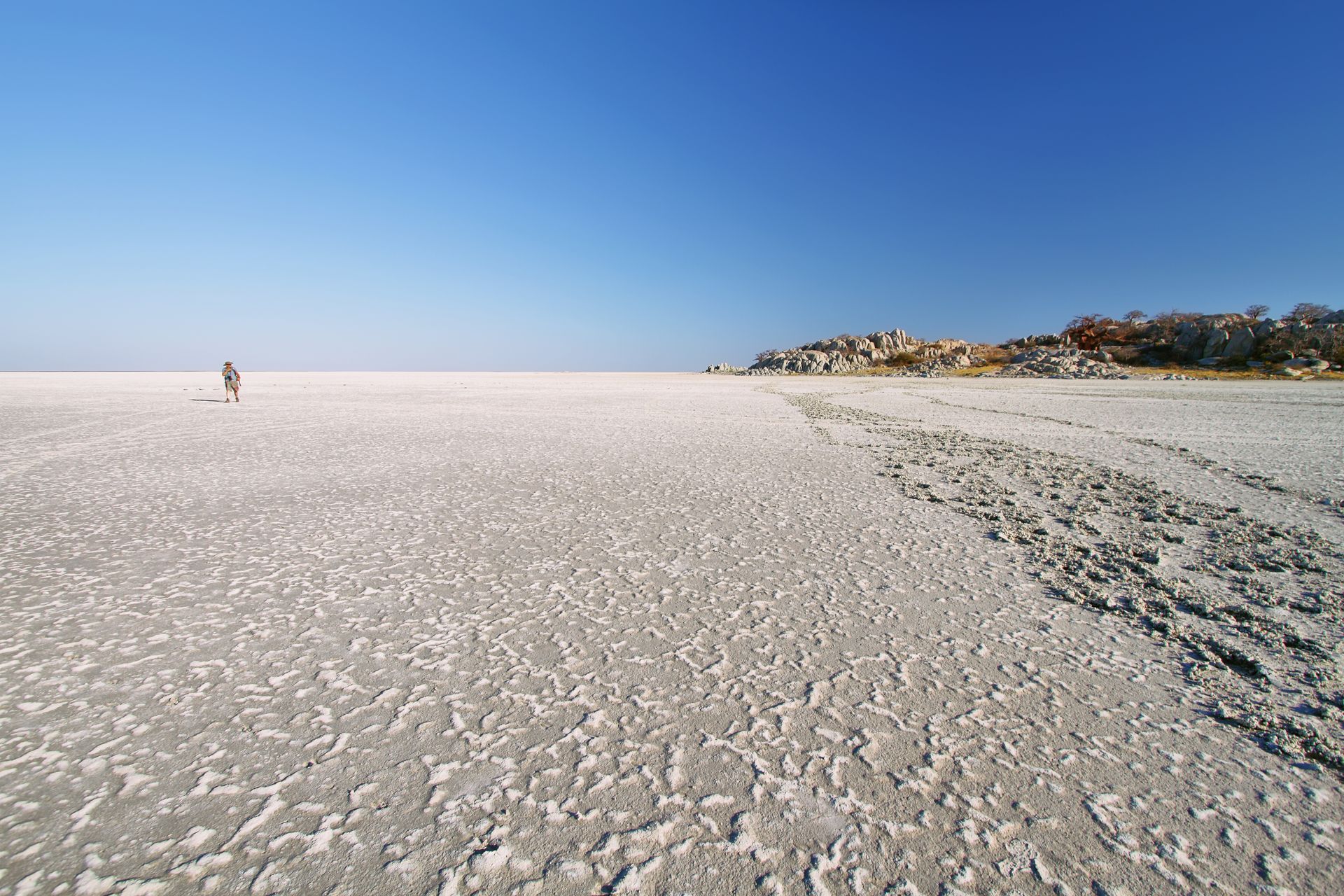
The sand is everywhere and ancient beyond imagining, compressed into a basin that was once home to a lake so vast it makes the current Okavango Delta look like a garden pond. Lake Makgadikgadi, as geologists call it, covered an area larger than present-day France before the tectonic shifts and climatic changes that eventually drained it, leaving behind the extraordinary salt pan system that bears its name today and a landscape of such primordial, moonlike otherworldliness that standing on it feels genuinely less like being in Africa and more like being on the surface of something that hasn't been named yet.
A river that never found the sea
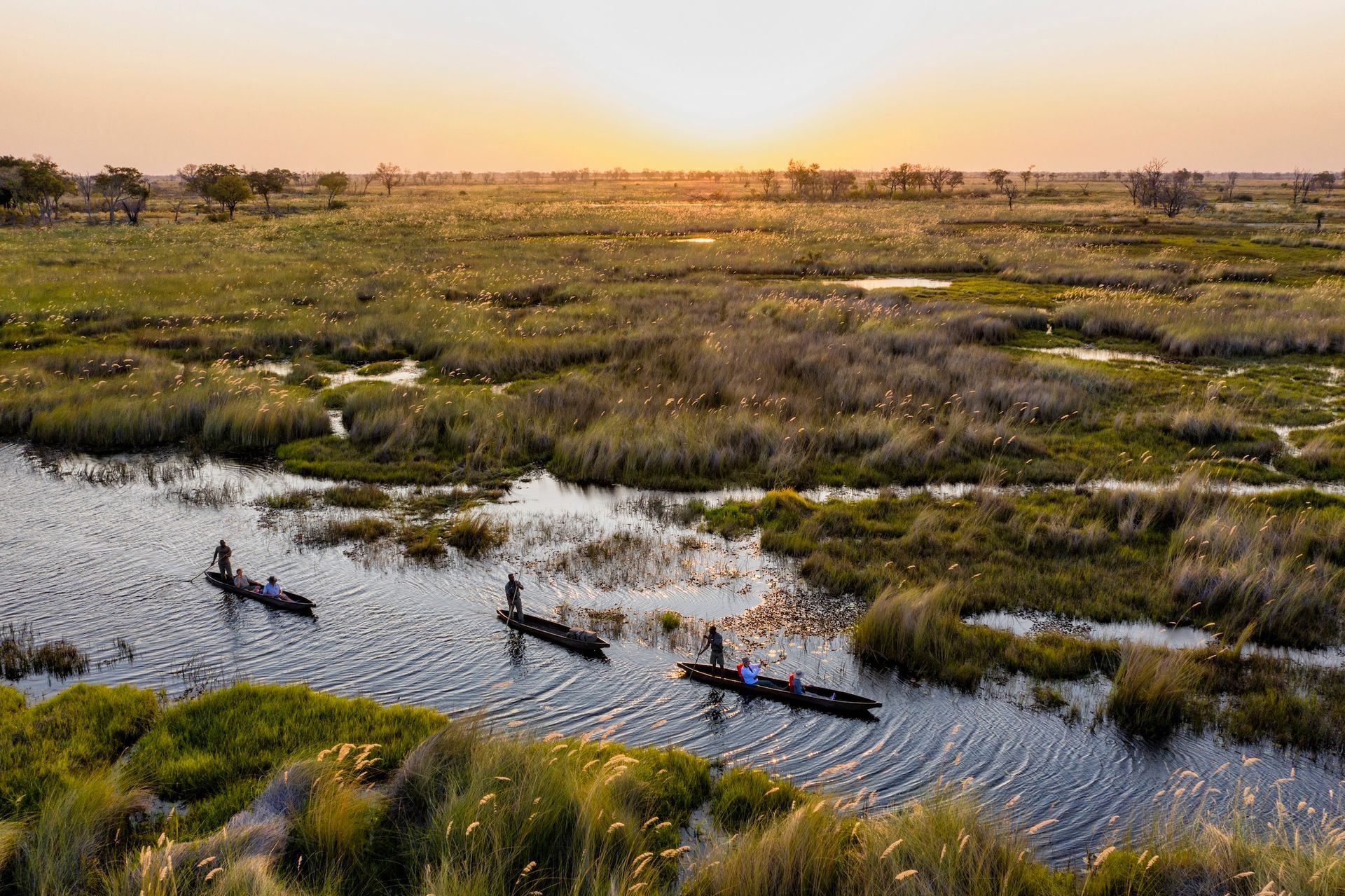
Then there's the small matter of the Okavango. It rises in the Angolan highlands with every apparent intention of becoming a normal river, gathers itself with considerable purpose and heads southeast into Botswana where it proceeds to do something no river with any sense of geographical direction should do: it fans out across an ancient tectonic trough, subdivides into thousands of channels threading between papyrus and reed bed and palm-fringed island, creates the largest inland delta on earth and then, job apparently done, quietly sinks into the Kalahari sand and disappears. It never reaches the sea. It never reaches anything. It just stops.
This act of magnificent geographical waywardness produces something the planet has almost nowhere else: a vast, shimmering, teeming wetland ecosystem in the middle of a desert, arriving reliably every year on the back of Angolan rains that fell months earlier and hundreds of kilometres away, sustaining a concentration of wildlife that has no right to be there but is absolutely, breathtakingly there.
This is before we've mentioned the Panhandle, where the Okavango is still behaving like a proper river, running clear and strong through dense papyrus stands and delivering some of the finest fishing and birding in southern Africa to the small number of people who know to look for it there. Or the Boteti River on the eastern edge of the Makgadikgadi, which dried up entirely in the 1990s as upstream water use reduced it to a cracked clay memory of itself, then slowly, improbably, came back to life in the 2000s when flows recovered and the elephants returned to its banks in numbers that made wildlife managers stop and stare.
Botswana is full of stories like this because the landscape is not passive scenery, it's a protagonist.
The hills that the spirits live in
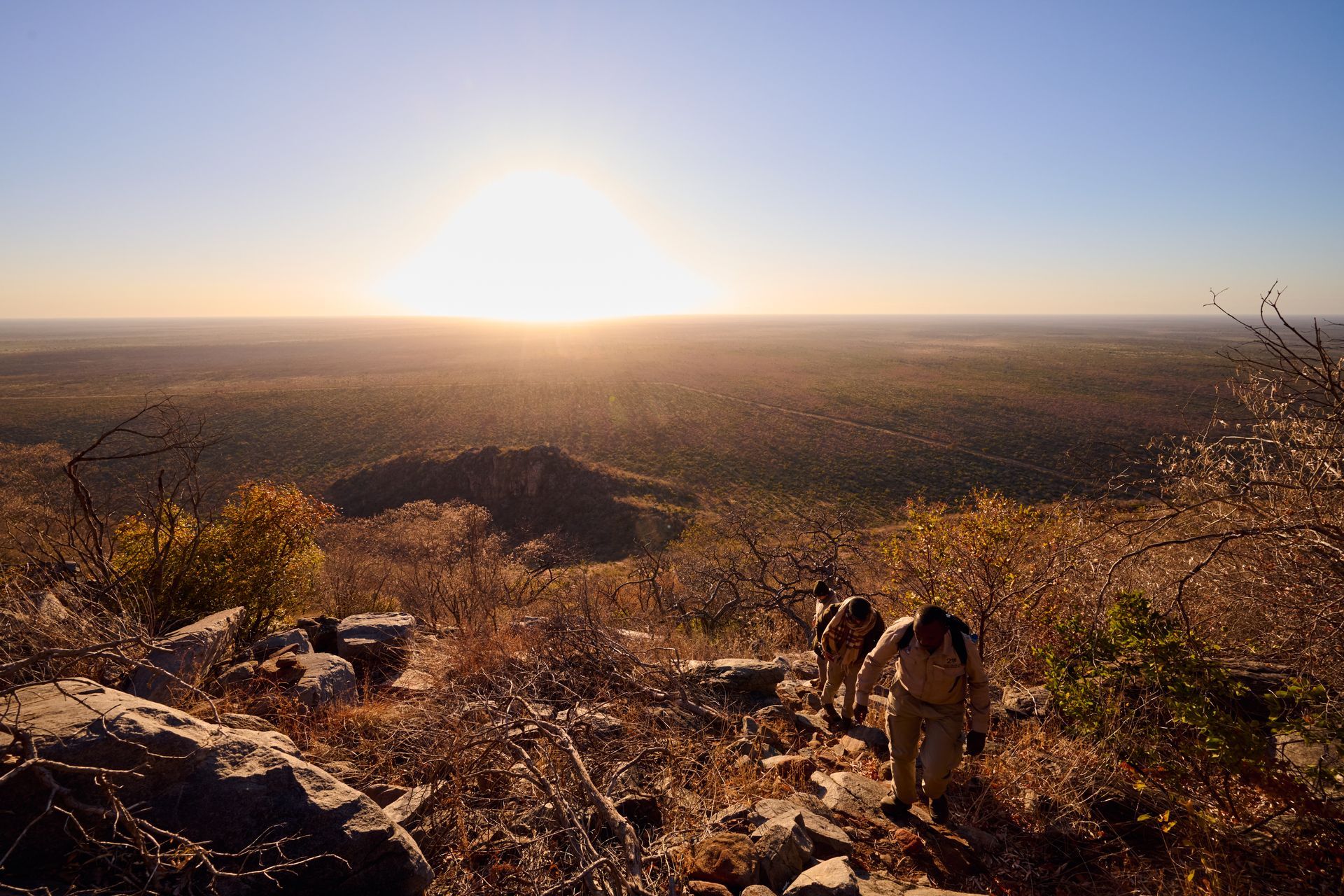
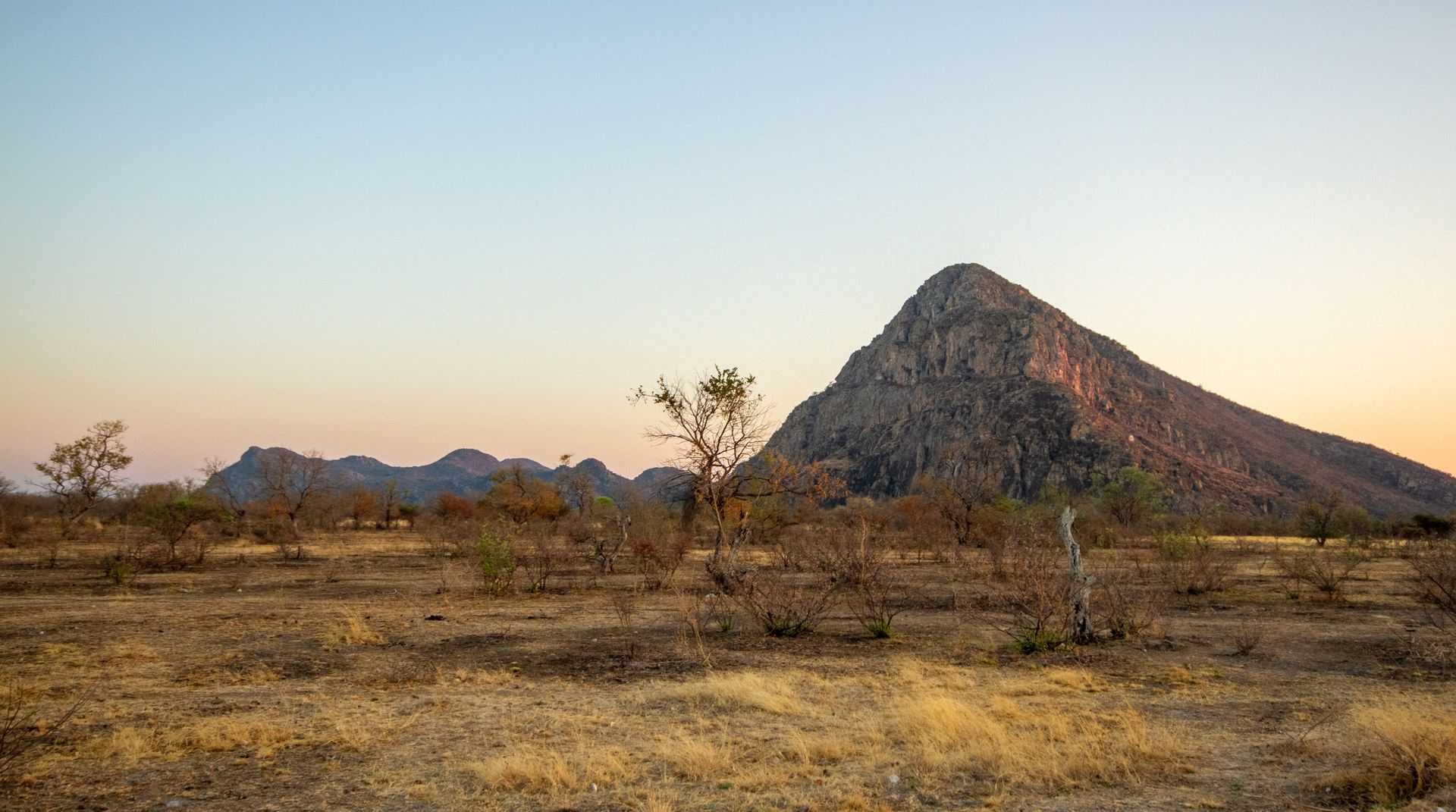
In the far northwest of Botswana, rising abruptly from the flat Kalahari sandveld in a way that seems almost deliberately dramatic, are the Tsodilo Hills. Four quartzite outcrops, the largest reaching 410m above the surrounding plain, sacred to the San people who have lived in and around them for at least 100,000 years and home to more than 4,500 individual rock paintings representing the largest concentration of rock art in the world.
UNESCO recognised Tsodilo as a World Heritage Site in 2001, placing it alongside the Pyramids and the Great Wall and other things the world has collectively decided matter.
Most visitors to Botswana have never heard of the Tsodilo Hills. This says something useful about how the country is marketed and what a different experience is available to the traveller willing to look beyond the obvious.
The San call the hills "Mountains of the Gods" and have their own cosmology built around them, a creation story in which the first spirit made the world here and left his handprints in the rock. Stand among the paintings in the early morning light, with the silence of the Kalahari absolute around you and the evidence of 100,000 years of human presence covering the rock faces in every direction, and you will not find that story difficult to understand at all.
The people and the choices they made
In 1967, a year after Botswana achieved independence from Britain as one of the poorest countries on earth, diamonds were discovered at Orapa. What happened next is, in the context of African resource politics, genuinely remarkable. The government of Seretse Khama undertook a renegotiation of the existing mining agreements, secured a majority stake in the revenues for the Botswana state and proceeded to invest those revenues in infrastructure, education, healthcare and the long-term institutional health of the country rather than the immediate enrichment of a governing elite.
The result, over the following decades, is a functioning democracy with peaceful transfers of power, a per capita income that has grown from among the lowest in Africa to comfortably middle income, a healthcare and education system that is the envy of the region and a civil society with a quiet, earned confidence in its own institutions that you feel the moment you arrive.
Botswana is not perfect and it doesn't claim to be. It is, however, proof of what is possible when a government decides to treat its own people as the primary beneficiary of national wealth, and that proof is visible everywhere you go.
The same clear-eyed approach was applied to wildlife and tourism. Botswana looked at what mass tourism had done to other African destinations and decided, firmly and early, that it wanted no part of it. The model it chose instead was low volume, high value: fewer visitors, higher spend per visitor, vast protected areas managed with genuine seriousness and a recognition that intact wilderness is an economic asset of the highest order.
Protected areas were expanded and properly resourced. Community-based natural resource management programmes were developed that gave local communities a genuine stake in the value of the wildlife on their land, and for a time a complete hunting ban reinforced Botswana's position as the continent's most progressive wildlife nation. Politics, as it has a habit of doing everywhere, eventually complicated the picture when the ban was lifted following a change of government , but the fundamental architecture of a conservation-first country remains intact, the wildlife continues to thrive and Botswana's reputation as Africa's gold standard for responsible, low-volume, high-value tourism is, by any honest assessment, still entirely deserved.
The San and the 70,000-year lease
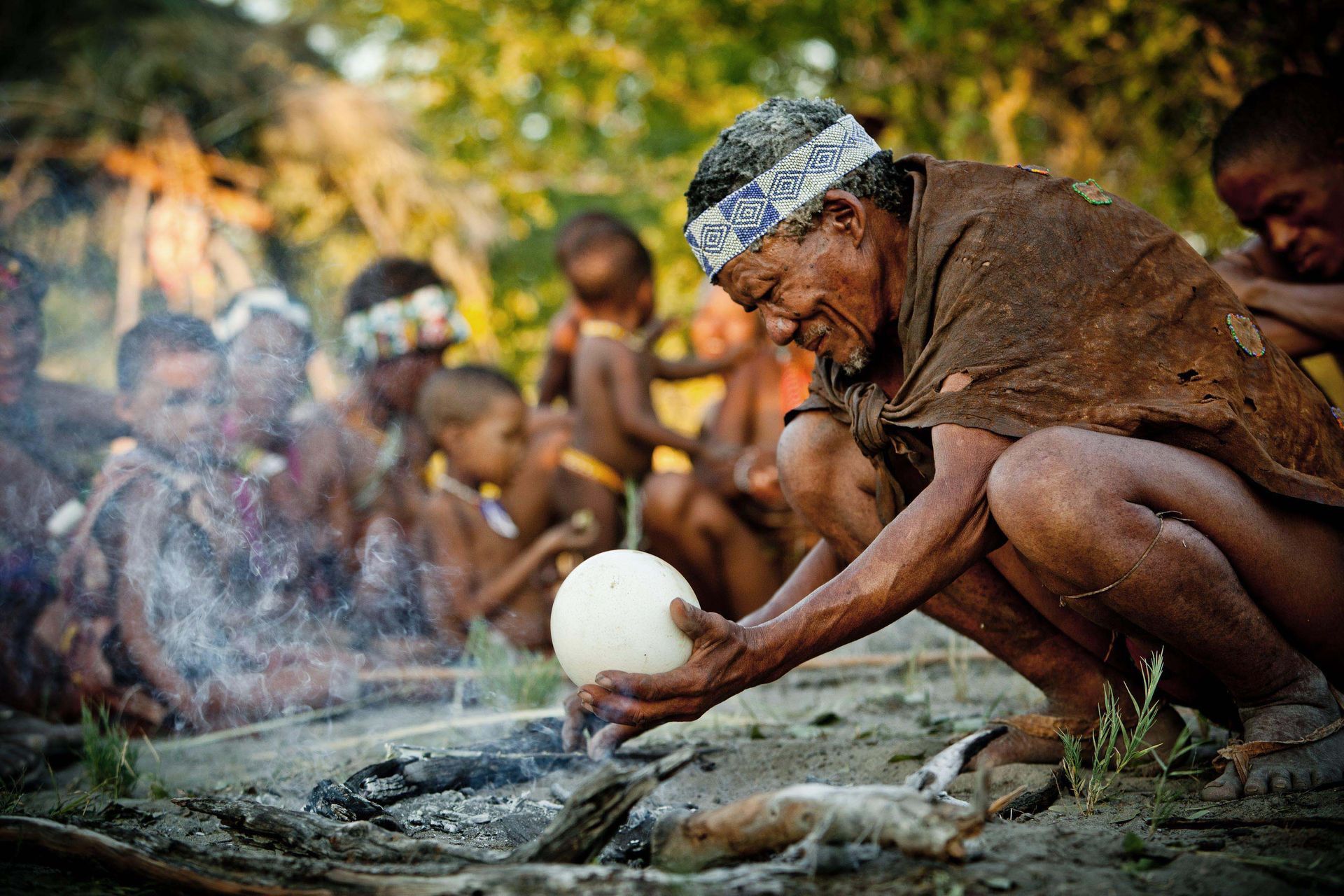
Before the diamonds and the democracy and the conservation model, before the cattle and the borders and the colonial maps that divided the Kalahari into territories with European names, there were the San. Hunter-gatherers whose genetic lineage is among the oldest on earth, whose knowledge of the Kalahari is so deep and so specific that it constitutes a science of the landscape accumulated over 70,000 years of unbroken habitation. They know where water is hidden in a desert that appears to have none. They can track an animal across ground that appears to have no tracks. They understand the nutritional and medicinal properties of plants that western botany catalogued only recently, if at all.
Their relationship with Botswana's modern state has been complicated and, at times, deeply unjust, and that history deserves acknowledgement rather than sentimentalising. What is also true is that encounters with San communities in the Central Kalahari, conducted respectfully and through properly managed cultural tourism programmes, offer a perspective on the landscape and on the nature of human knowledge that reframes everything you thought you understood about both.
Walking with a San tracker across the Kalahari is not a performative tourist experience but rather an education into a way of seeing the world that makes our own look, rather suddenly, very limited indeed.
Why Botswana keeps winning
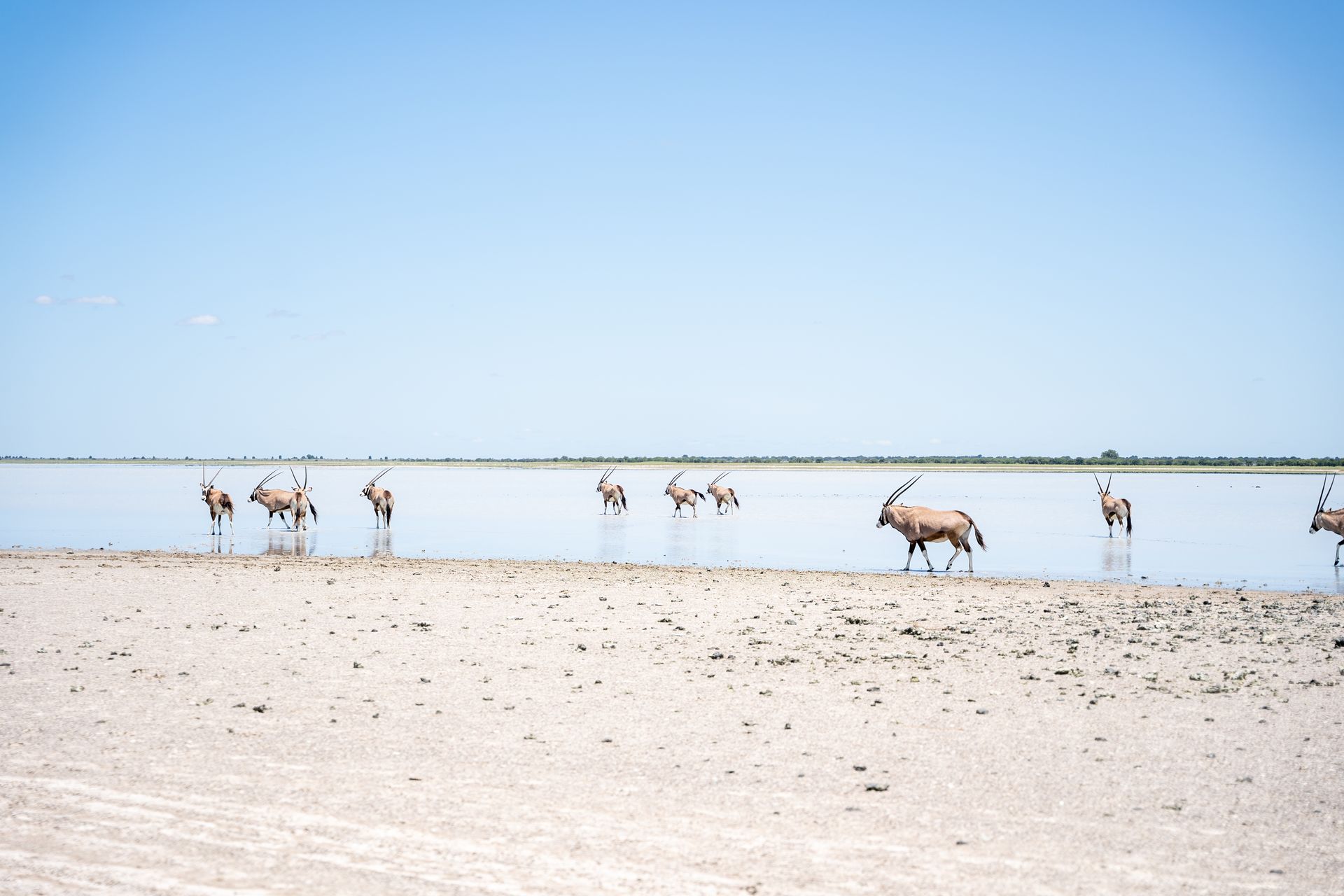
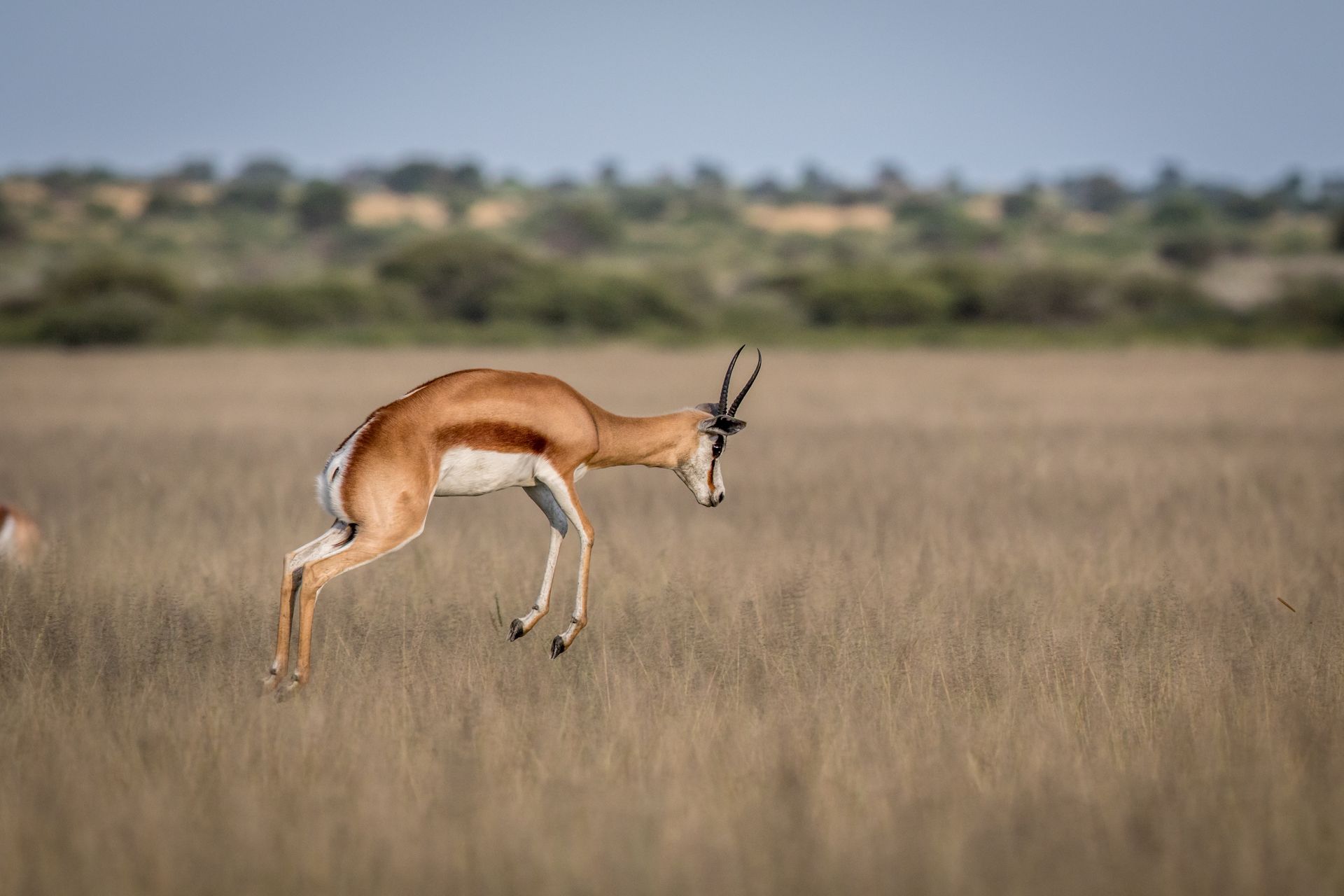
The Central Kalahari Game Reserve is 52,000 square kilometres of wilderness so vast and so genuinely remote that it contains areas no researcher has systematically surveyed. It's home to the famous black-maned Kalahari lions, to brown hyenas, to gemsbok and springbok and eland moving across open grasslands that stretch to every horizon without a fence or a road or any evidence of the 21st century to interrupt them. It's one of the last places on earth where you can experience the genuine, unmediated sensation of being very small in a very large world, and that sensation, it turns out, is one that people will travel a very long way and spend a very significant amount of money to feel.
This is the thing about Botswana that no amount of marketing copy has ever quite captured, though not for want of trying. The wildlife is extraordinary because it's been allowed to be, the wilderness is genuine because it's been defended as such, the people are warm and proud because they've been given reasons to be both.
Ready to go? So are we. Get in touch with Sian and Cara at Zafaris and let's introduce you to the Botswana that the other blogs don't know about.
Text: Sharon Gilbert-Rivett