
SHOOT LIKE YOU MEAN IT
The Zafaris guide to safari photography
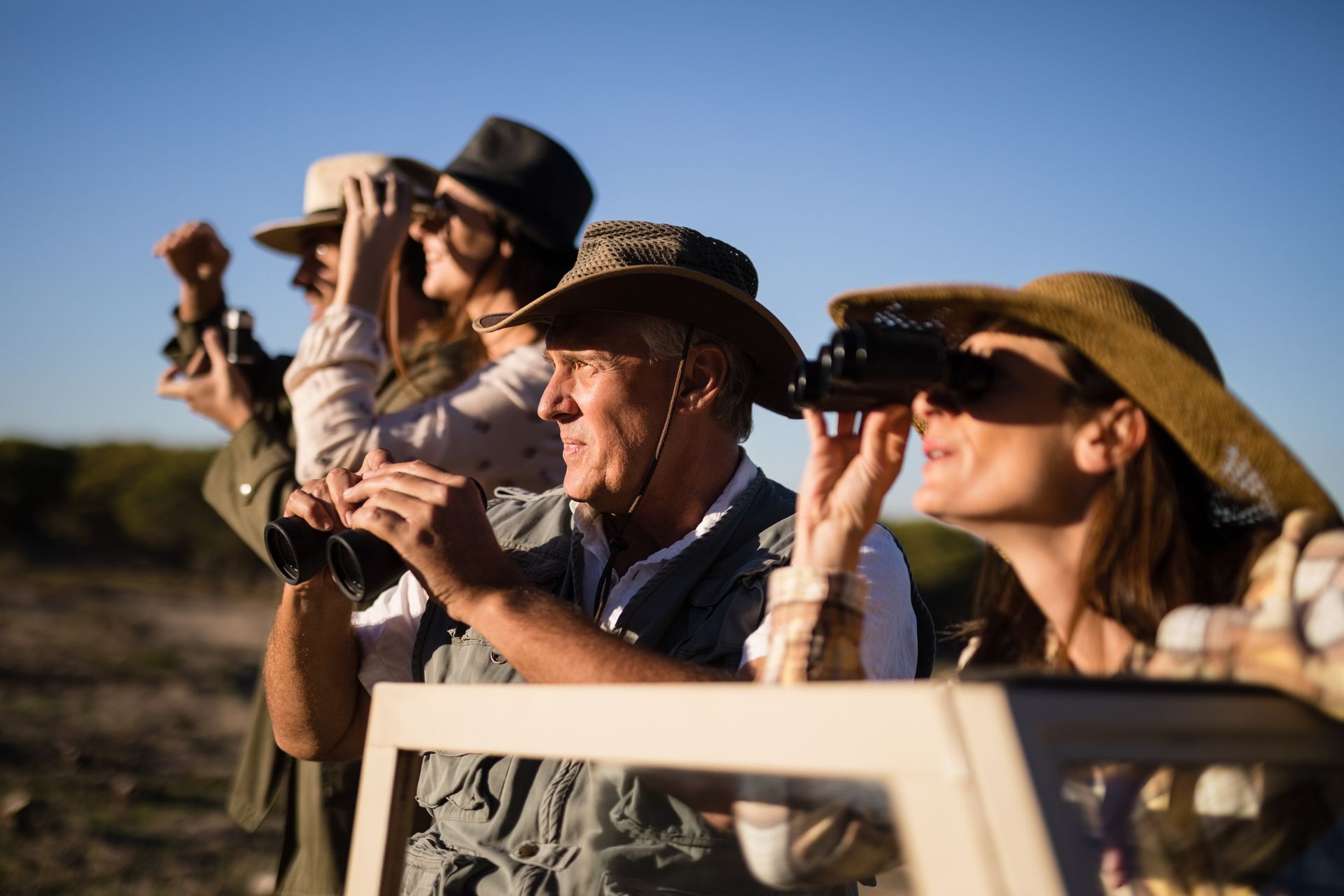
Africa is ready for its close-up, whether you're the particular kind of photographer who turns up on safari with a bag full of glass, a monopod, a carefully researched list of target species and an expression of focused intent that suggests they mean serious business or an average Joe, phone in hand, slightly overwhelmed by the sheer volume of extraordinary things happening in every direction at once, wondering whether you're doing it wrong...
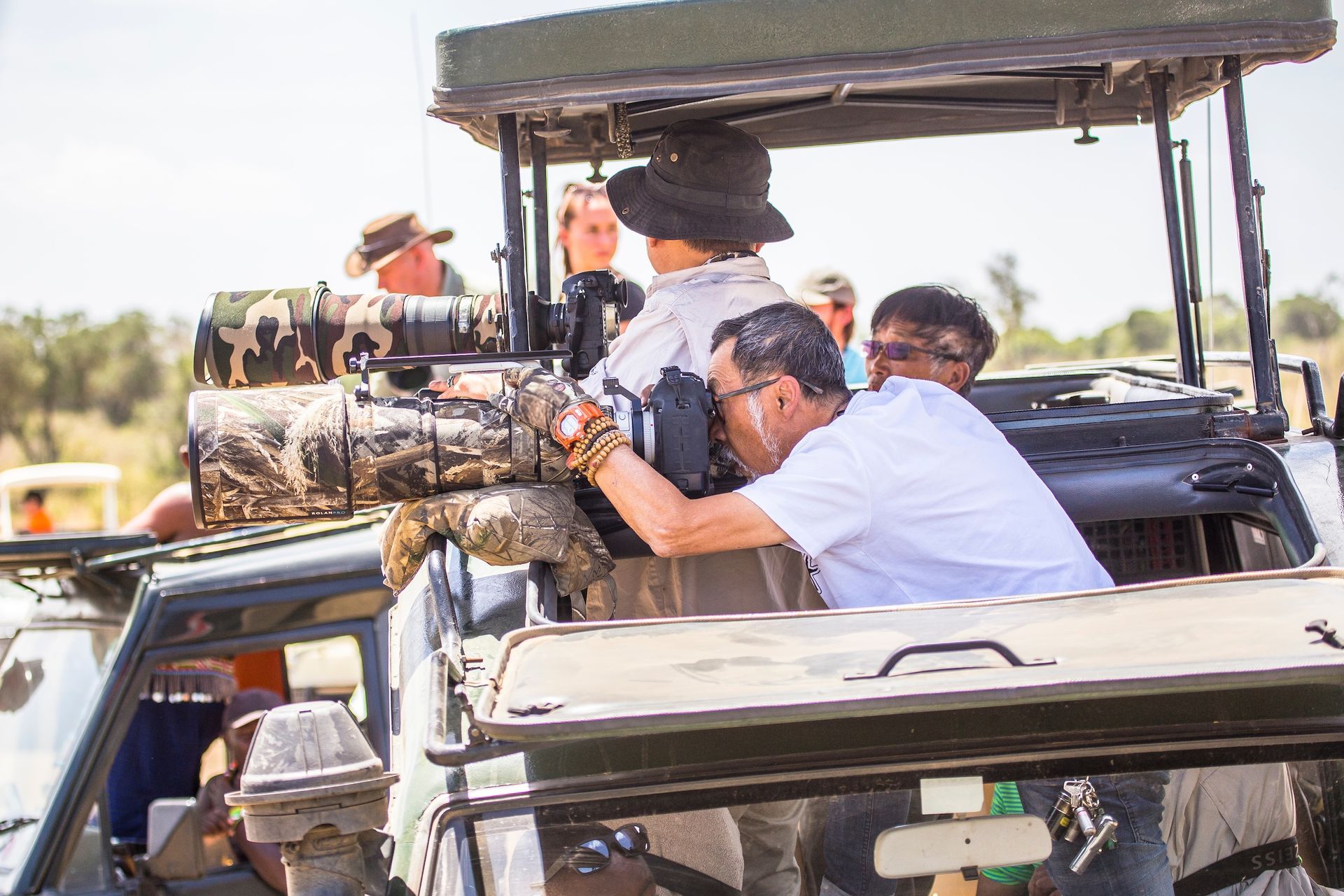
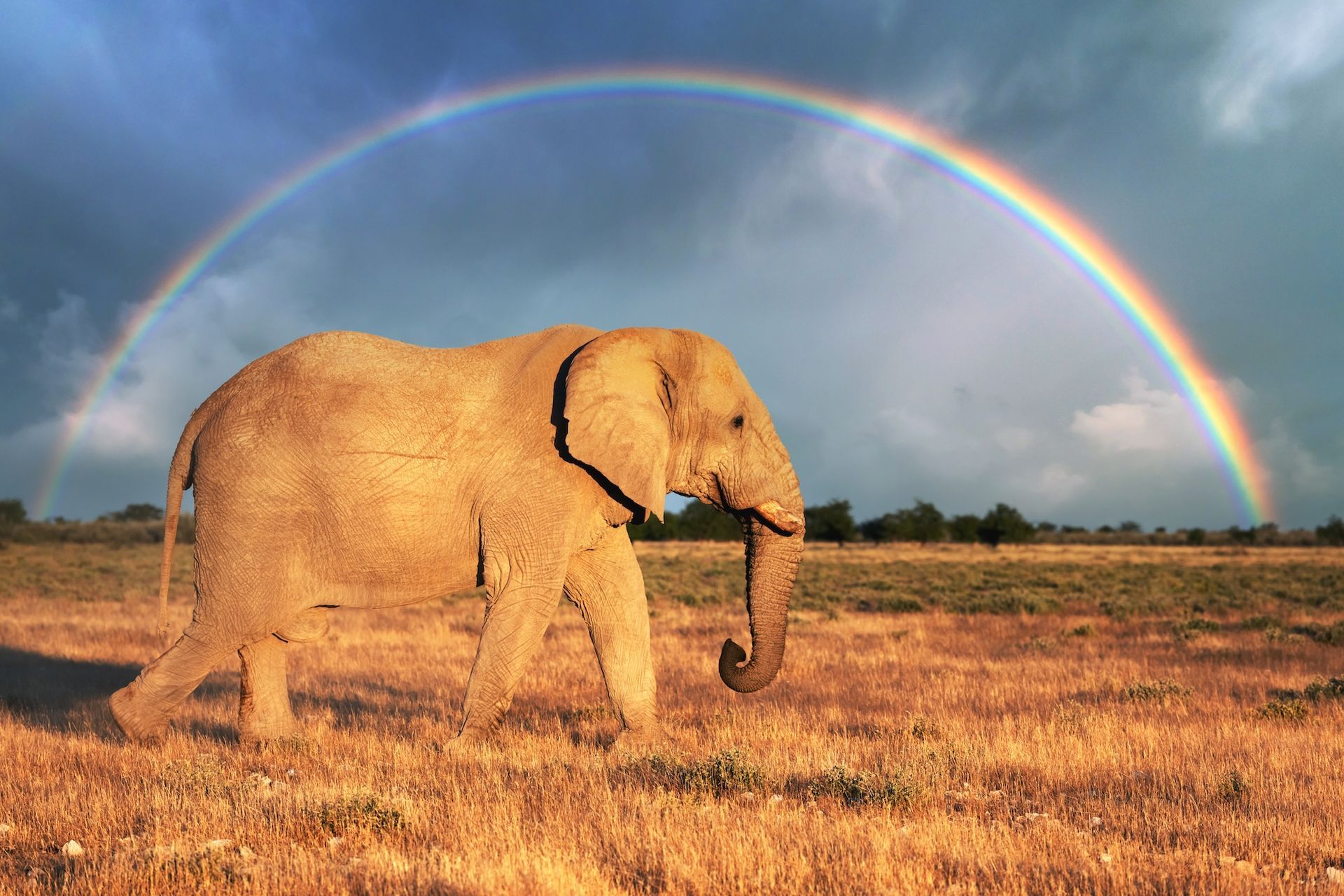
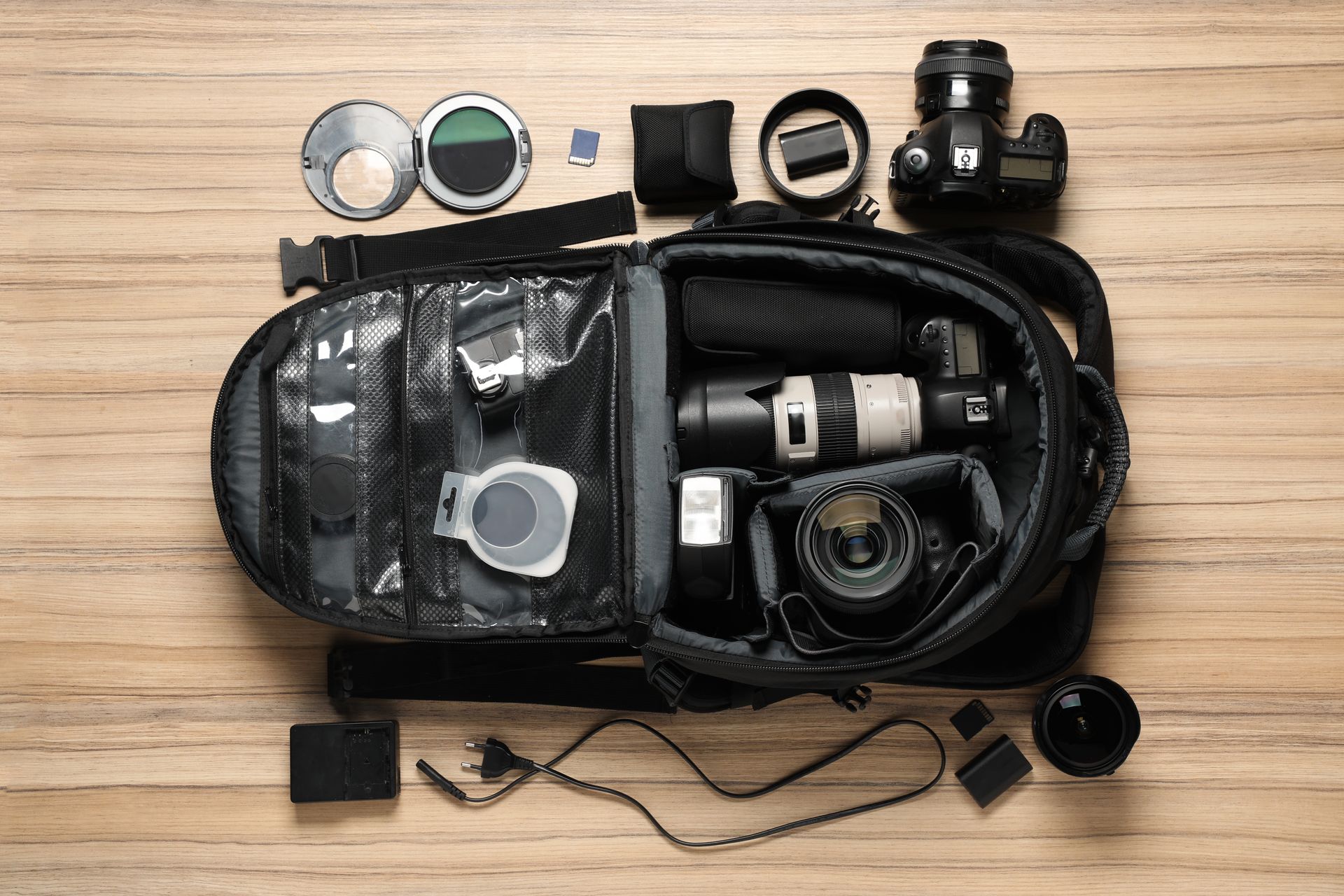
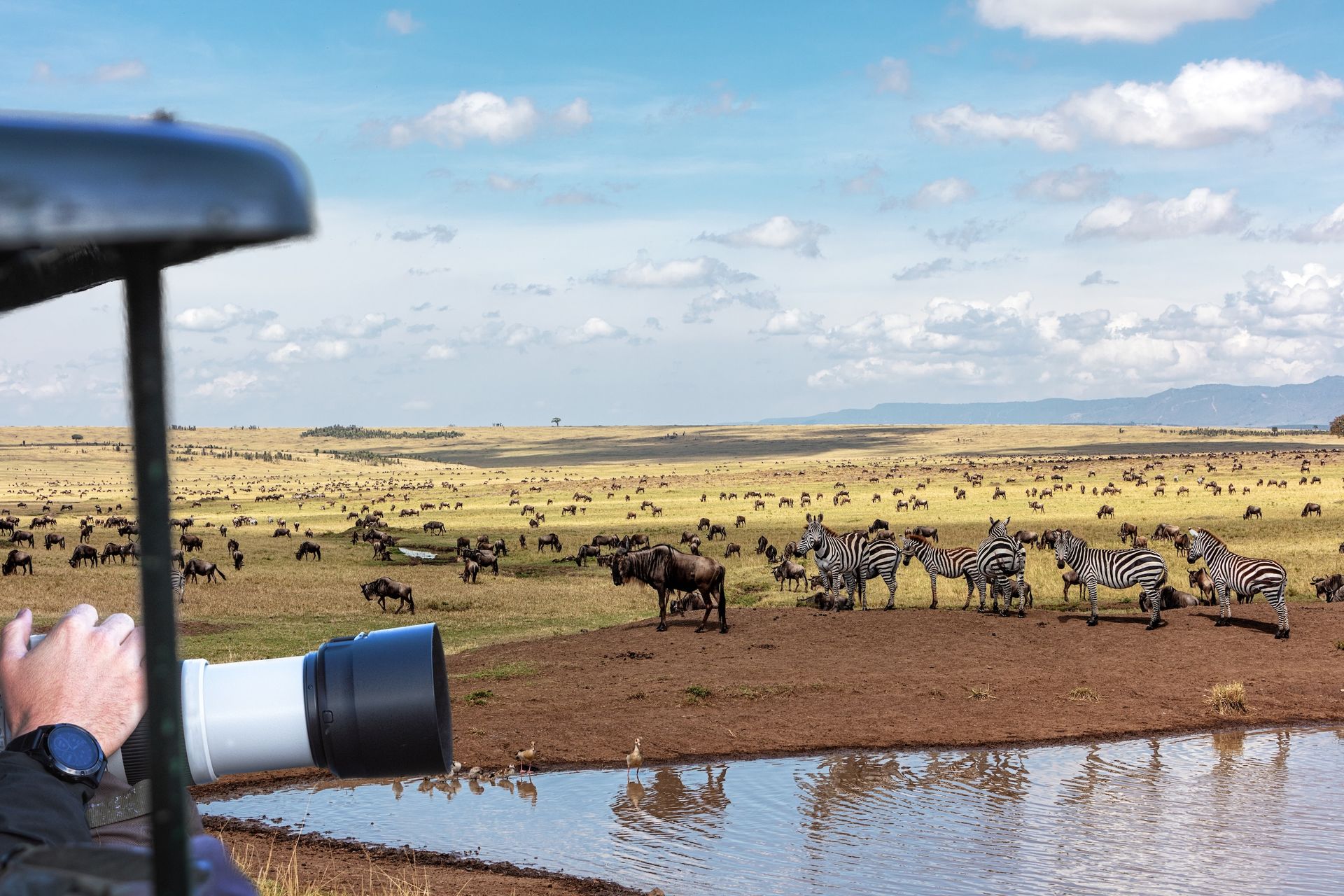
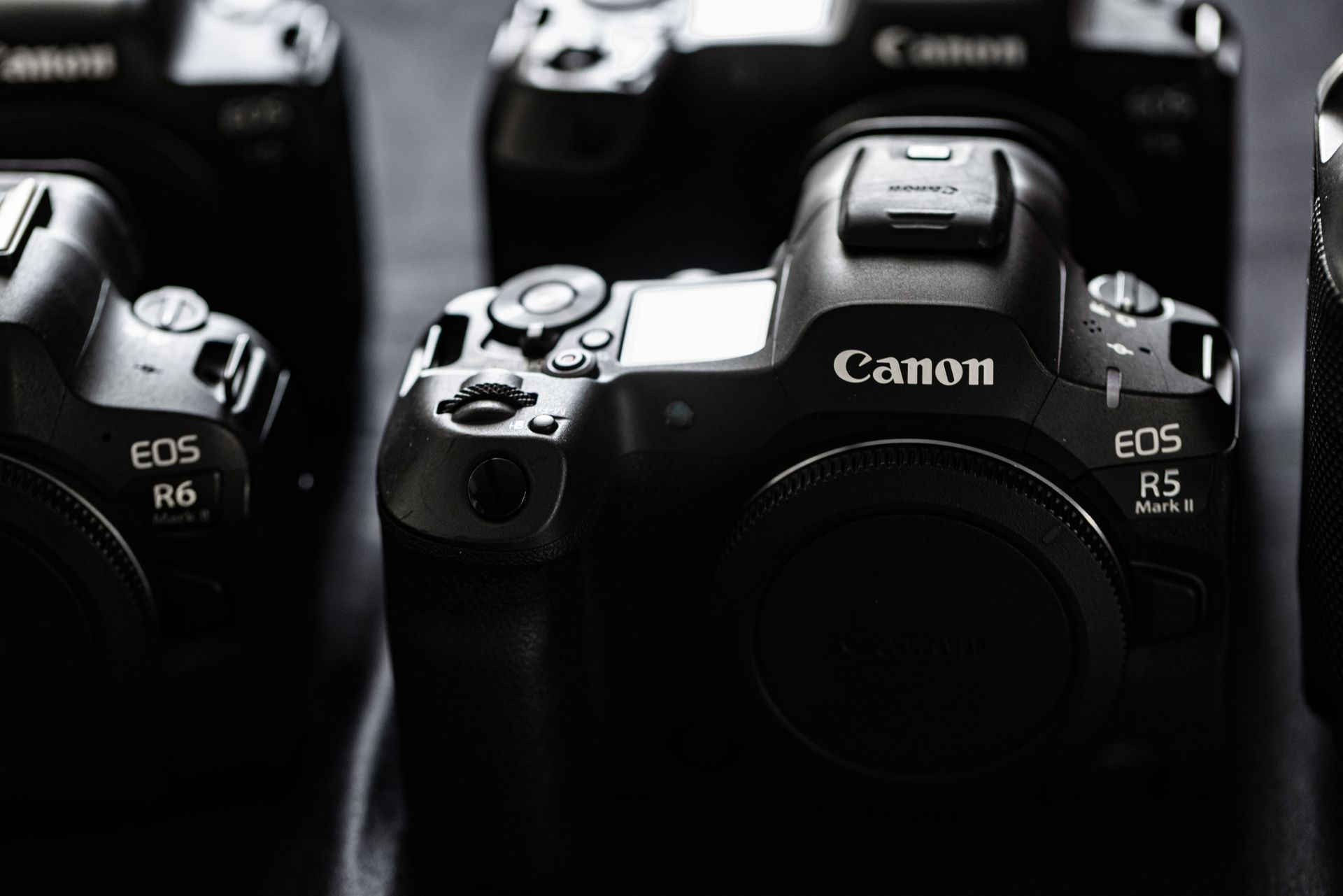
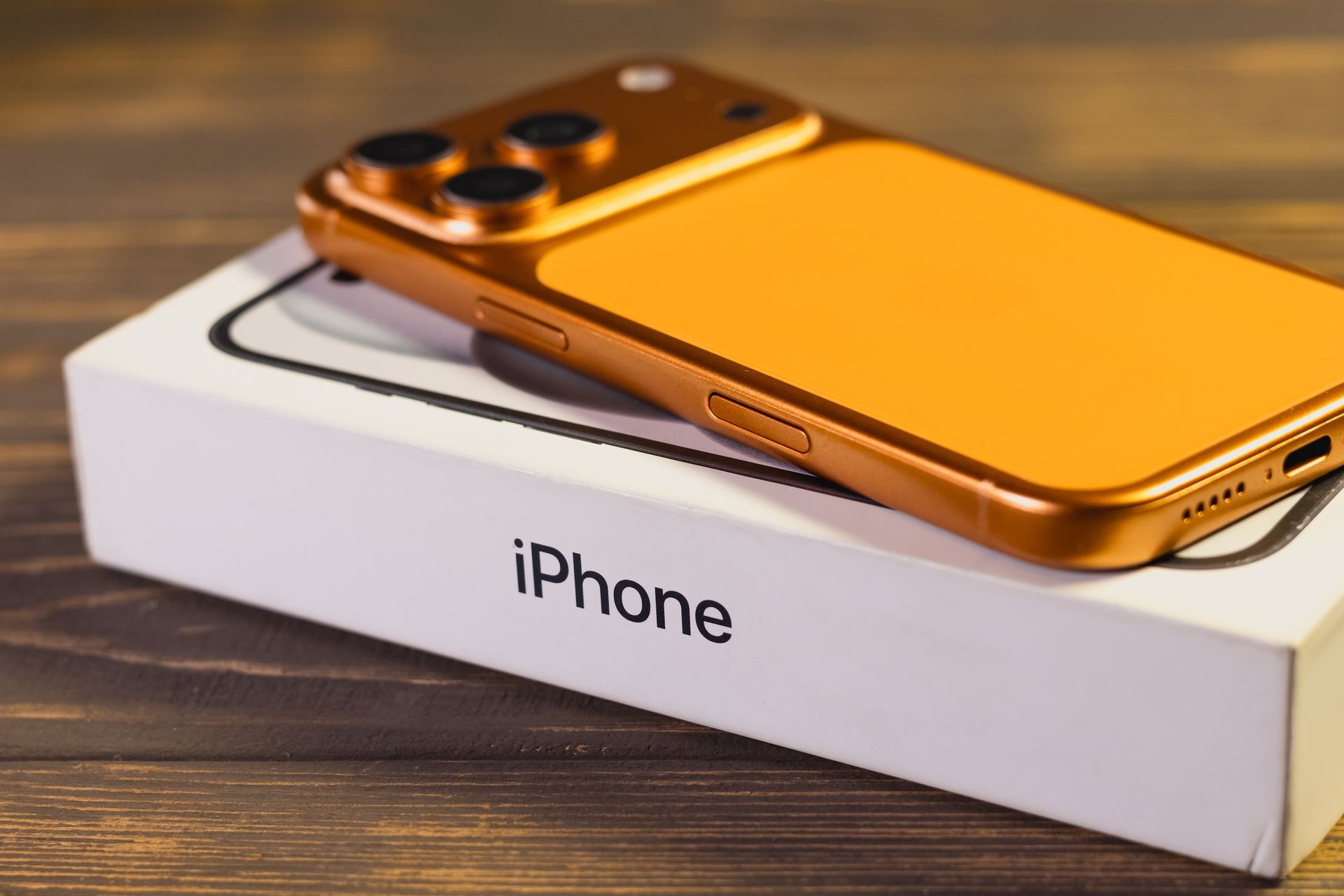
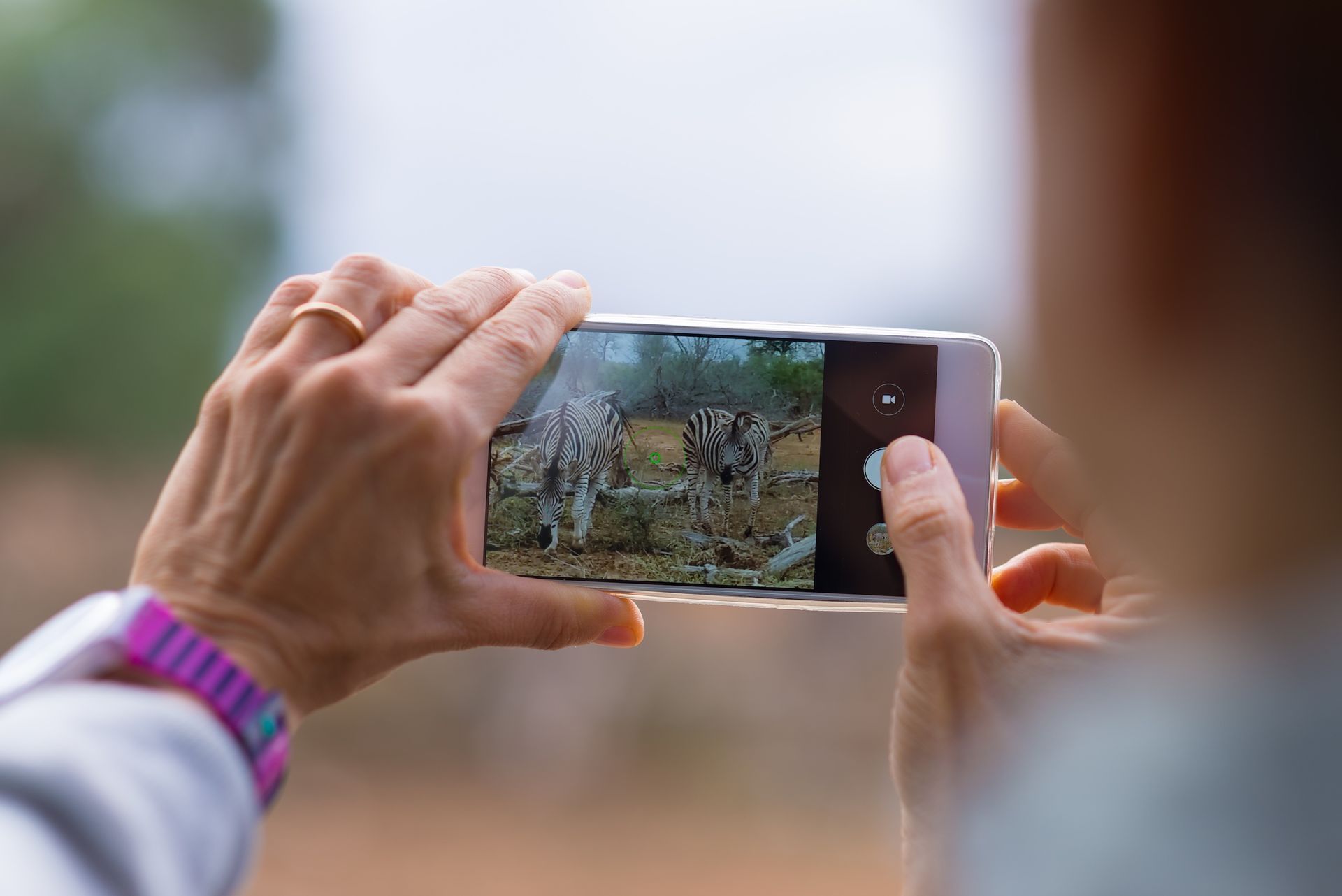
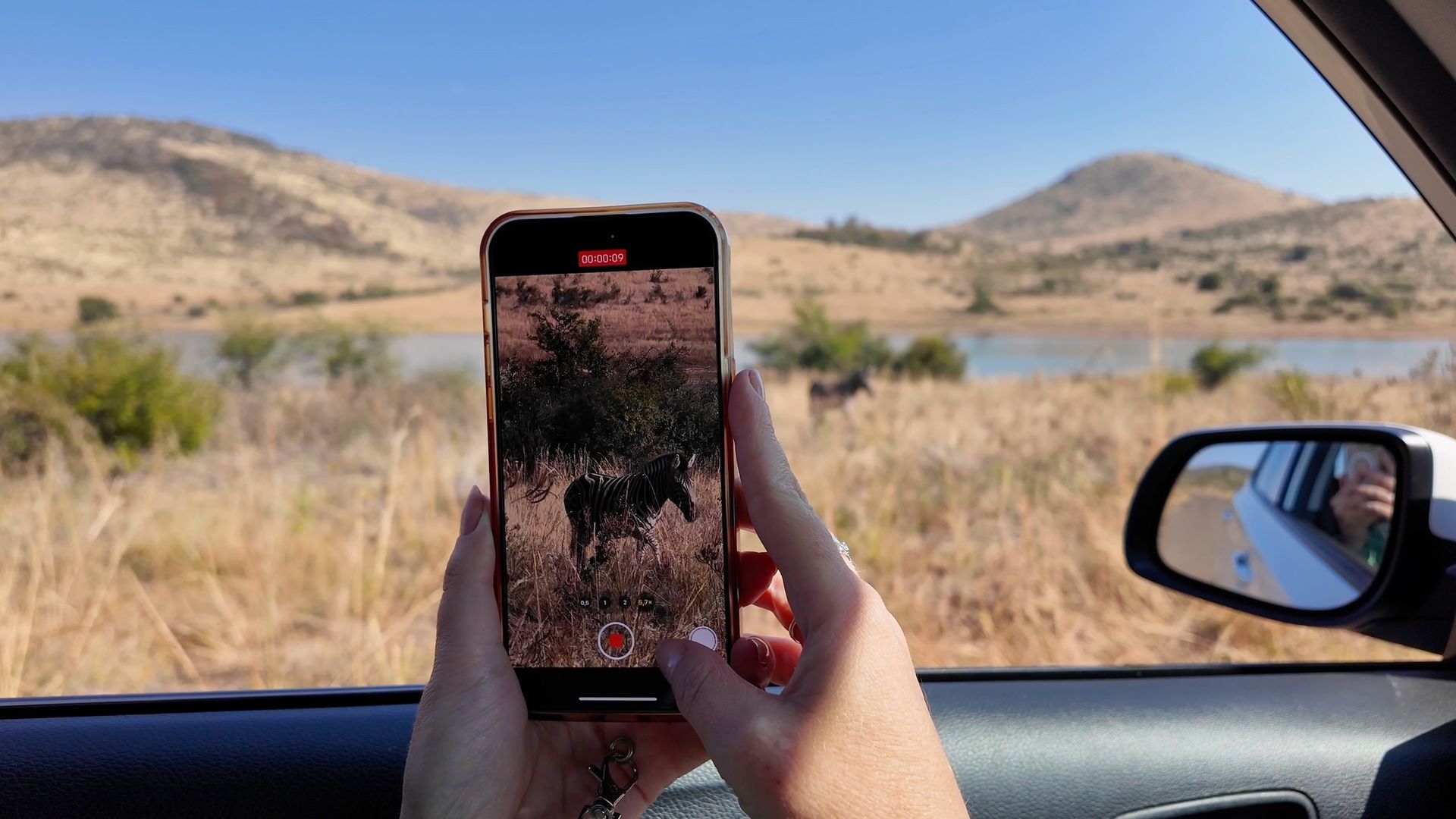
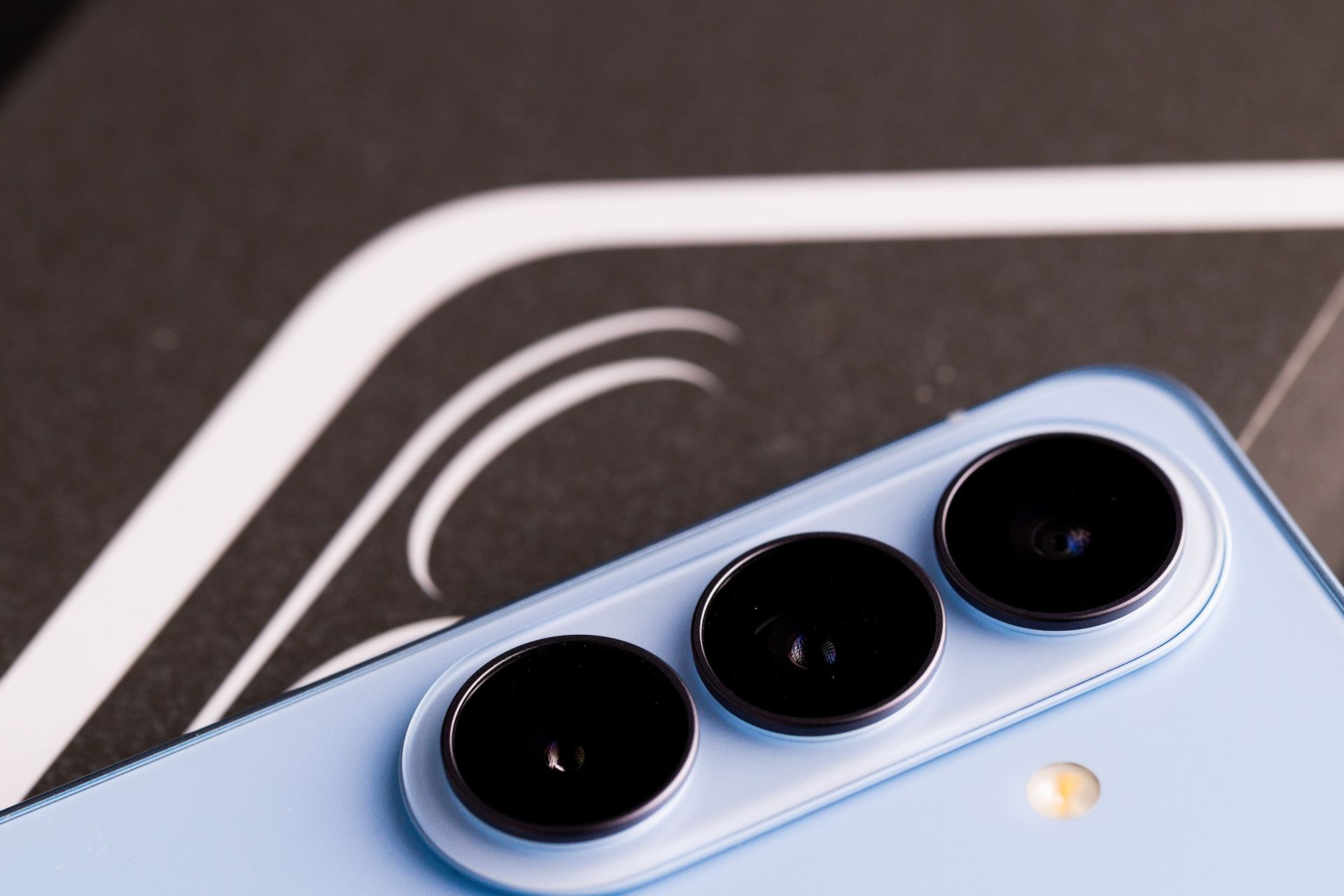
Here is the truth: both of these people are going to come home with incredible images. Africa is, photographically speaking, almost unfairly generous. The light alone is worth the airfare. What matters is knowing how to make the most of whatever you're holding, where to point it and when to put it down entirely and just look.
Choose your destination
What you're shooting changes everything. Not all safari destinations are created equal from a photographic standpoint, and knowing what you want to shoot before you go is the single most useful piece of pre-trip planning a photographer can do.
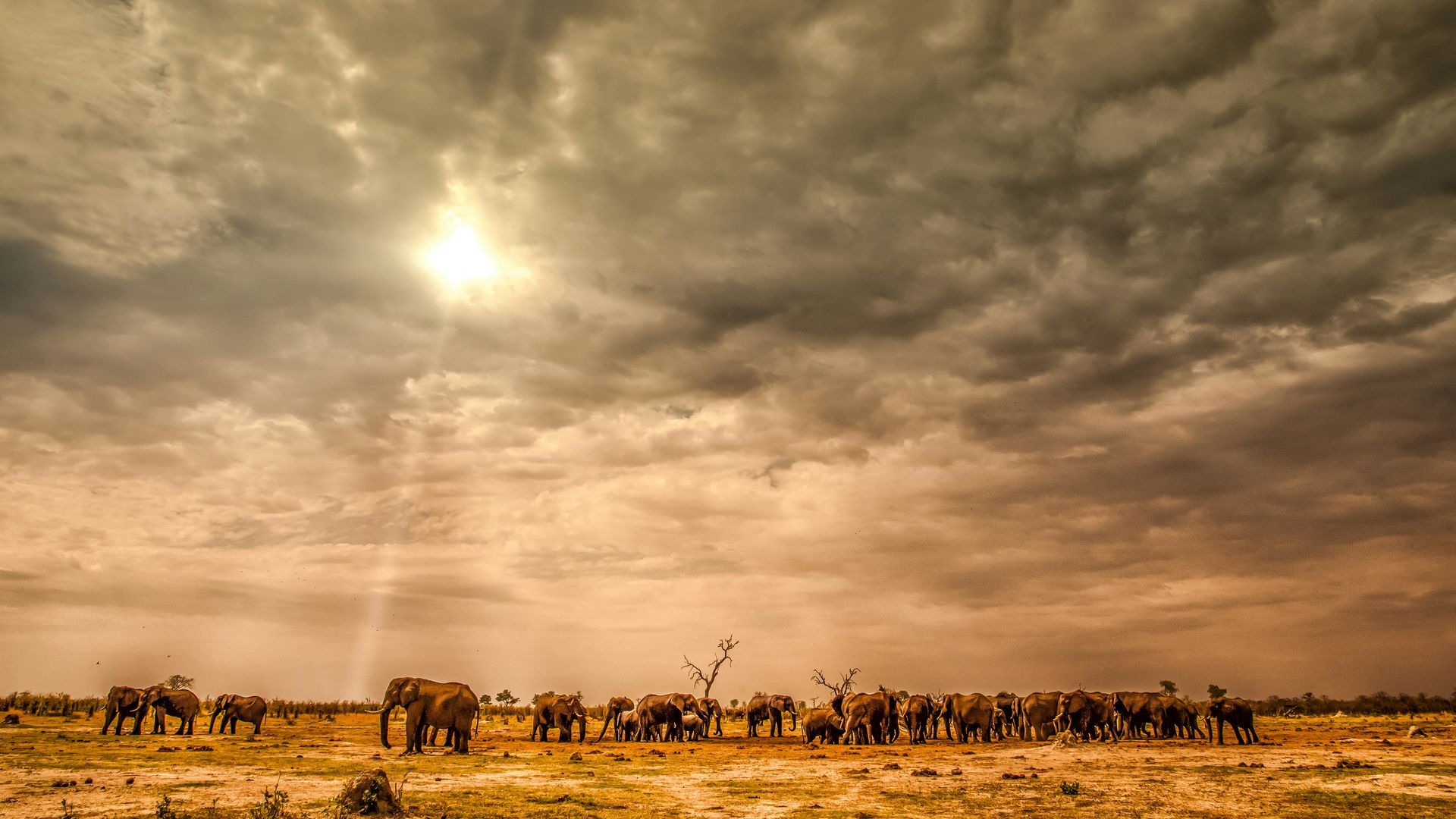
Botswana is widely considered one of the finest wildlife photography destinations on the continent, and with very good reason. The Okavango Delta and Chobe National Park offer extraordinary concentrations of wildlife in landscapes of remarkable beauty and variety, from the open floodplains and reed channels of the delta to the vast elephant herds of Chobe riverfront. The light in Botswana is extraordinary, particularly in the dry season, when dust and golden late afternoon sun do things to the landscape that no filter has ever successfully replicated.
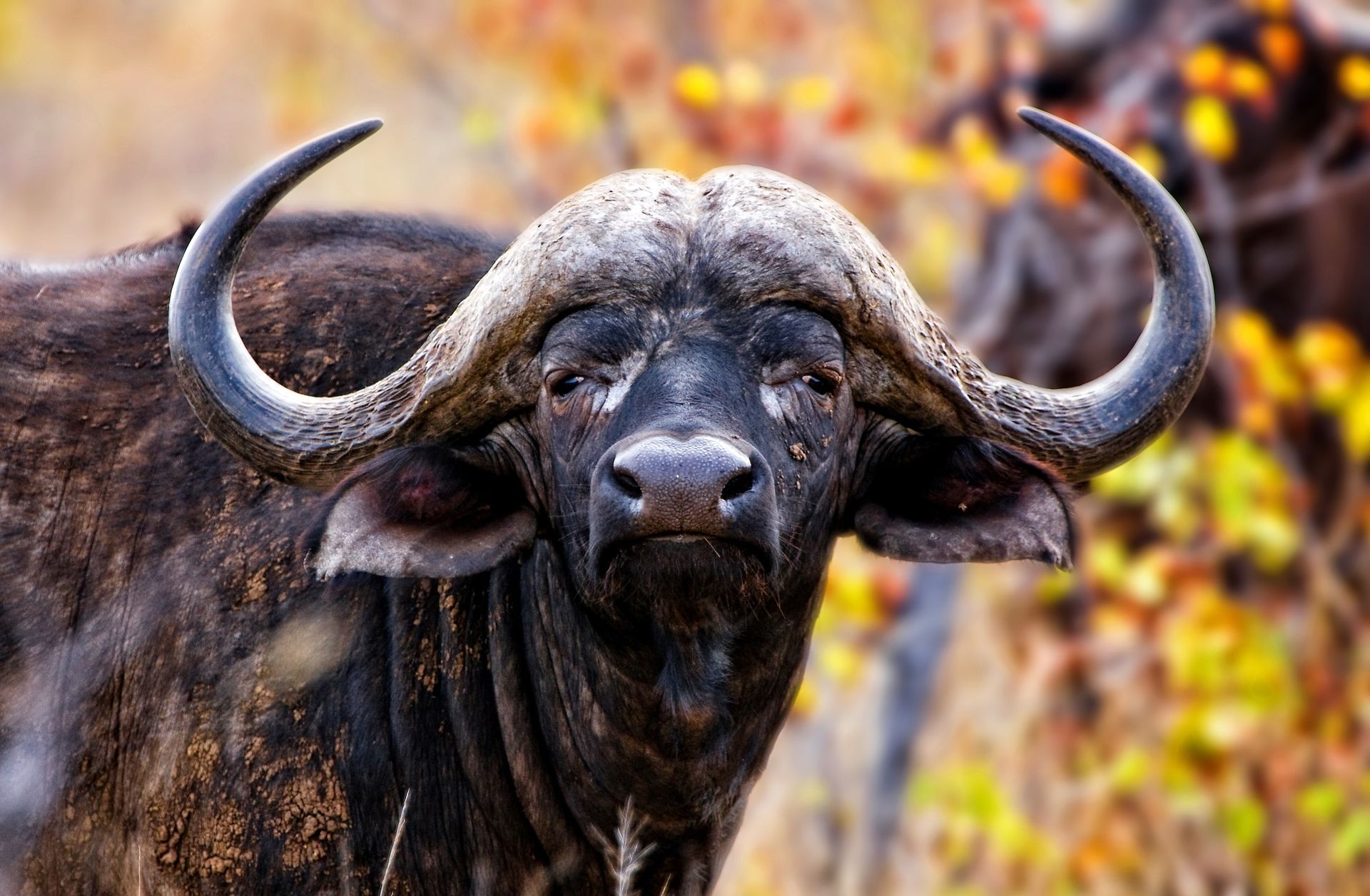
South Africa offers enormous variety within relatively accessible distances. The Kruger National Park and its surrounding private reserves deliver world-class Big Five photography with excellent vehicle access and an infrastructure that makes getting into position straightforward. The private reserves bordering Kruger like the Klaserie, Timbavati and Sabi Sand are renowned for their exceptional leopard sightings at close range in superb light. Beyond the bush, the Cape offers dramatic coastal and landscape photography that has nothing to do with wildlife and everything to do with the extraordinary visual diversity of this country.
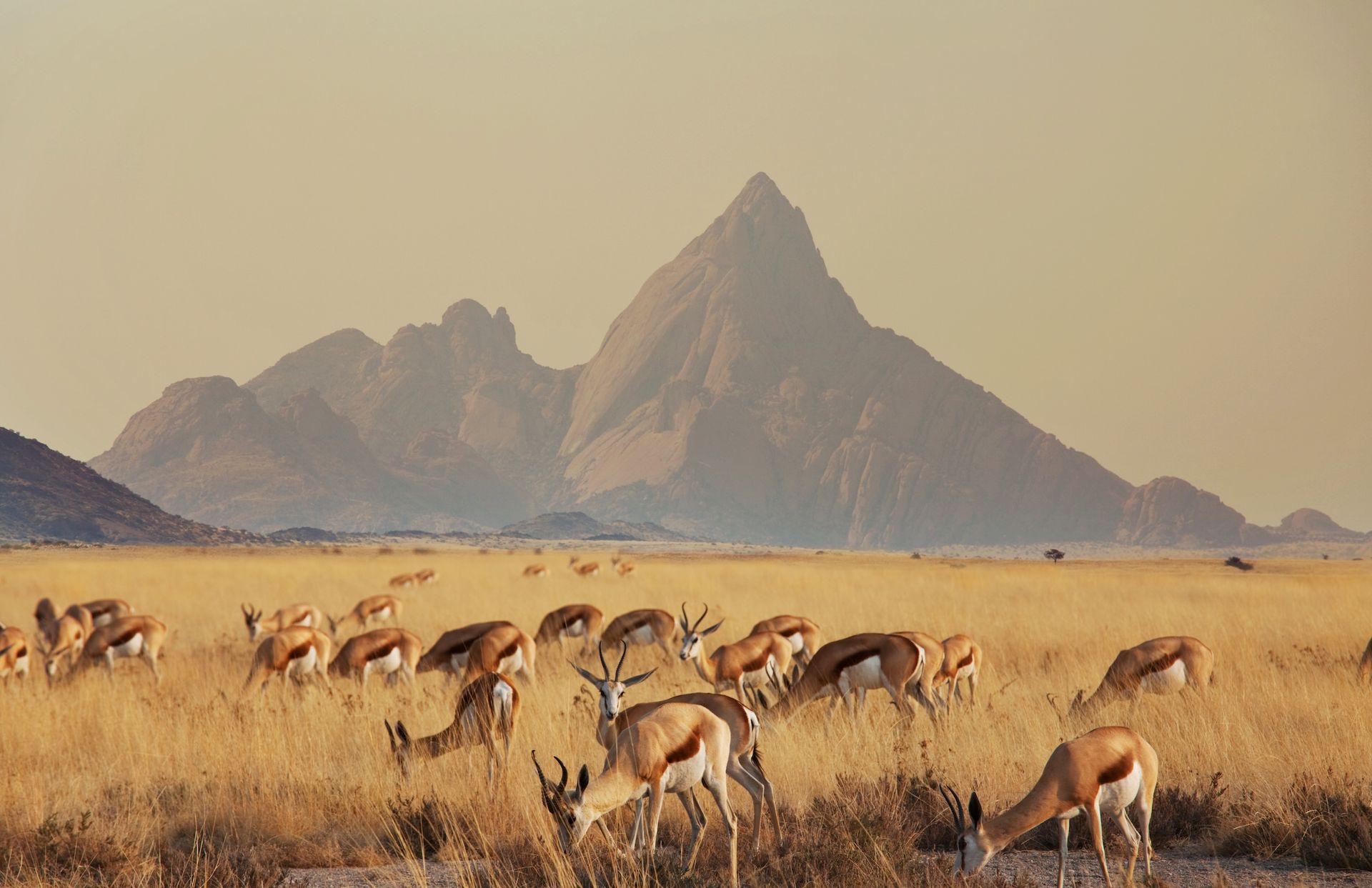
Namibia is, quite simply, one of the most visually spectacular countries on earth and every serious landscape photographer has it on their list. The dunes of Sossusvlei at sunrise, when the light rakes across the sand and turns everything to burnt gold and deep shadow, are among the most photographed subjects in Africa for the very good reason that they are genuinely, stupidly beautiful. The Skeleton Coast, Damaraland's ancient rock formations, the desert-adapted wildlife of Etosha with its white calcrete pans creating a natural studio backdrop... Namibia rewards the landscape photographer as richly as any destination on the continent.
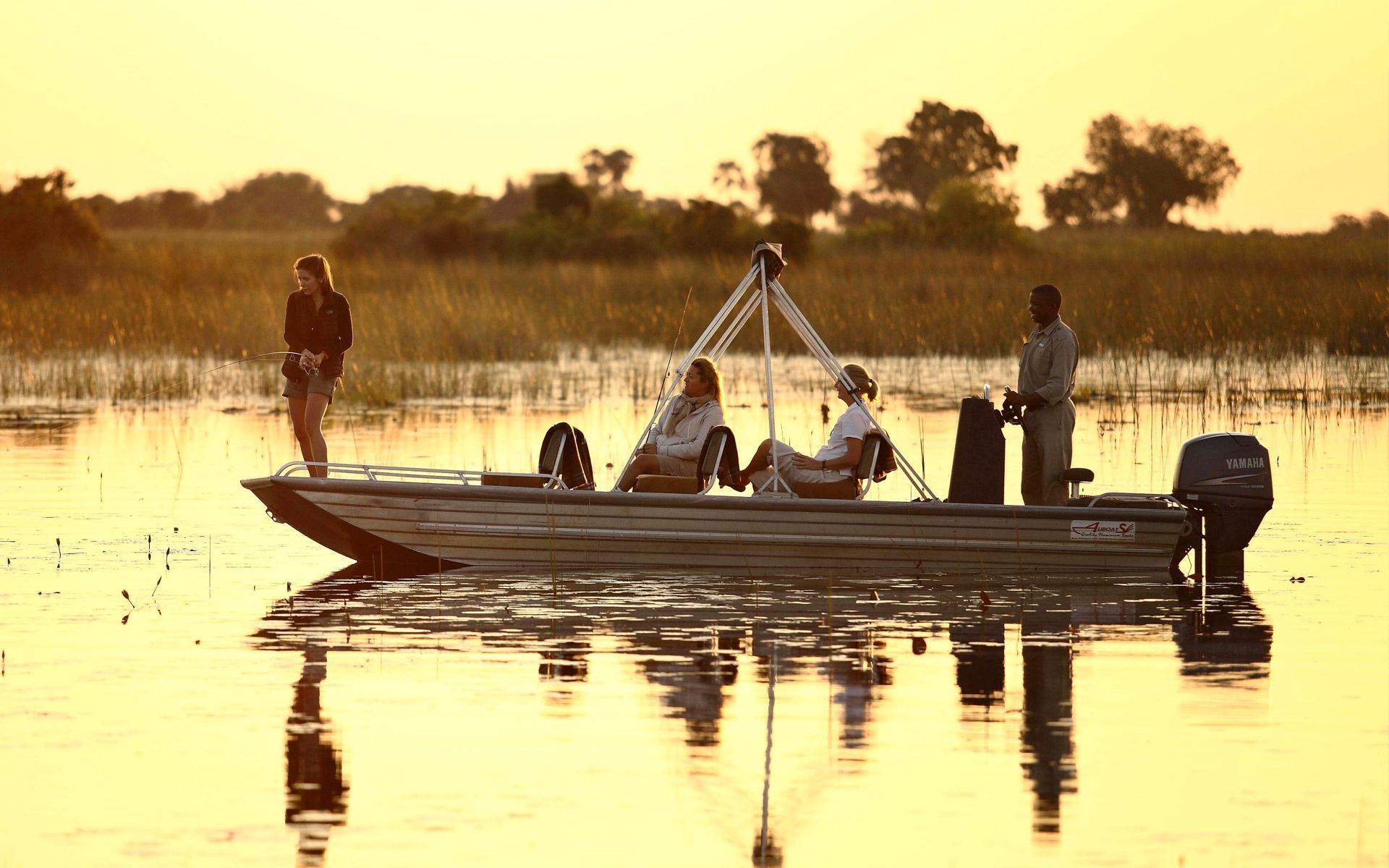
Zimbabwe and Zambia share the Zambezi Valley and all the photographic riches that come with it. Victoria Falls is an obvious highlight, as is Zimbabwe's flagship Hwange National Park and Mana Pools, but the Lower Zambezi and South Luangwa in Zambia deserve particular mention and the walking safaris available in both allow for a kind of intimate, unhurried wildlife photography that vehicle-based game drives simply can't replicate. Add to the mix boat-based safaris in the Lower Zambezi and you have a winner.
East Africa needs little introduction photographically. The Masai Mara and Serengeti deliver the great plains, the big skies and the extraordinary concentrations of predator and prey that have defined the visual language of African wildlife photography for decades. Tanzania's Ngorongoro Crater is a natural amphitheatre of astonishing photographic opportunity. And for something entirely different, Uganda and Rwanda offer the profoundly moving, intimate experience of mountain gorilla photography, where a 60-minute permit feels simultaneously too short and more than enough to change the way you see the world.
The human factor
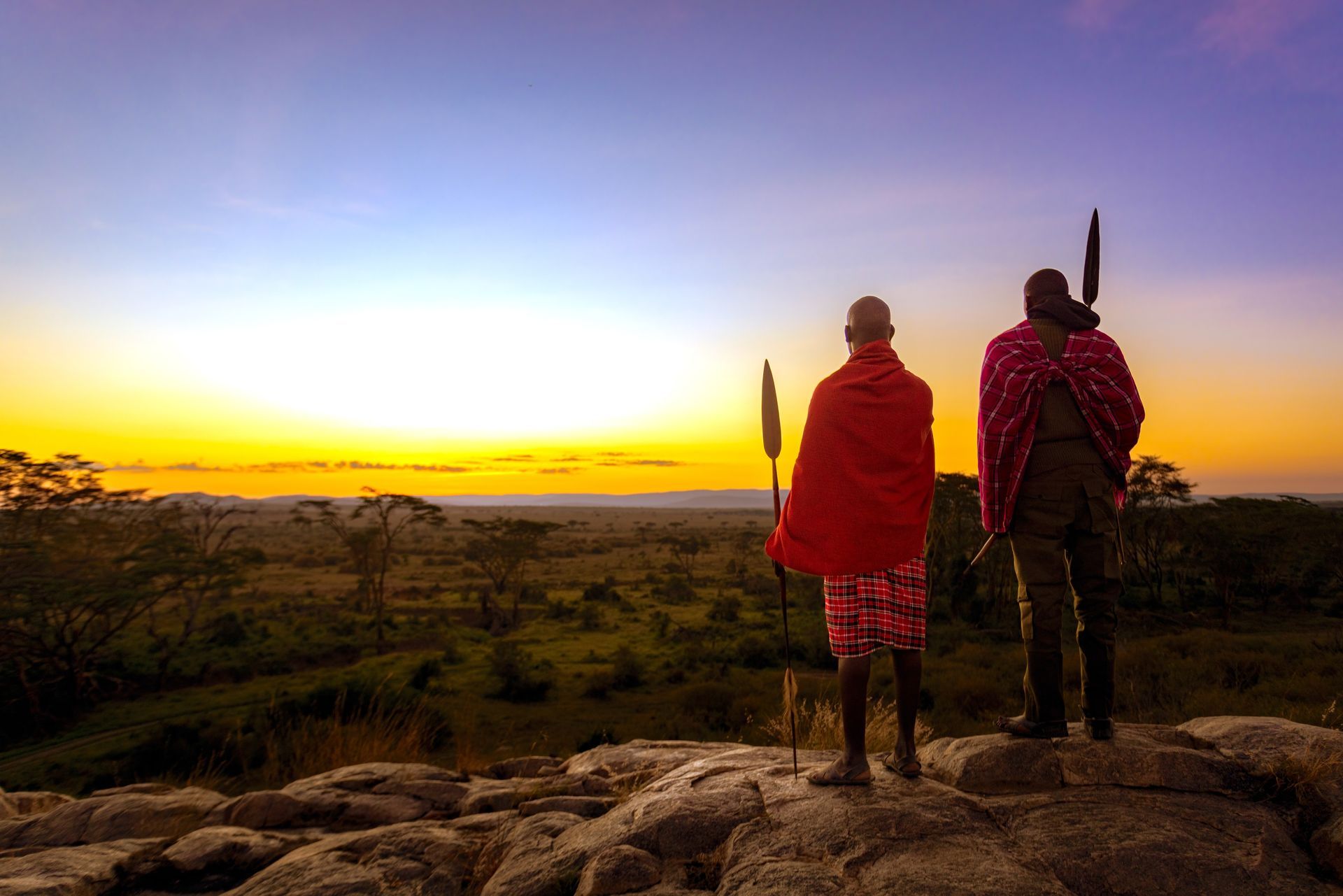
People and culture deserve their own mention here. Africa's human stories are among its greatest photographic subjects and the most underrepresented in the average safari album. The Maasai of Kenya and Tanzania, the Himba of Namibia, the communities of the Zambezi Valley put culture first and photographing people with sensitivity, genuine engagement and proper permission produces images of a depth and resonance that no amount of wildlife photography can match.
Ask your guide. Ask Sian and Cara. Build cultural encounters into your itinerary deliberately and bring the same attention to photographing people that you bring to animals.
The gear
It's all about what you actually need versus what the internet says you need. The internet will tell you that you need a 600mm prime lens, a full-frame mirrorless body, a carbon fibre tripod, seventeen filters and a drone licence for four different countries. The internet is, in this as in many things, somewhat overenthusiastic.
What you actually need depends entirely on what you're shooting and how seriously you're shooting it.
For serious wildlife photography, a zoom lens in the 100-400mm or 150-600mm range on a capable mirrorless or DSLR body will handle the vast majority of safari subjects beautifully. A beanbag is more useful than a tripod on a game drive vehicle and considerably less cumbersome. A second body or a wide-angle lens for landscapes and environmental shots rounds things out without breaking the bank or your back.
For the serious photographer who wants to go deeper, a 500mm or 600mm prime delivers optical quality that zooms genuinely can't match, but it comes with weight, cost and the commitment of carrying something that requires its own emotional support. Know yourself before you invest.
For everyone else, a capable mirrorless camera with a kit zoom and a telephoto option covers the wildlife, the landscapes and the people without requiring a degree in camera settings or a second suitcase. The single most important piece of gear advice for the non-specialist is this: learn your camera before you arrive. Africa moves quickly and the moment you spend fumbling with settings is the moment the leopard decides to walk away.
A good bean bag, a spare battery, a generous supply of memory cards and a lens cloth for the inevitable dust are all more important than any additional piece of glass.
Do not underestimate your smartphone
This needs to be said clearly because a surprising number of people still arrive on safari slightly embarrassed about shooting on their phone, as if it's a confession of inadequacy. It isn't. Modern smartphones produce images of remarkable quality in the right conditions, and on safari the right conditions present themselves constantly.
For landscapes, the current generation of smartphone cameras are exceptional. The wide-angle capabilities of phones like the iPhone 17 Pro and the Samsung Galaxy S series capture the vast, sweeping grandeur of the African bush in ways that a telephoto lens physically cannot, and the computational photography built into these devices handles complex lighting situations with a sophistication that would have required serious post-processing expertise a decade ago.
For video, the smartphone is arguably the superior tool for most safari visitors. The stabilisation, the ease of use, the ability to move seamlessly from photo to video and back again, the quality of the footage in good light — all of it is genuinely impressive and produces the kind of fluid, natural footage that tells the story of a game drive far better than a series of stills ever could. If you want to come home with something that makes your friends genuinely jealous rather than merely impressed, shoot more video on your phone.
For night photography, the most recent smartphones have made extraordinary advances. Night mode on a modern iPhone or Samsung, used on a stable surface or a beanbag, can capture starlit skies and campfire scenes with a warmth and detail that was simply not possible on a phone camera three years ago. Experiment, use a surface to stabilise the shot and give the camera the second or two it needs to do its work.
One more thing on phones: do not be afraid of landscape format on social media. The instinct to shoot everything in portrait for Instagram has led to an entire generation of safari images cropped to within an inch of their lives, losing precisely the vast, horizontal grandeur that makes the African landscape so extraordinary in the first place. The platforms have caught up. Landscape images perform beautifully on Instagram and Facebook now, and a properly composed wide shot of the Okavango at sunrise deserves every pixel it was born with.
Photographic hides: a brief but important mention
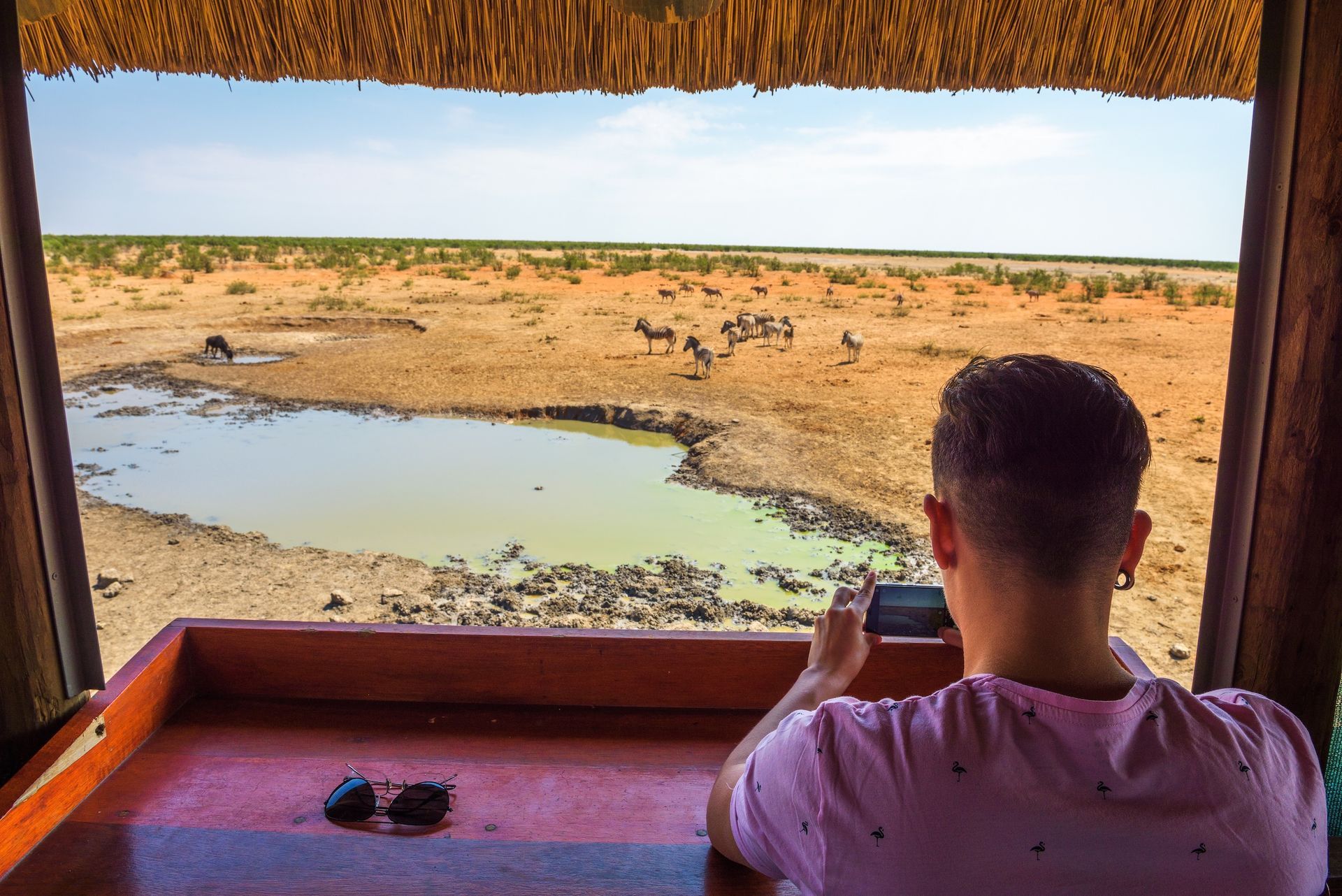
If serious wildlife photography is your goal, Africa's photographic hides deserve a place on your itinerary and a dedicated blog of their own, which is precisely what they're getting next time. For now, know this: there are extraordinary hides across Southern Africa and beyond, at waterholes, rivers and key wildlife gathering points, that place you at eye level with your subjects in a way no game drive vehicle can replicate. Ground level, no engine noise, no movement, just you and whatever decides to come and drink. The results speak entirely for themselves.
The moment you put the camera down
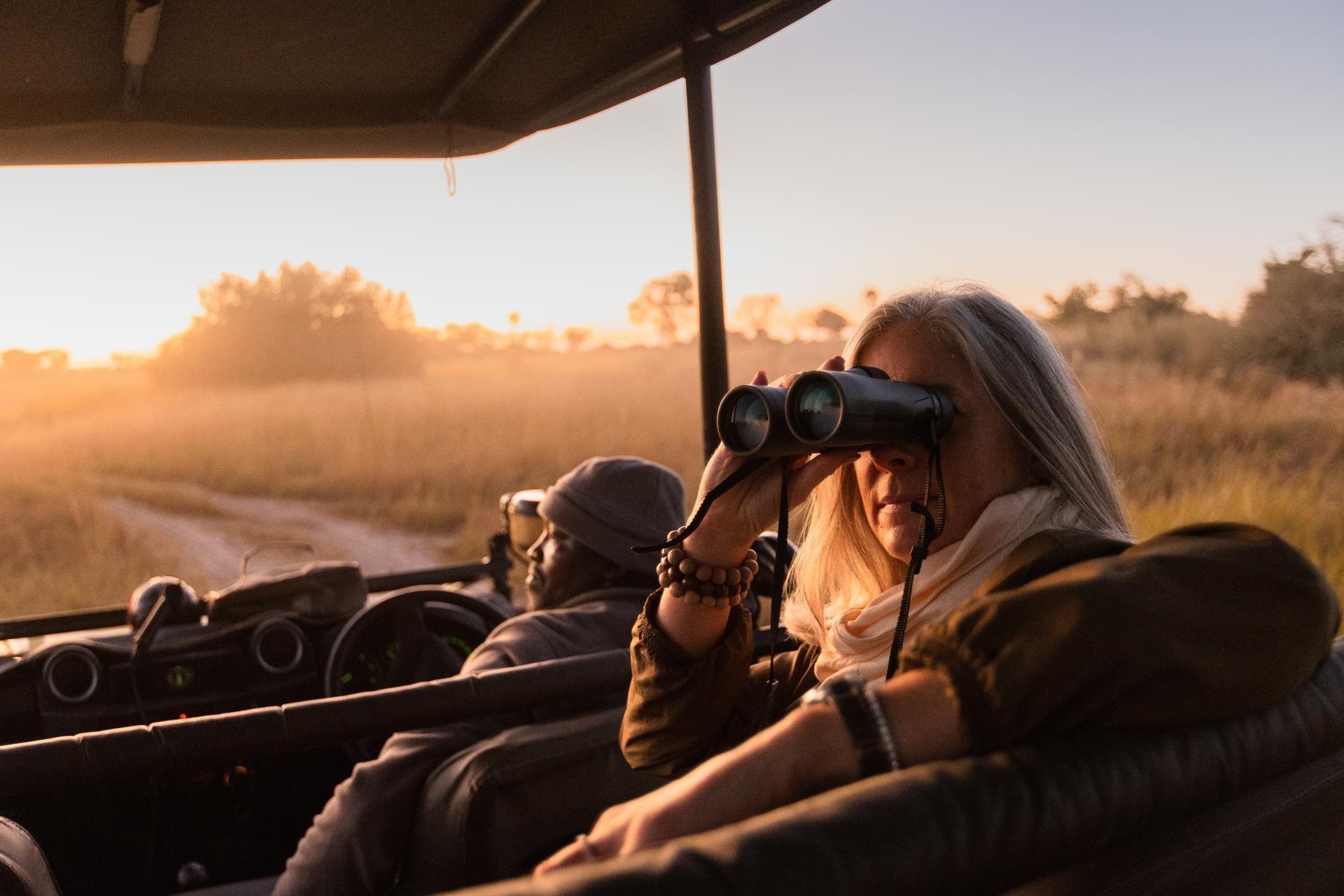
Every experienced safari photographer knows it and every first-timer discovers it eventually: there are moments in the African bush that no camera, however capable, can fully capture. The thing that happens in your chest when a herd of elephants moves past in silence at dusk. The particular quality of the light at five in the morning when the world is just beginning. The campfire, the stars, the sounds. Some of these you photograph and some of these you simply live, and knowing the difference is perhaps the most important photographic skill Africa will teach you.
Come equipped, shoot well and often, use whatever you've got with confidence. And leave a little room for the moments that belong only to you.
Ready to point a lens at the most photogenic continent on earth? Get in touch with us and let's build you a safari worth every frame.
Text: Sharon Gilbert-Rivett