
DISCOVER YOUR BIRD BRAIN
Welcome to the parallel universe of feathered friends
Birding has a PR problem of truly spectacular proportions. Somewhere along the line it acquired an image so thoroughly, so committedly unsexy that entire generations of otherwise adventurous, curious, intelligent people have been actively avoiding one of the most extraordinary wildlife experiences on the planet because they don't want to be confused with someone predominantly beige who owns a flask and uses the word "lifer" in casual conversation. Let's fix that right away...
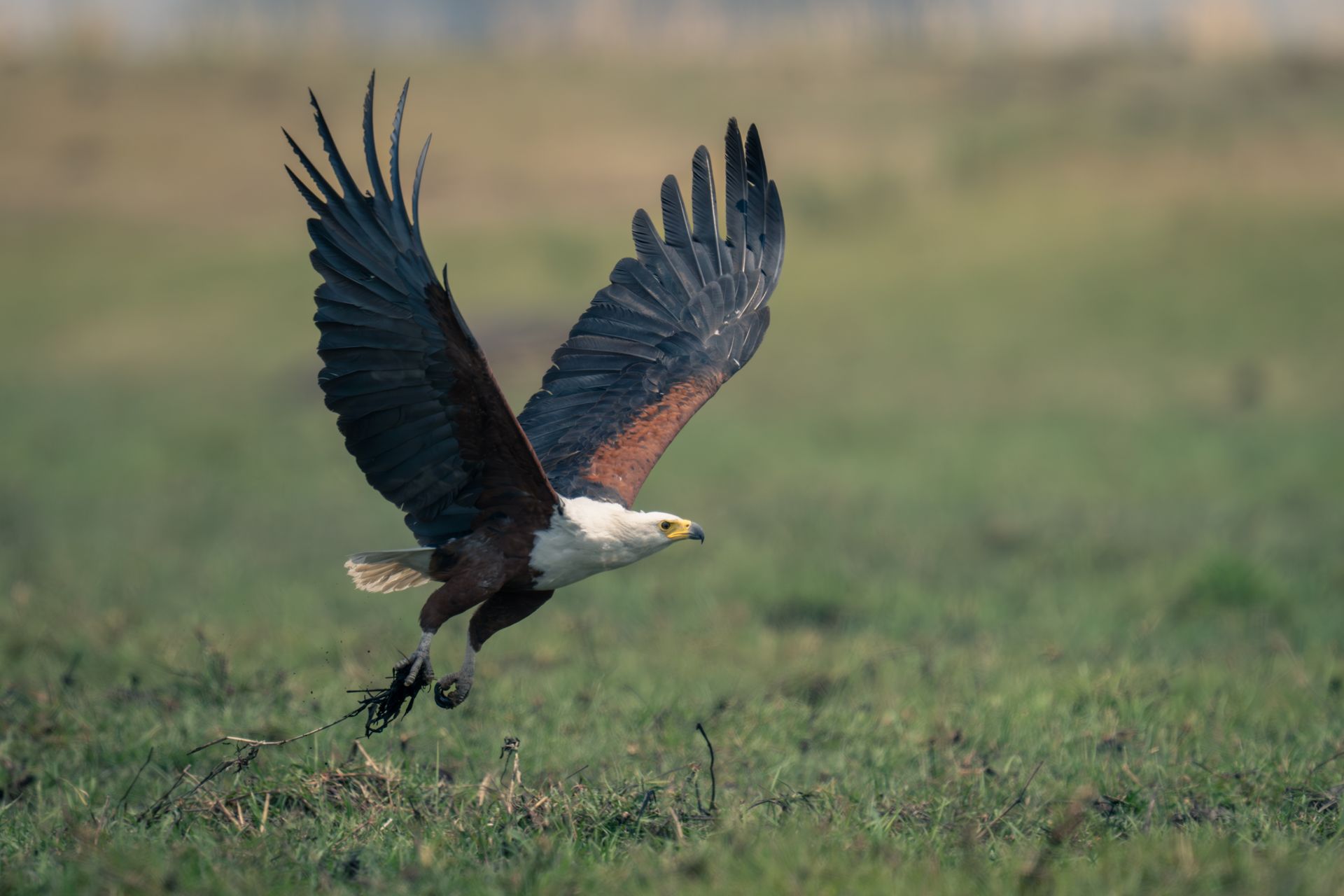
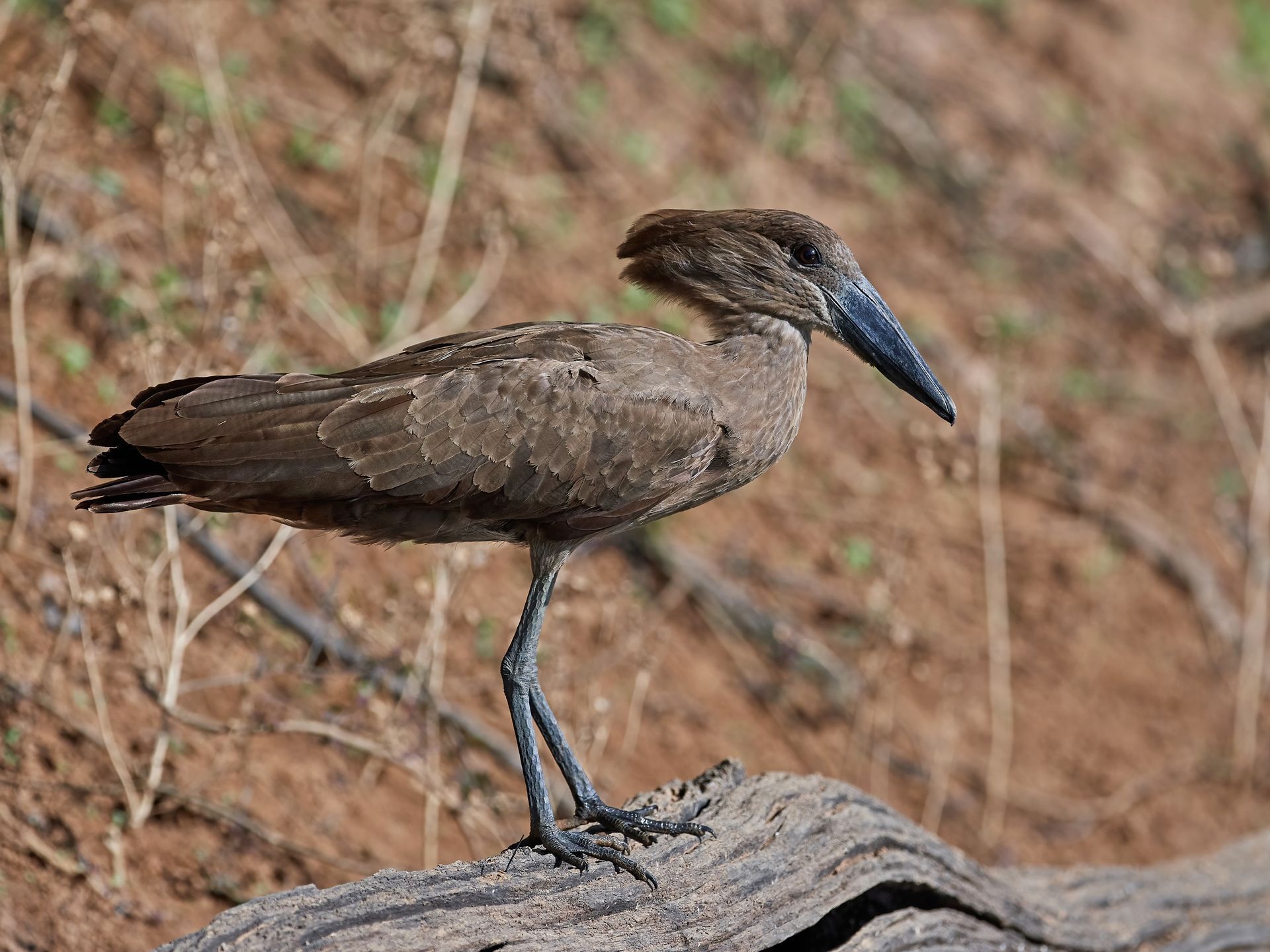
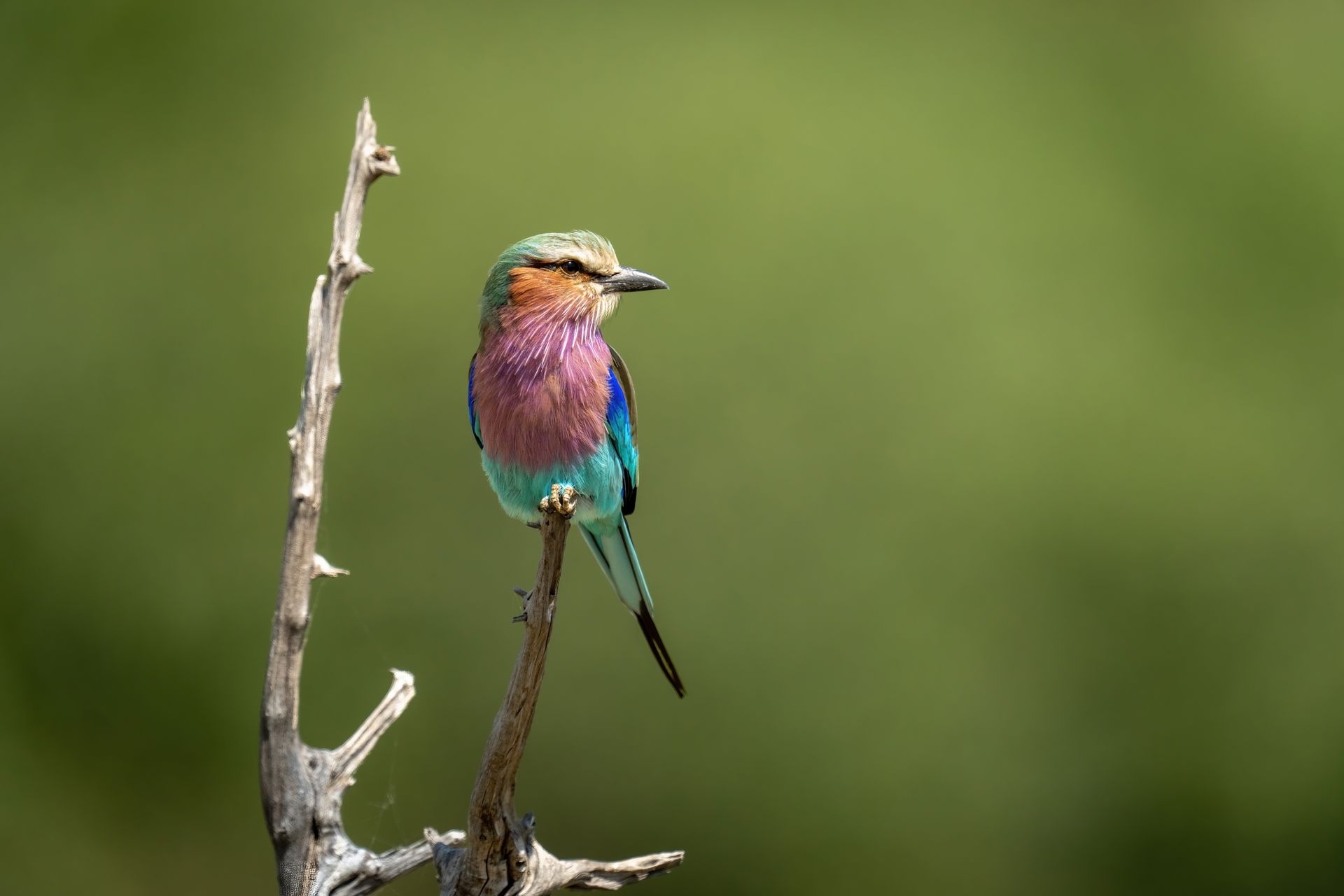
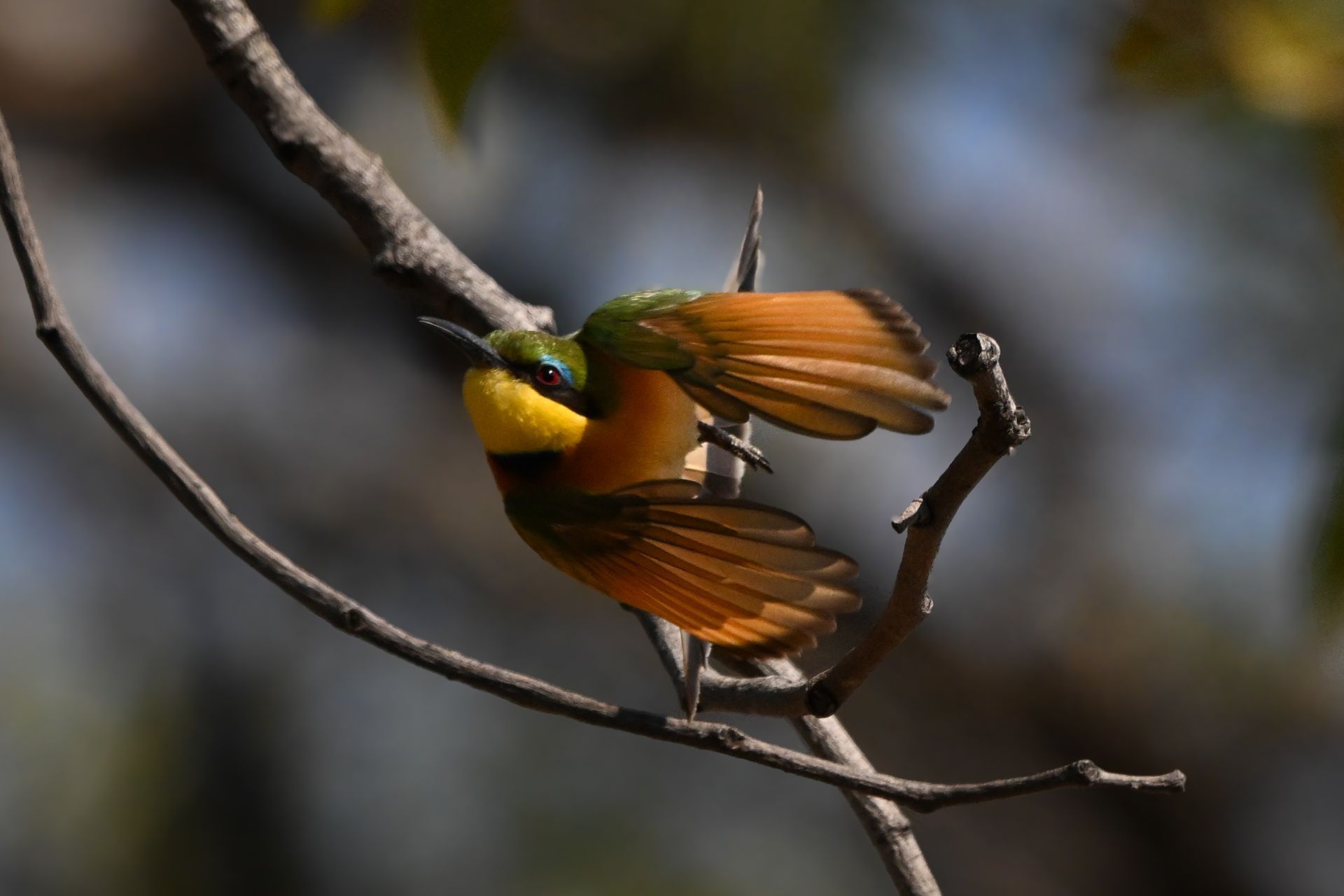
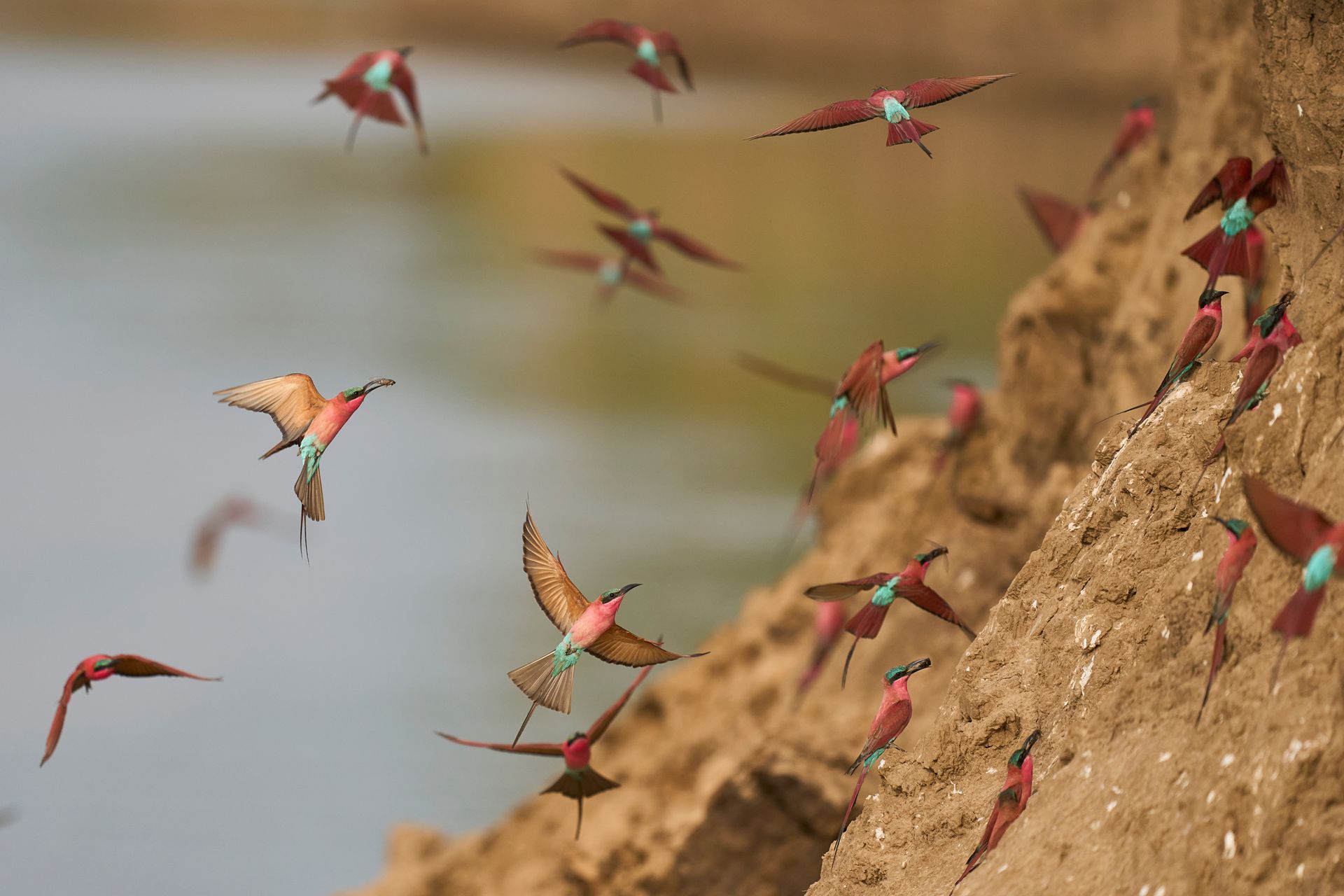
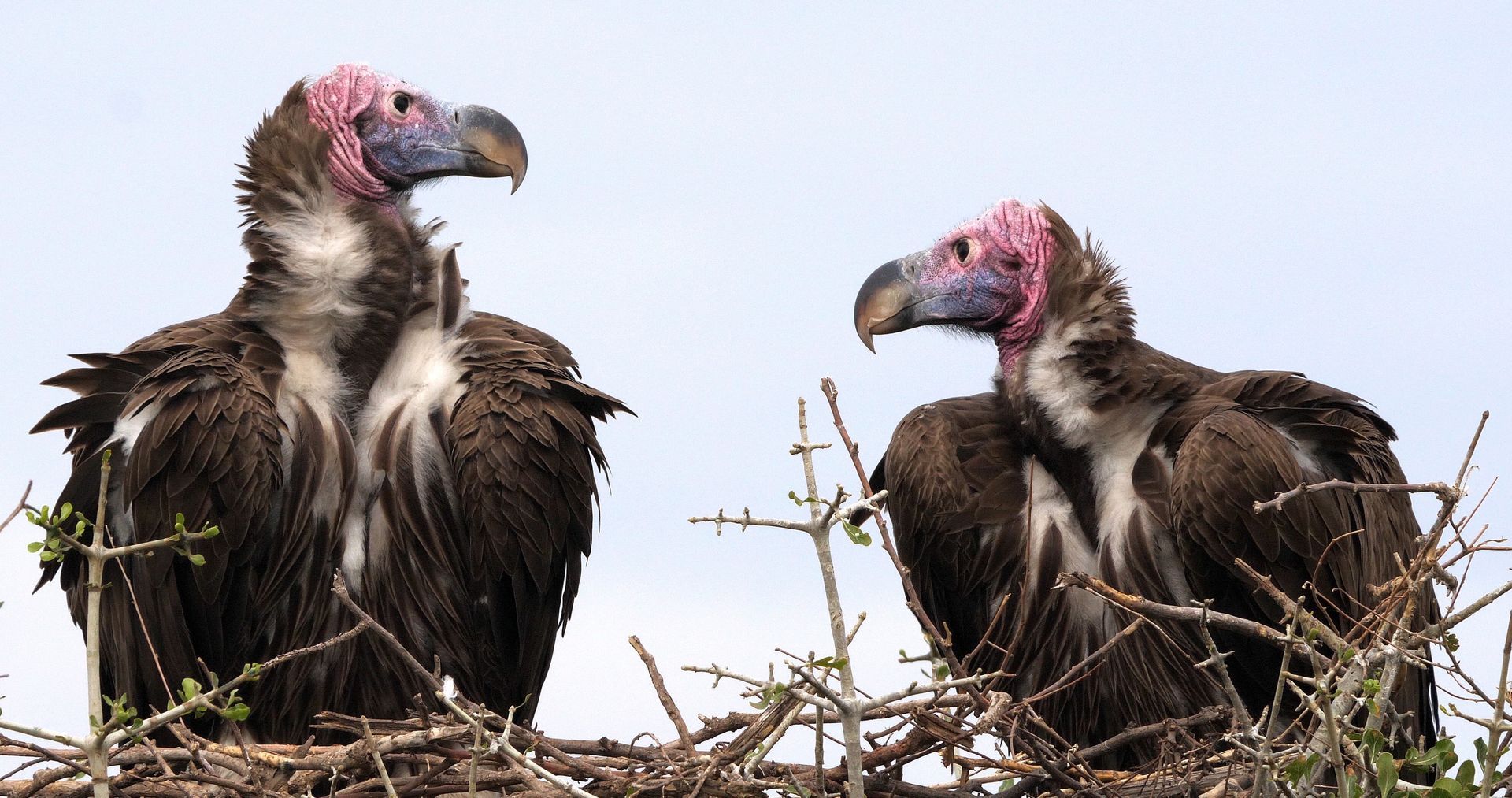
Birds are, quite frankly, Africa's best-kept secret and the tourism community's greatest failure where marketing is concerned. Why? Because once you lift your eyes above the lion-leopard-elephant horizon that the safari industry has been flogging since the dawn of the game drive, what's actually waiting out there in the bush is a parallel universe of phenomenal colour, drama, comedy and flat-out biological impossibility. The result is that when most people engage with birds for the first time they tend to feel genuinely cheated that nobody mentioned them sooner.
The lilac-breasted roller alone should have been in the brochure all along. Eight colours on a single bird the size of a starling, sitting on a branch in perfect light like it knows exactly what it's doing to people. It is, objectively, ridiculous, but it's also completely real, found across most of Southern and East Africa, and it is the bird that converts more reluctant non-birders than any other species on the continent because nobody, absolutely nobody, looks at a lilac-breasted roller for the first time and feels nothing.
What so special about birds?
Well, unlike the usual suspects of the mammalian variety who can be notoriously hit and miss where putting in appearances are concerned, birds, by glorious contrast, are always performing. Like everywhere you go. Every destination, every season, every hour of the day, something feathered is happening within your immediate eyeline and most of it is more entertaining, more colourful and more behaviourally bonkers than anything the mammal world is currently offering. Africa has roughly 2,600 species. Europe, in its entirety, manages around 800. A single good safari destination can deliver more species in a week than a dedicated northern hemisphere birder accumulates in a year of trying very hard indeed.
A casual interest in things feathered is entirely valid and wildly underrated. Nobody is asking you to own a flask, compile a list of LBJs, learn the subspecies variations of African warblers or start using the word "tick" as a verb in polite company. What a healthy, passing, perfectly unserious interest in birds will do is add a dimension to every safari moment that makes the quiet times magnificent, the great times transcendent and the game drives about three times longer because something keeps landing on something else and it turns out you need to know what it is.
Endlessly entertaining
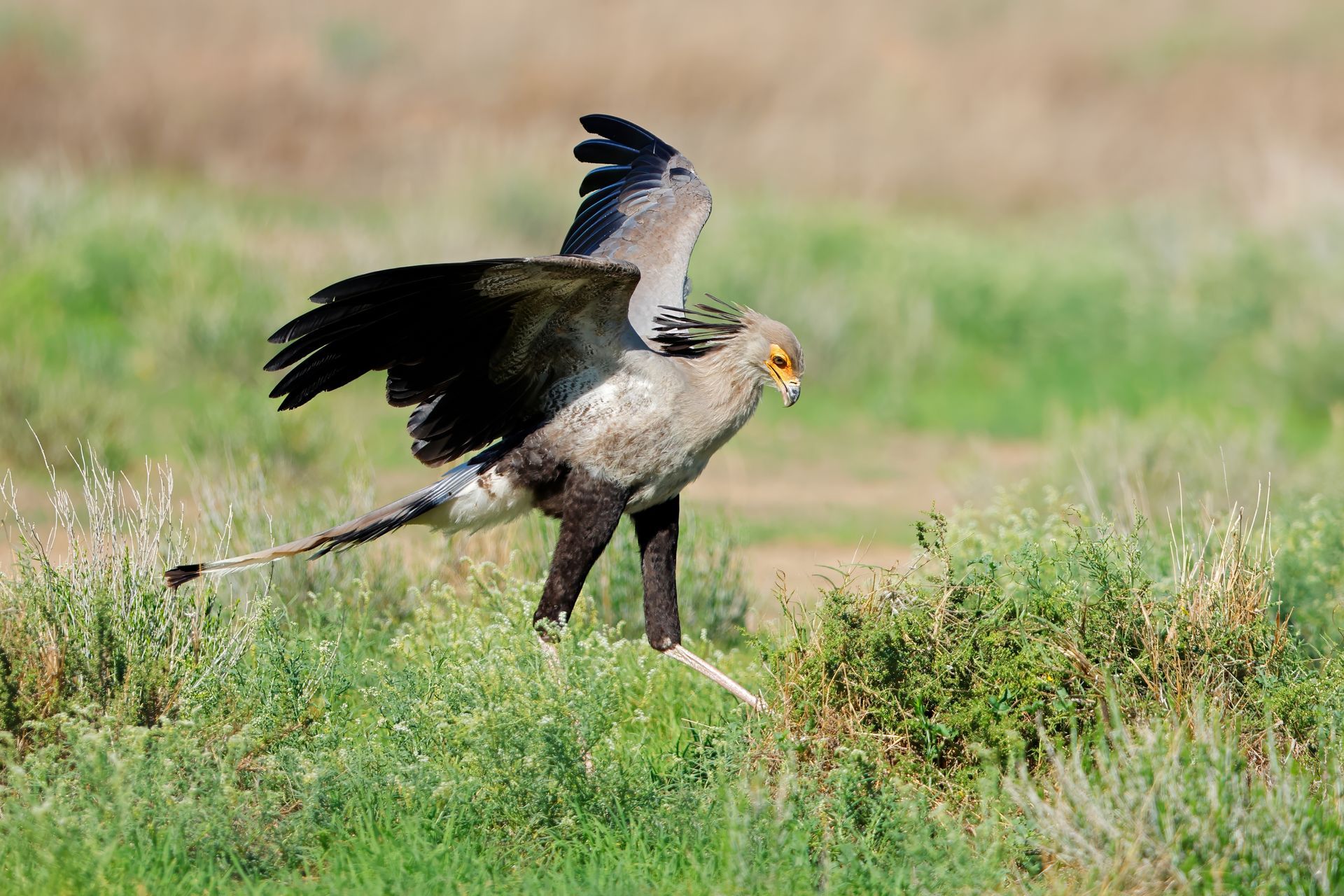
You could not make up half the stuff you discover about birds. And yes, they are the successors of the dinosaurs and if you watch some of them closely enough you'll soon understand why. For example... The secretary bird stamps on snakes for a living. That's right. It hunts by marching through the grass on absurdly long legs and just stamps on things until they stop moving, with the focused, unhurried energy of someone who has been doing this since the Eocene and sees no reason to change the approach. Then there's the hamerkop which builds a nest so architecturally ambitious, so structurally excessive, so gloriously over-engineered for a bird of its size that it looks like a small thatched property from Grand Designs that got out of hand.
The ground hornbill, which is enormous, prehistoric and deeply serious about everything, produces a call so low and resonant that you feel it move through your ribcage before you consciously register it as sound. The African fish eagle does one thing and does it so perfectly, with a call so clear and carrying and utterly, heartbreakingly African, that every single person who hears it for the first time goes very quiet for a moment.
These are not niche interests, they are animals. Extraordinary, funny, beautiful, occasionally deranged animals that happen to have wings, and they are happening all around you on every game drive you have ever taken, whether you noticed them or not.
The gear, briefly and without overwhelming anyone
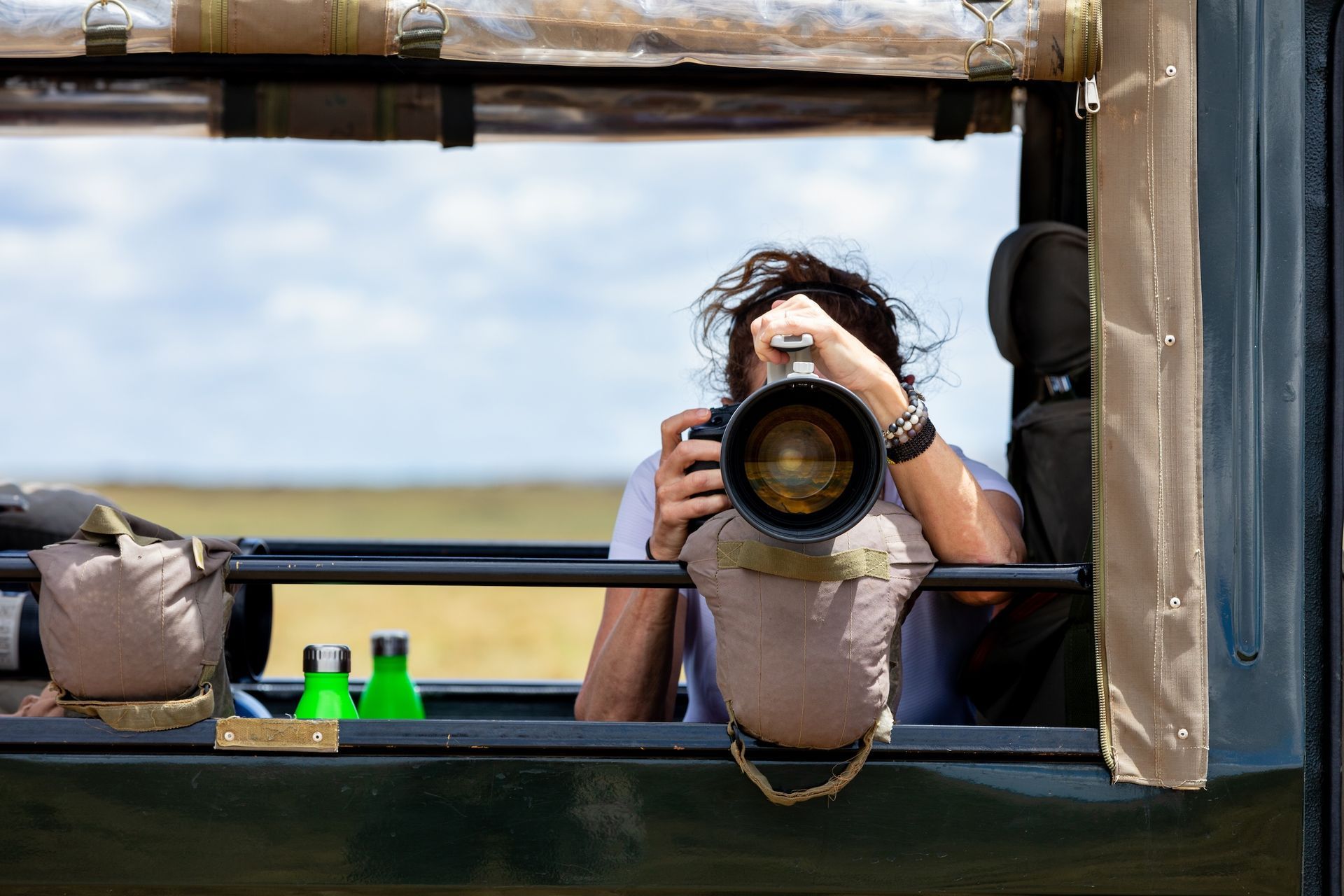
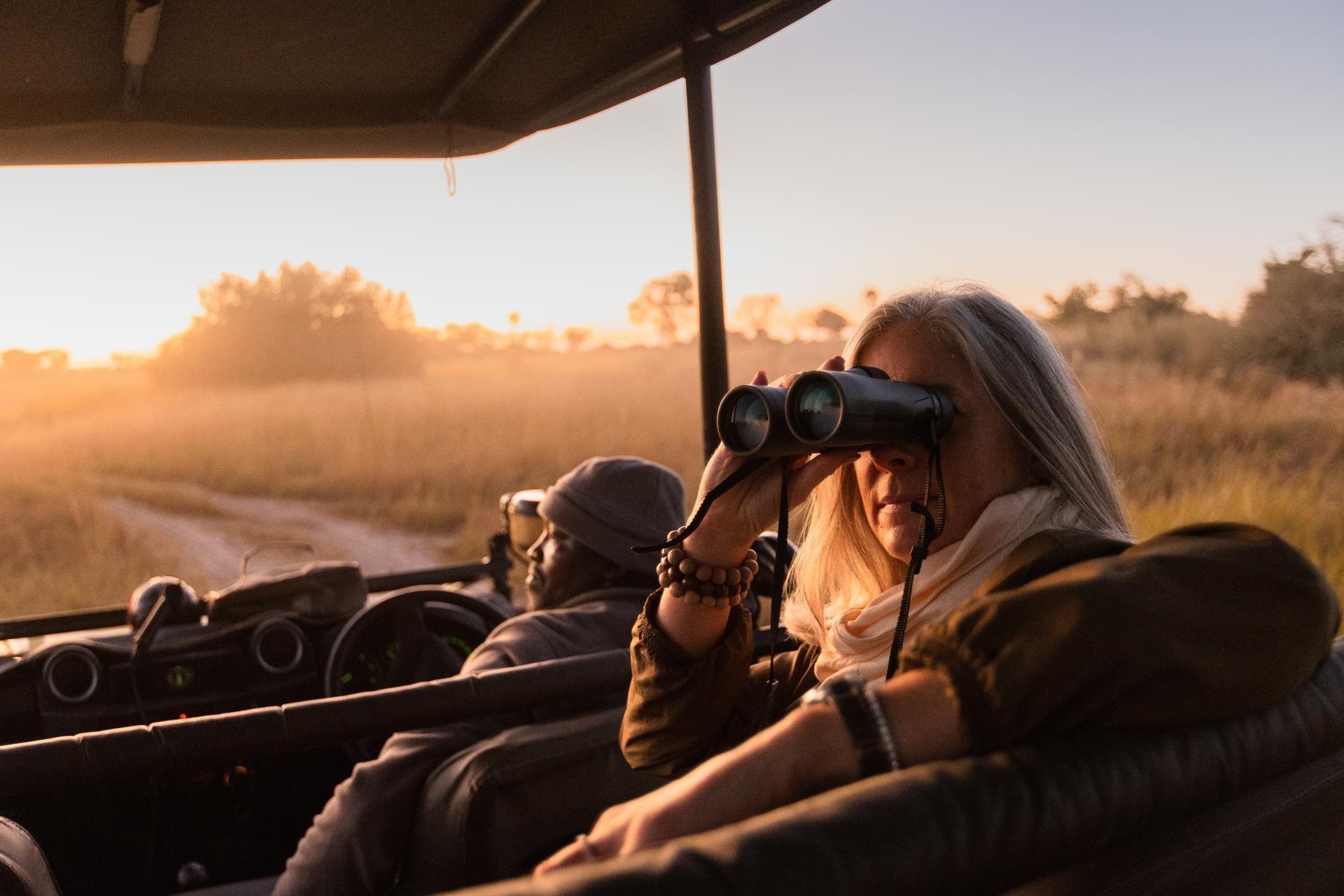
Binoculars are the single piece of equipment that transforms a safari most dramatically and gets left in the bag most consistently, which is one of wildlife tourism's more persistent and easily remedied tragedies. A decent pair doesn't just open up birds. It opens up everything: the detail on a distant herd, the expression on an elephant's face, the leopard in the tree that three people on the vehicle still haven't found.
For safari use, an 8x42 or 10x42 is the configuration that works. The first number is magnification, the second is the diameter of the objective lens. An 8x42 gives a wider, brighter, more forgiving field of view on a bouncing vehicle. A 10x42 gives more reach for the steady-handed.
Nikon Monarch and Vortex Diamondback are genuinely excellent at a price point that doesn't require a conversation with a financial advisor. Swarovski and Zeiss are what happens at the top of the market and the optical quality is, honestly, in a different universe, but they are priced accordingly and you will need to make your peace with that.
On the app front, your phone is going to become your best friend. For Southern Africa get the BirdPro app - it's simply the best there is, closely followed by the Roberts Birds app. BirdPro has a free version, with lots of paid options. Roberts Bird Guide covers Southern Africa beautifully as does Sasol eBirds of Southern Africa. For East Africa go with eGuide to Birds of East Africa. All of it fits in your pocket, none of it requires sensible shoes or twitching (look it up, it's a thing).
Suddenly interesting
The thing is about birds is that they were always there, on every game drive you've ever done. In the tree above the sleeping lion, along the bank where the hippos were yawning, at the waterhole while you waited for the elephant herd to finish drinking. They were doing extraordinary things in full view and asking nothing in return except a moment's attention. You just ignored them but here's hoping that after reading this you won't make that mistake again.
So, remember to look up occasionally. Bring the binoculars and take them out of the bag. Let your guide tell you what's happening in the canopy above you and actually listen. A healthy interest in birds won't change who you are, or mean a new wardrobe of mostly brown knits and twill. It will simply mean that everywhere Africa takes you, you're going to see all of it instead of most of it. And all of it, it turns out, is considerably more than you thought!
Ready to see Africa properly, feathers and all? Get in touch with Sian and Cara at Zafaris and let's build you a safari worth every last species.
Text: Sharon Gilbert-Rivett