LOST IN TRANSLATION
Our guide to what safari buzzwords actually mean
We've been mulling this one over for some time now, in our own, unique, and sass-filled fashion. The African safari industry has a language problem... Somewhere between the genuine wonder of the experience and the content-creating folks tasked with selling it, something went badly wrong, and the result is a lexicon of words so thoroughly overused, so comprehensively stripped of meaning and so spectacularly detached from reality that reading most safari brochures, websites and social media threads requires a translation guide just to establish what's actually on offer...


At Zafaris, we've had enough of the claptrap and the lazy phrasing and want to set the record straight. Consider this our glossary...
No 1: Authentic
Let's start with the big one: Authentic safaris. As in authentic experiences, authentic Africa, etc etc. It's on every website, in every brochure, in approximately 40 percent of all safari company taglines including, we'll be honest, our own. But here's the question nobody seems particularly keen to answer: what exactly does an inauthentic safari look like?
Are the animals fake? Is the wilderness a film set? Is the elephant you're watching a very convincing puppet operated by underpaid drama graduates? Because if the lions are real, the bush is real and the experience of being in the middle of wild Africa is genuinely happening to you, then it's authentic by definition, and the word is doing precisely nothing except filling space on a page.
What people mean when they say authentic, if they mean anything at all, is that the experience feels real rather than staged, that the cultural encounters involve actual communities rather than (paid) performance troupes, and that the wildlife is doing what wildlife does rather than being herded past your vehicle on a schedule. Which is simply the minimum standard any decent safari operator should be meeting as a matter of course, not a differentiating selling point requiring its own adjective.
No 2: Immersive
As in "You will be immersed in the African wilderness" or "The experience is deeply immersive," or "Prepare for total immersion".
In the safari context, immersive apparently means that you'll be quite close to nature rather than looking at it through glass from a temperature-controlled coach, which again seems like a fairly basic description of what a safari fundamentally is rather than a special feature worth advertising. You're in an open vehicle (or specially designed game viewer if you're in East Africa), in a national park (or protected area), in Africa. The immersion is, one might argue, somewhat given, n'est pas? Unless the promise of immersion is literal, in which case we'd like a word with the safety team.
No 3: Transformative
Every safari is transformative now. Every. Single. One. You'll arrive as one person and leave as another, presumably better, version of yourself, having been transformed by the power of the African wilderness into someone with a deeper connection to the natural world and a significantly more interesting Instagram feed. Karens become Kaitlyns, presumably, Kens become Mikes, and everyone is left humbled by the process, so forget ego, pride, selfishness or vanity, because Africa will wave her magic wand and banish them from your lives, turning you into wonderfully empathetic saints who will never drop F bombs again. Like ever.
Africa does change people, genuinely and sometimes profoundly, and we've seen it happen enough times to take it seriously. But the word transformative, deployed in a brochure alongside a photograph of someone standing on a dune with their arms spread wide, has been so catastrophically overused that it now means roughly as much as the word nice. If every safari is transformative, none of them are, ergo the word has eaten itself.
No 4: Curated
As in... "Your curated safari experience awaits. We have curated a selection of extraordinary lodges. Our curated itineraries reflect our deep knowledge of the continent," and other such whimsies.
Curated is a word that migrated from the art world, where it meant something specific and useful, to the sphere of lifestyle marketing, where it means "we chose some things" and is now used to describe everything from a hotel minibar to a playlist. A curated safari experience is, in almost every case, an itinerary... Someone built it because that's their job. The word curated is there to make the process sound more considered and artisanal than a spreadsheet, which is what it usually is.
No 5: Bespoke
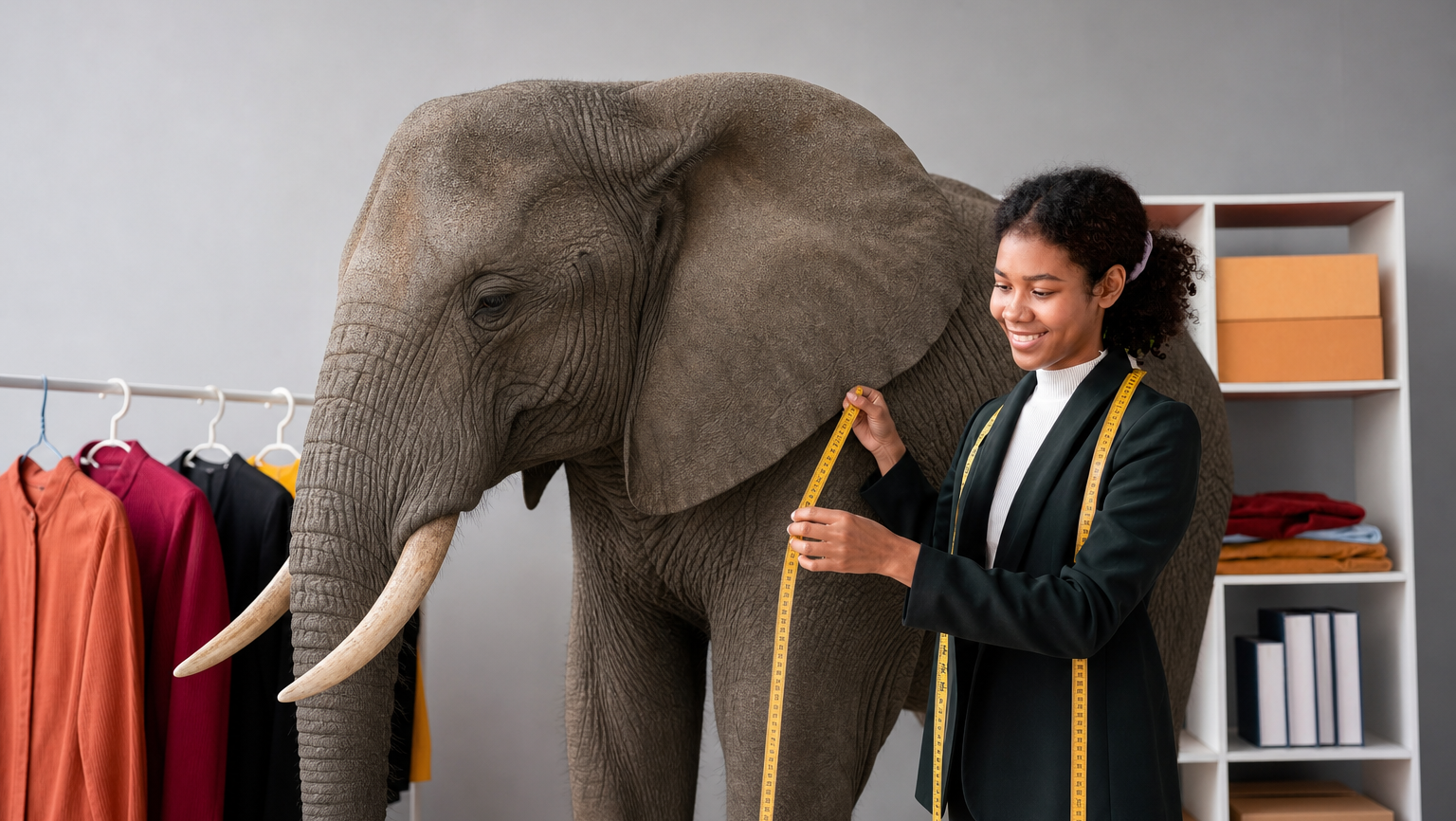
Closely related to curated and equally exhausted, bespoke originally referred to clothing made specifically to the measurements of one person, which is a lovely idea and exactly what a properly personalised safari should be. The problem is that bespoke has been adopted by approximately every safari operator on Earth regardless of whether their itineraries bear any resemblance to anything made specifically for anyone.
When an operator describes their safaris as bespoke and then sends you a PDF of their three standard options, the word has done its damage and departed. Real bespoke means Sian and Cara actually asking you what you want, listening carefully to the answer, and building something that couldn't have been built for anyone else. It doesn't need to be called bespoke, it just needs to actually be it.
No 6: Bucket list
Yes, that old chestnut... The bucket list safari... Tick Africa off your bucket list... The ultimate bucket list destination...
We understand the impulse that people need a shorthand for the trips they've always dreamed of taking, and bucket list does that job efficiently even if it does reduce one of the most extraordinary continents on earth to an item on an administrative to-do list. What we'd gently push back on is the implication that Africa is something you do once, tick off and move on from. The people who come back again and again, which is most of the people who come at all, are not working through a list, but responding to something considerably less tidy than that - an addiction to explore a freaking awesome continent.
No 7: Sustainable
As in: Sustainable tourism, sustainable practices, and committed to sustainability. Every operator, every lodge, every company in the safari industry is sustainable now. That's right, all of 'em, which would be wonderful if it were true but is considerably less wonderful given that sustainability, like authenticity, has become a label applied so indiscriminately that it communicates almost nothing about whether the operator in question has actually done anything useful for the environment or the communities they operate in.
Real sustainability in the safari industry looks like specific things: community ownership or employment programmes with measurable outcomes, conservation levies that go to named projects with verifiable results, anti-poaching operations, habitat restoration, genuine carbon management. All backed up with hard evidence and a third-party independent certification.
What it doesn't look like is a recycling bin in the lodge bathroom, a vague commitment to "minimising our environmental footprint," and visits to a local creche or community that borders on poverty porn, which is the sustainable equivalent of saying you're trying to be a nicer person.
No 8: Luxury
Ah yes. The luxury safari, also described variously as ultimate luxury, uncompromising luxury or just luxury, luxury, luxury.
Here is the honest truth about luxury in the safari industry: it covers an enormous range. At one end there are properties that would hold their own against the finest hotels anywhere in the world, with architecture, cuisine, service and attention to detail that genuinely justify every syllable of the word. At the other end there are basic camps in incredible wilderness areas where luxury means the bucket shower is warm and the bed is comfortable with everything you need and nothing you don't. Both will describe themselves as luxury with complete sincerity and no apparent awareness that they are using the same word to describe experiences separated by sometimes thousands of dollars a night.
Luxury is subjective but don't worry, we'll help with the definition when we chat to you and find out what's your version of it.
No 9: Once in a lifetime
The good old once in a lifetime safari experience. You know the one: "Your once in a lifetime journey to Africa. Don't miss this once in a lifetime opportunity..." Ad infinitum.
If a safari company is describing their product as once in a lifetime, they are either suggesting that you'll enjoy it so much you'll immediately book again, in which case it's not once in a lifetime, or they're suggesting it's so special it can only be done once, in which case they might want to rethink their repeat business strategy. The phrase has become a marketing reflex, deployed whenever something sounds impressive and the copywriter can't think of anything more specific to say about it.
Africa is, for many people, a once in a lifetime experience in the sense that it changes something permanently and irrevocably but it not, for those same people, something they do only once.
No 10: Iconic
Think "the iconic African sunset; the iconic Big Five; the iconic Serengeti, the iconic (frankly) everything. Sigh.
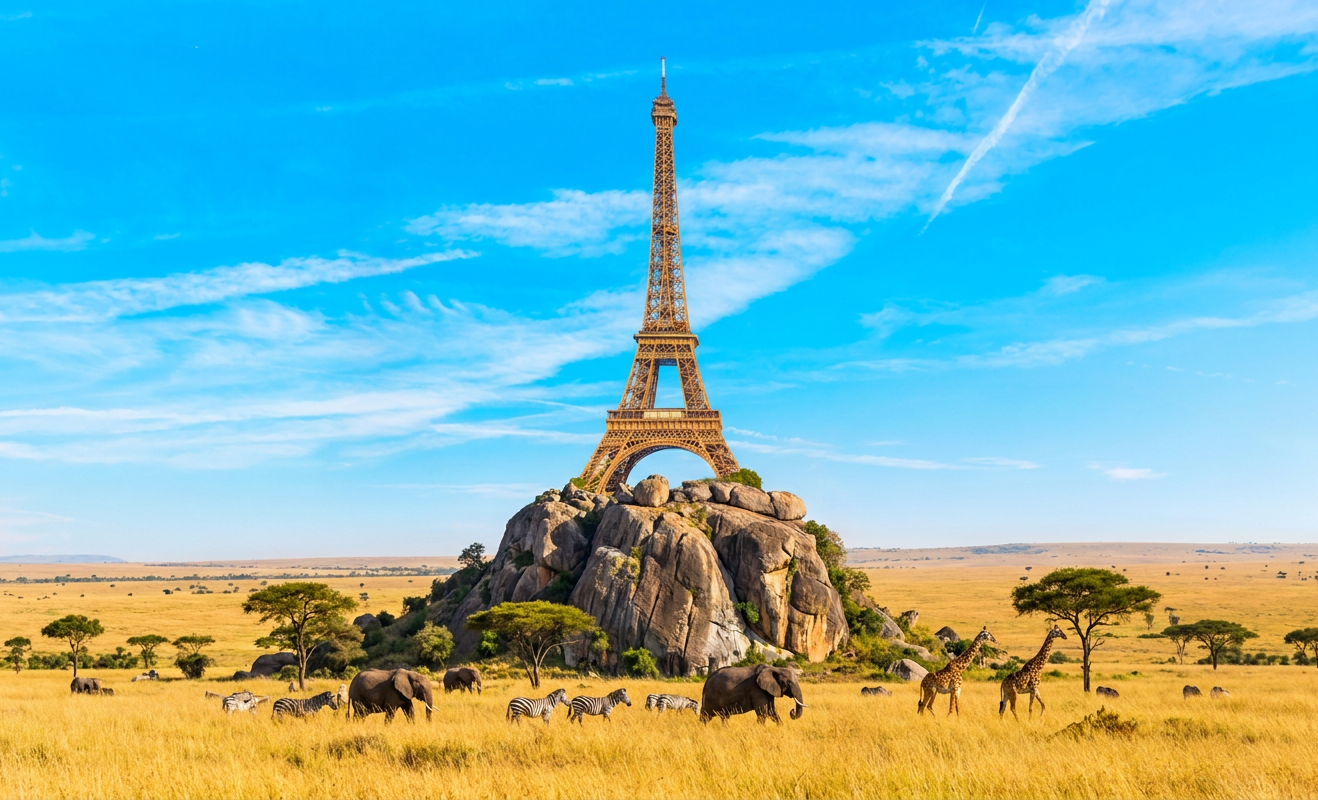
Iconic means something of such cultural significance that it has become a symbol of something larger than itself. The Eiffel Tower is iconic, the Sydney Opera House is iconic. A lion on a kopje in the afternoon light is magnificent and moving and something you'll remember for the rest of your life, but it is also something that happens every day across southern and east Africa, which means that either everything is iconic or nothing is, and the word has once again successfully destroyed itself through overuse.
No 11: Nestled
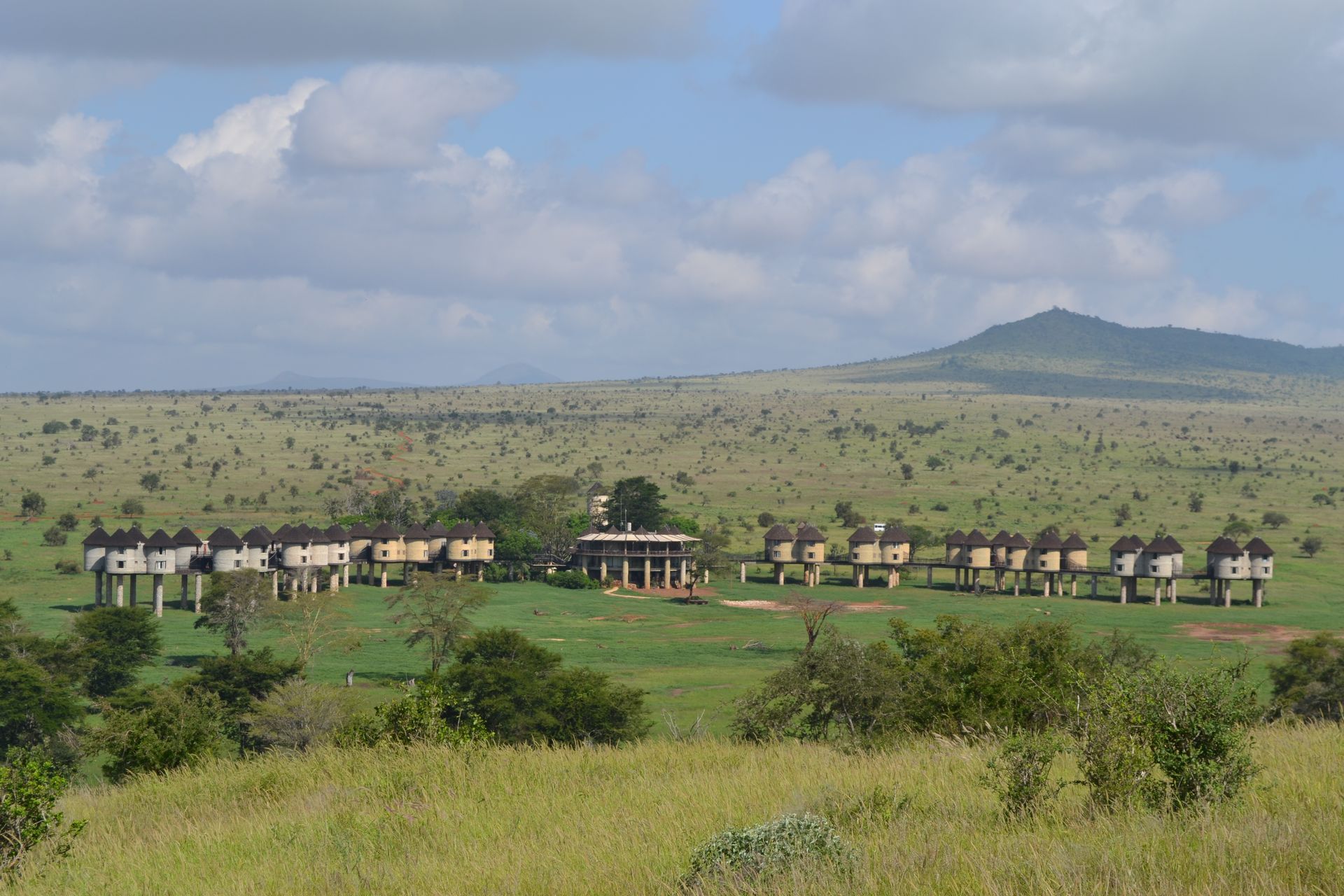
If you believe what you read, almost every lodge in Africa is nestled. Nestled in the heart of the wilderness, nestled among ancient acacia trees (even though we lost those to Australia), nestled on the banks of a river, nestled in a private concession... It's as if the entire safari accommodation industry has taken up residence inside a series of exceptionally comfortable locations wedged between something else.
We have nothing against nestling as a concept. We simply note that nestled has become the default verb for describing where a lodge is located regardless of whether the lodge in question is actually tucked gently into anything or is in fact a large concrete structure sitting in a flat clearing with excellent visibility in every direction. It is the geographical equivalent of describing a meal as delicious before anyone has tasted it.
No 12: Remote
Ah, remote, the most elastic word in the safari vocabulary. Remote location... Remotely situated... Which is the giveaway detail that the word remote is doing serious heavy lifting.
There are genuinely remote places in Africa. For example, the Central Kalahari Game Reserve is remote as are certain corners of the Selous, now Nyerere National Park. The Liuwa Plain in western Zambia is remote in a way that genuinely requires commitment and planning and a tolerance for the kind of access roads that test both vehicles and passengers. These places reward the effort with a wilderness experience of a quality that the more accessible destinations, however wonderful, can't quite replicate.
And then there are lodges described as remote that have a tarred road to the gate, a gift shop selling branded merchandise, a spa menu and reliable WiFi. Remote, in these cases, means "not in a city," which is true of most of Africa and not, perhaps, the distinction the marketing team had in mind.
No 13: Off the beaten track
Closely related to remote and equally relative. Off the beaten track experiences await the discerning traveller who wishes to escape the crowds and discover Africa as it truly is, along the same track that 40 other vehicles used yesterday and which appears on every major safari booking platform with a five-star rating and 400 reviews.
There are genuinely off the beaten track experiences in Africa and we love finding them for our clients. They require more planning, more knowledge and more willingness to go somewhere that isn't already famous, which is exactly the kind of challenge that Sian and Cara find considerably more interesting than sending someone to the same lodge everyone else is staying in.
No 14: Untouched
That gem of a word... The untouched wilderness. Africa's last untouched landscapes. Where nature remains untouched by human hands.
The wilderness being described as untouched is, in almost every case, managed, protected, monitored, patrolled against poaching, researched by scientists, visited by tourists, accessed by staff vehicles, serviced by supply runs and documented extensively on social media by everyone who has ever been there. Which is not a criticism because all of those things are what keeps it wild, but far from what untouched brings to mind.
What we actually mean
At Zafaris, we try very hard not to use any of the words above, or at least to use them only when they mean something specific and true. We don't always succeed. The vocabulary of the industry is pervasive and occasionally the only word that fits is the overused one, at which point we reach for it and move on.
What we can promise is that the safari we build for you will be genuinely personal, built around what you actually want rather than what fits our preferred supplier list. The lodges we recommend will be places we've been to and believe in. The experiences we suggest will be appropriate for who you are rather than who a marketing brochure thinks you are. The wilderness you visit will be real, the wildlife will be unscripted and the whole experience will be exactly as extraordinary as Africa always is when someone takes the trouble to show it to you properly.
We'd call it authentic but then we'd be hoist with our own petard. But you'd know what we mean.
Text: Sharon Gilbert-Rivett