STOP THE MIGRATION MADNESS

Beat over tourism by choosing a private conservancy safari

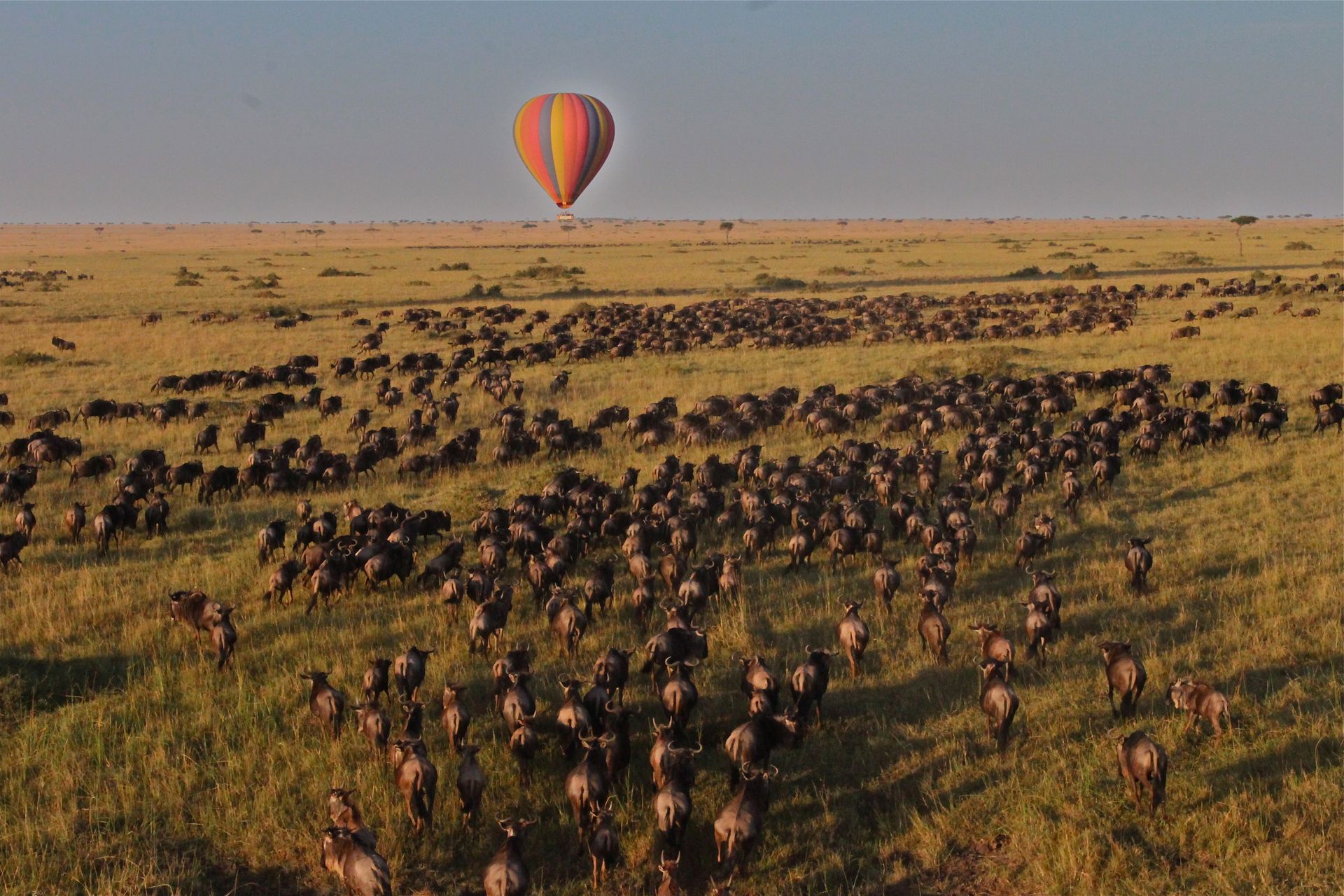
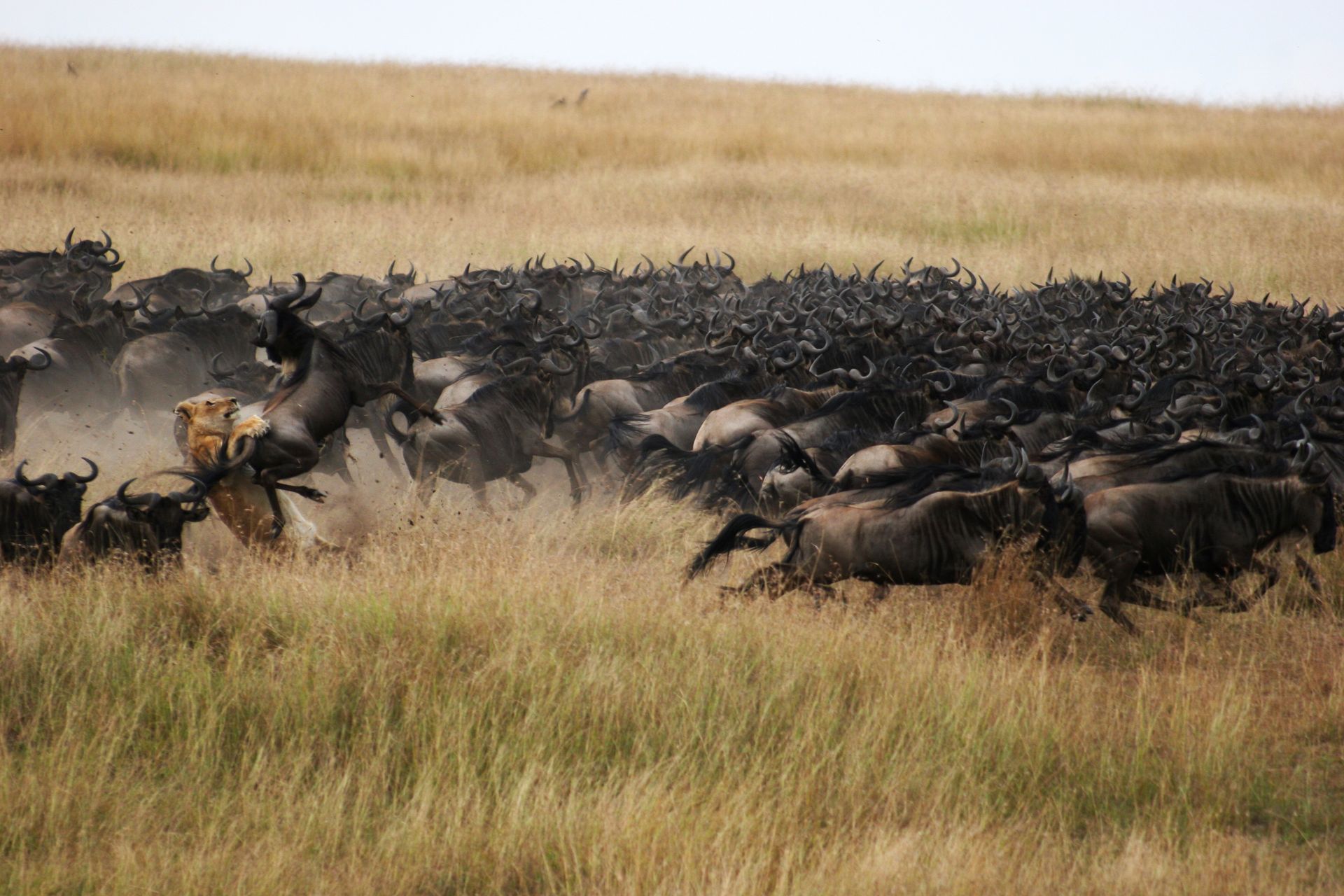
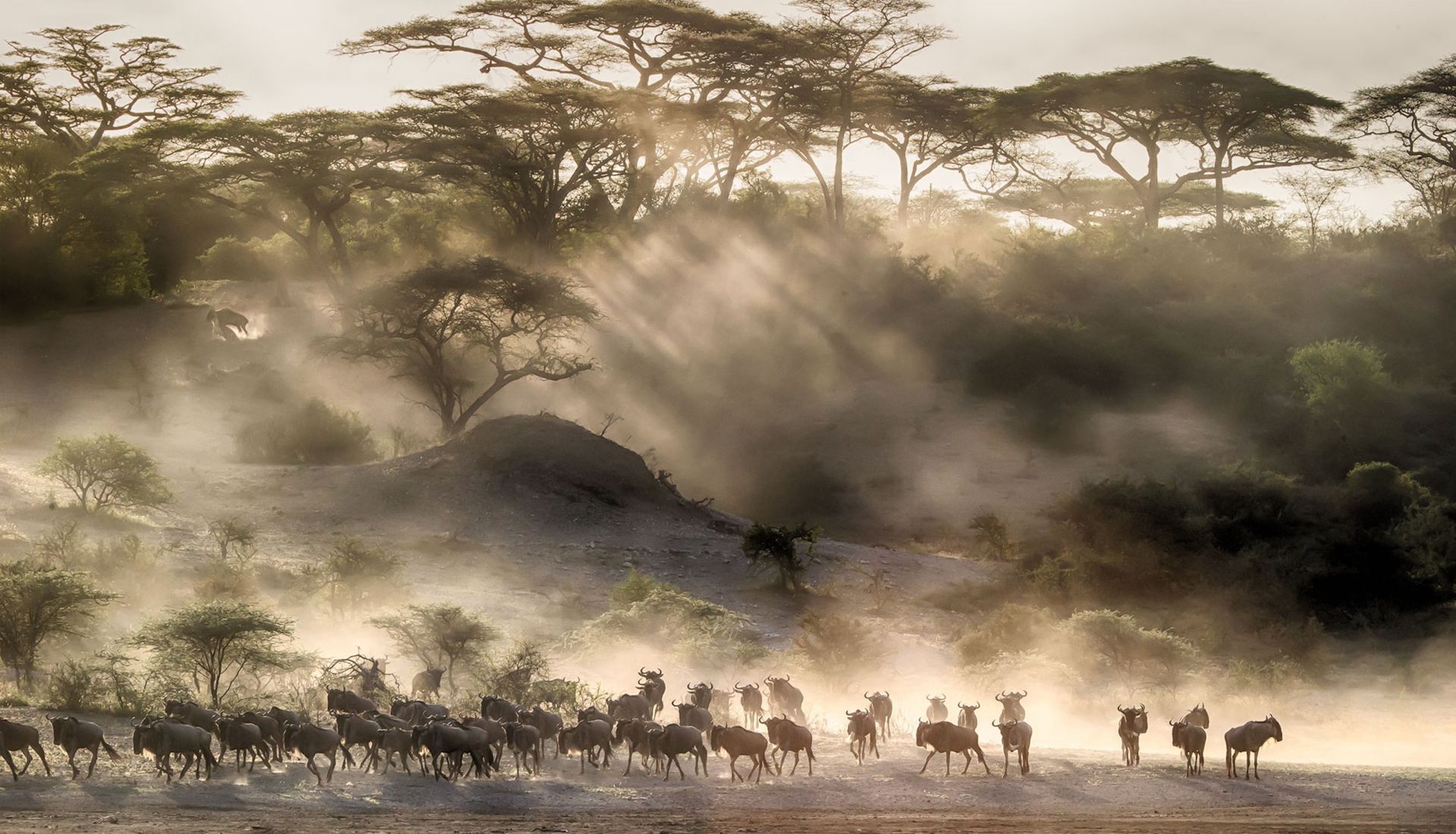
We just don't do mass tourism. And certainly not the madness we've been seeing coming out of this year's Great Wildebeest Migration in both Tanzania's Serengeti National Park and Kenya's Masai Mara National Reserve. Frankly, we've been shocked by some of the appalling videos of hundreds of vehicles pursuing hapless animals in their quest to cross rivers so we've come up with a way to stop the migration madness and blatant overtourism by sending you somewhere altogether more humane - the private conservancies on the edges of the Serengeti and Mara, where wildebeest and zebra are left in peace to do what they do and we just sit back and watch without interfering...


There's not much out there that really gets our goat. We're fairly laid back when it comes to letting everyone have a fair bite of the safari apple and as long as everything benefits people and planet, we're as chilled as proverbial cucumbers in a nice cold fridge. But upset the delicate balance and start behaving like absolute cowboys (apologies in advance to actual cowboys - we love Yellowstone, and you) and we're going to have something to say about it.


Which is why we're taking a stand on the absolute fiasco of more vehicles than wildebeest where the great migration is concerned. There's nothing great about safari guides driving like they're F1 wannabes, going hell for leather after 'beesties, behaving worse than any animal would, predators included. 


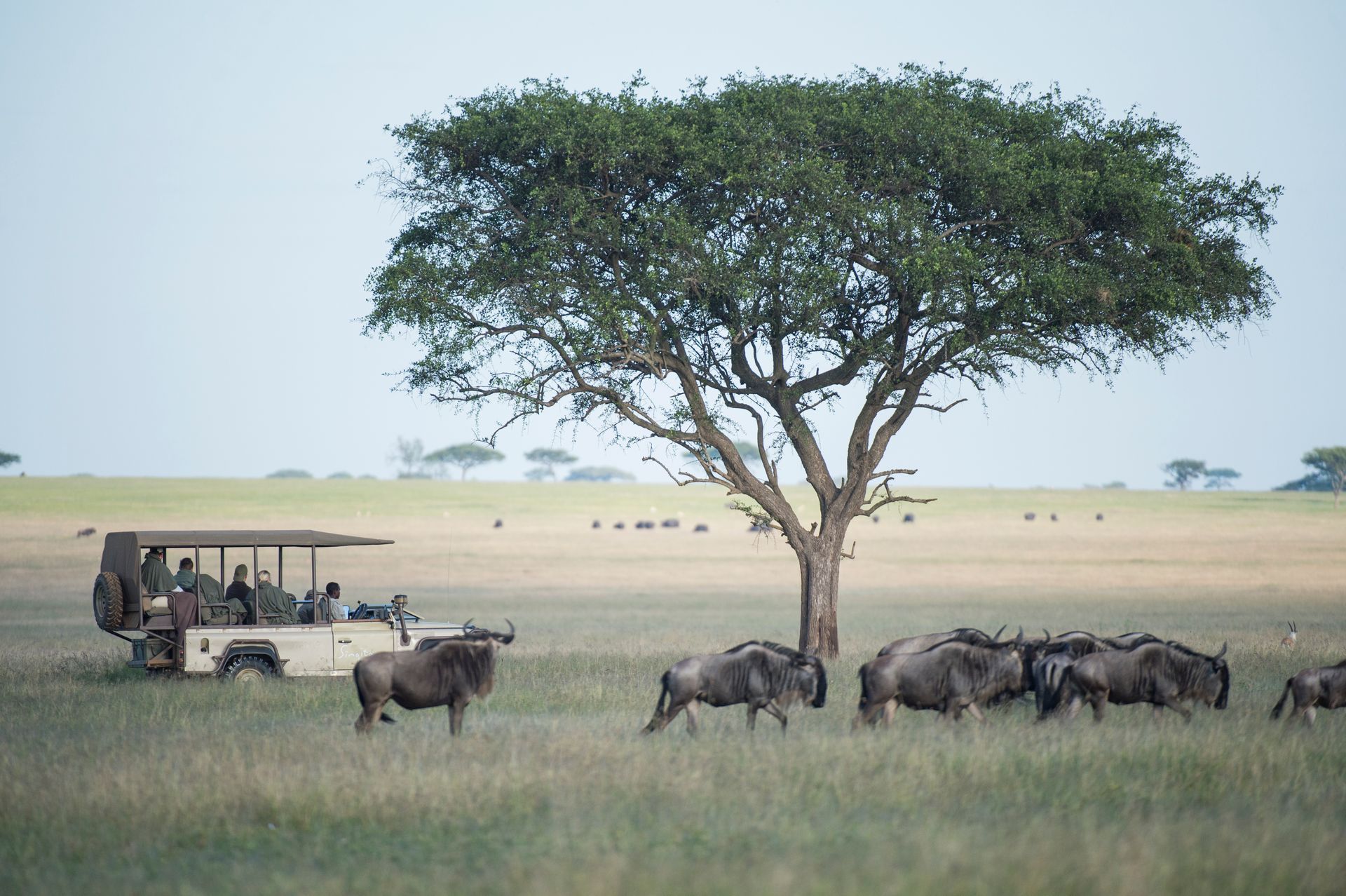
We absolutely do NOT want our guests to experience the migration in this way. And we absolutely do NOT want animals and the environment treated with such little respect. So, we're promoting a more friendly approach to the migration by highlighting the excellent  private conservancies on the edges of the Serengeti and Masai Mara where you just get wildebeest, and zebra, and the usual natural hubbub and none of that inhumane madness masquerading as tourism.


Do you get the same migration experiences? Hell yes. Just without the Black Friday vibe and more vehicles than animals. Let's explore the options...


Mara North Conservancy, Kenya


First up is the Mara North Conservancy (MNC) - a stunning private wilderness stretching over 28,377 hectares, located in the north-western part of the Masai Mara ecosystem, right where it borders Kenya’s renowned Masai Mara National Reserve. Established in 2009, this not-for-profit conservancy is the result of a unique partnership between 12 tourism partners — including camps, lodges, and riding outfits — and more than 1,000 Maasai landowners. Together, they’re committed to creating a world-class conservation area with a long-term focus on preserving the environment, supporting wildlife, and empowering local communities.


MNC champions low-density tourism, aiming for an exclusive safari experience with an ideal ratio of 142 hectares per bed. This thoughtful approach ensures minimal environmental impact while offering guests a more intimate connection with the landscape. The conservancy fees collected by the tourism partners directly support monthly lease payments to Maasai landowners and fund expert land management efforts.


The conservancy is governed by a board of directors, with equal representation from both the tourism partners and landowners. They work hand in hand with the Maasai Landowners' Committee, setting the course for short and long-term conservation goals. For the first time, Maasai landowners are receiving significant, direct income from wildlife through this collaborative effort. Together, MNC and the Maasai community are embracing sustainable land management, controlled grazing, low-impact tourism, and smart community land-use strategies, setting a powerful example for conservation-driven development.


Here are some of our fave camps in Mara North Conservancy:


Alex Walker's Serian

Elephant Pepper Camp

Karen Blixen Camp

Kicheche Mara

Saruni Basecamp Mara Bush Houses

Saruni Mara Camp

Richard's Camp


Olare Motorogi Conservancy, Kenya


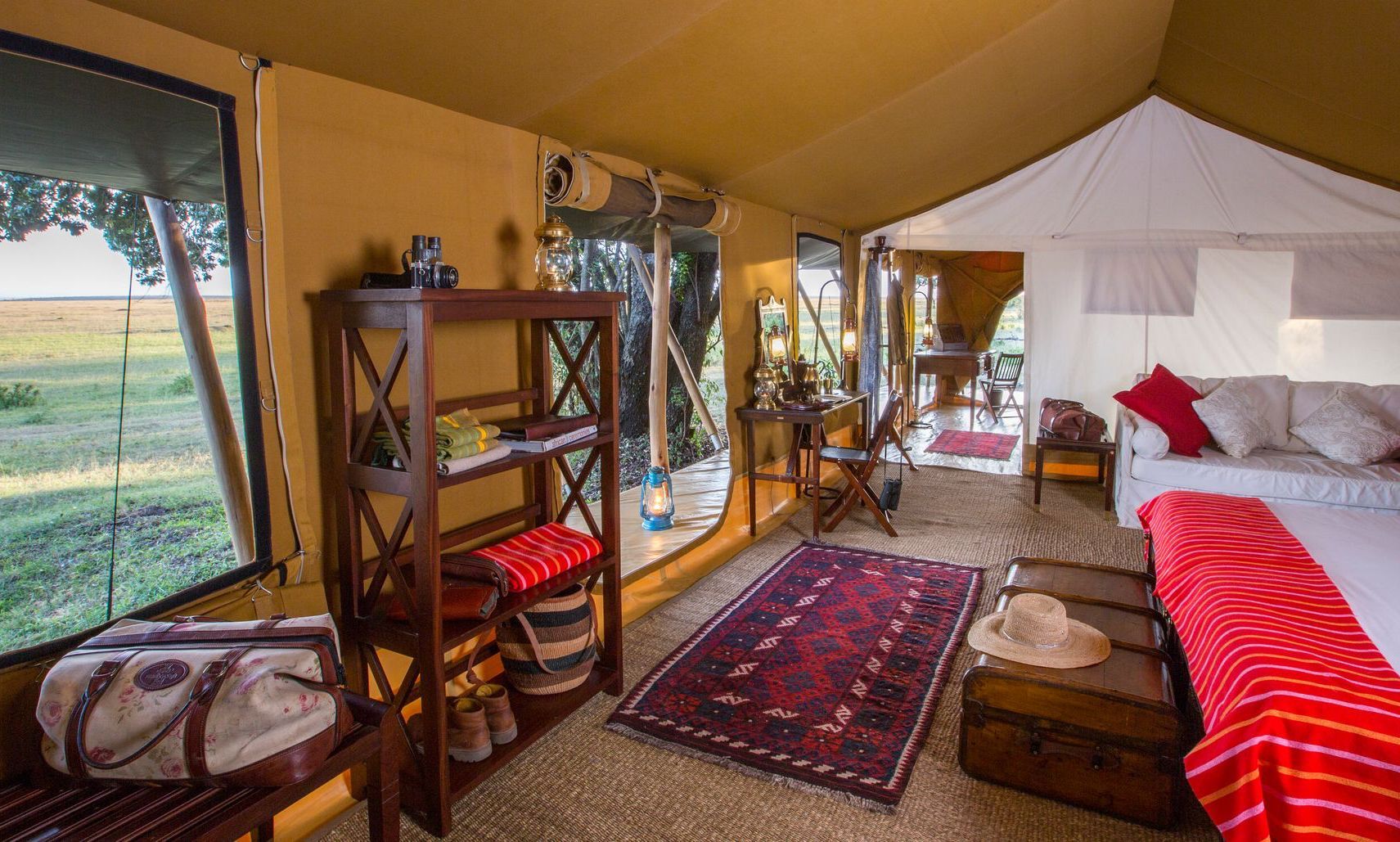
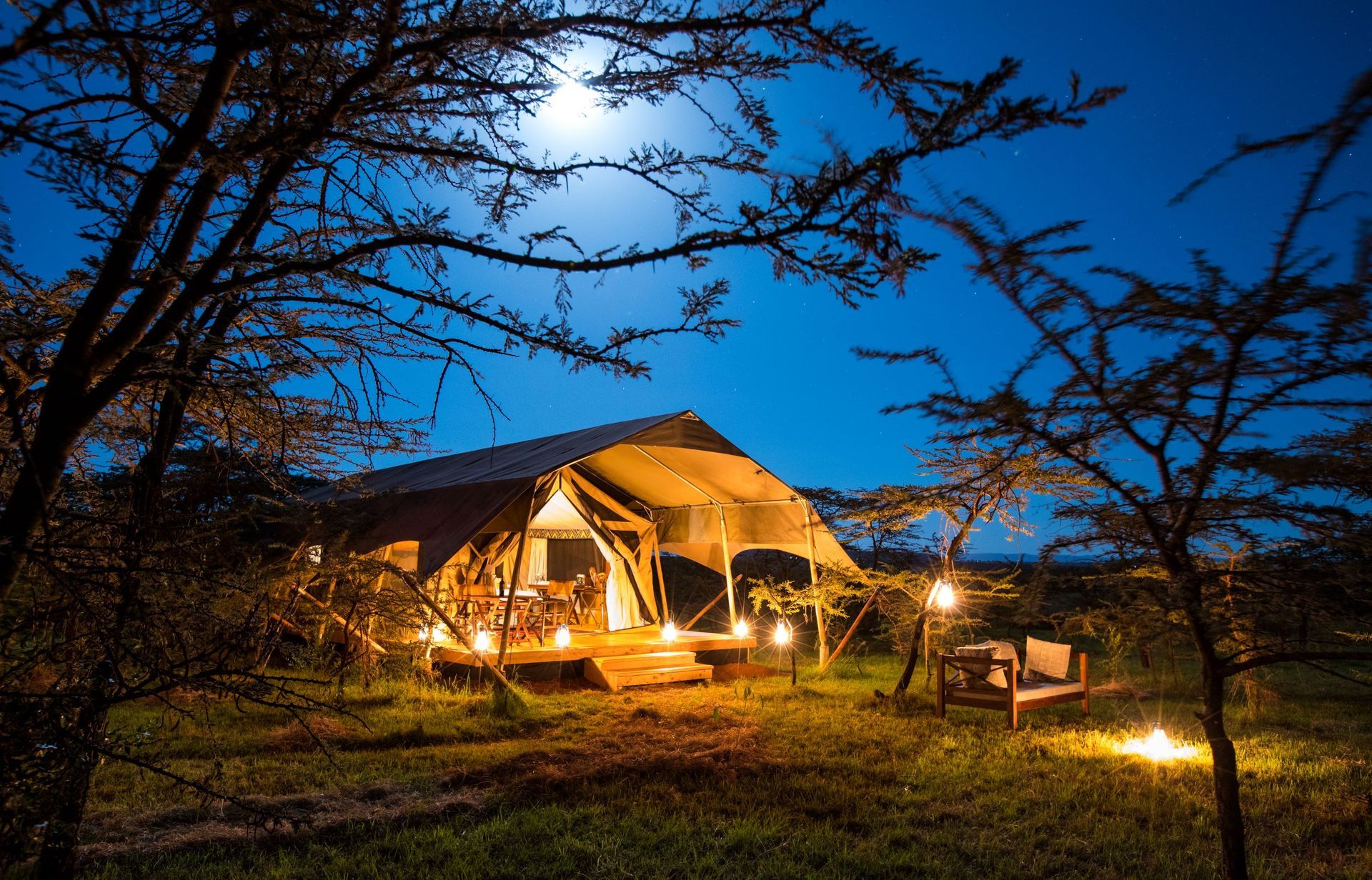
We also love Great Plains Conservation's Mara Plains Camp and Mara Expedition Camp on the private 13,300-hectare Olare Motorogi Conservancy, just on the Maasai Mara National Reserve’s northern boundary. These intimate camps blend the finest in wildlife viewing with superlative safari hospitality and guiding. Offering extensive traversing with access to a total of 40,000 hectares of private conservancy land as well as the world-renowned Masai Mara, the Olare Motorogi Conservancy has an incredible density of big cats and only one guest bed per 140 hectares, leaving the land unadulterated for the wildlife to roam and thrive. 


Singita Grumeti Reserve


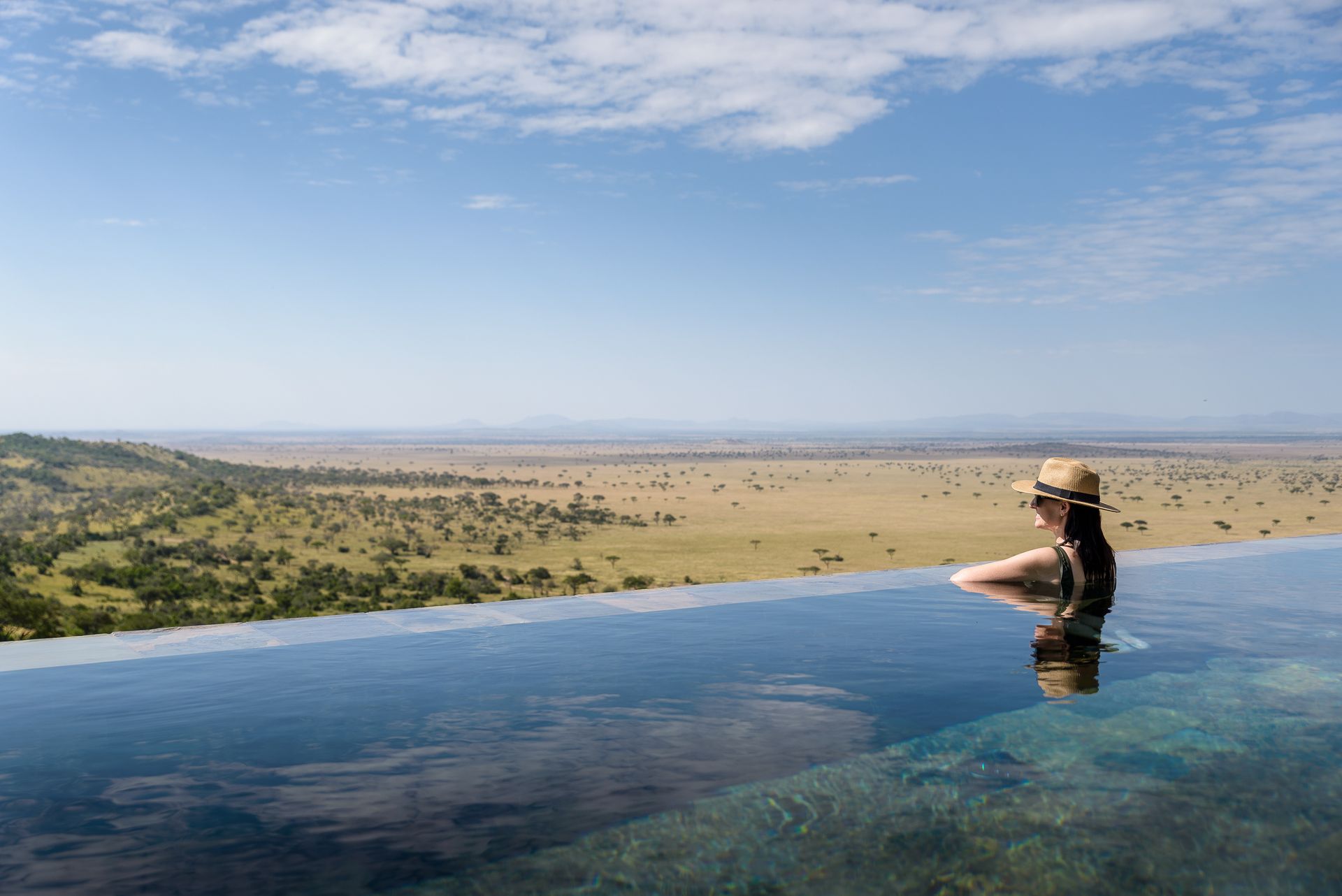
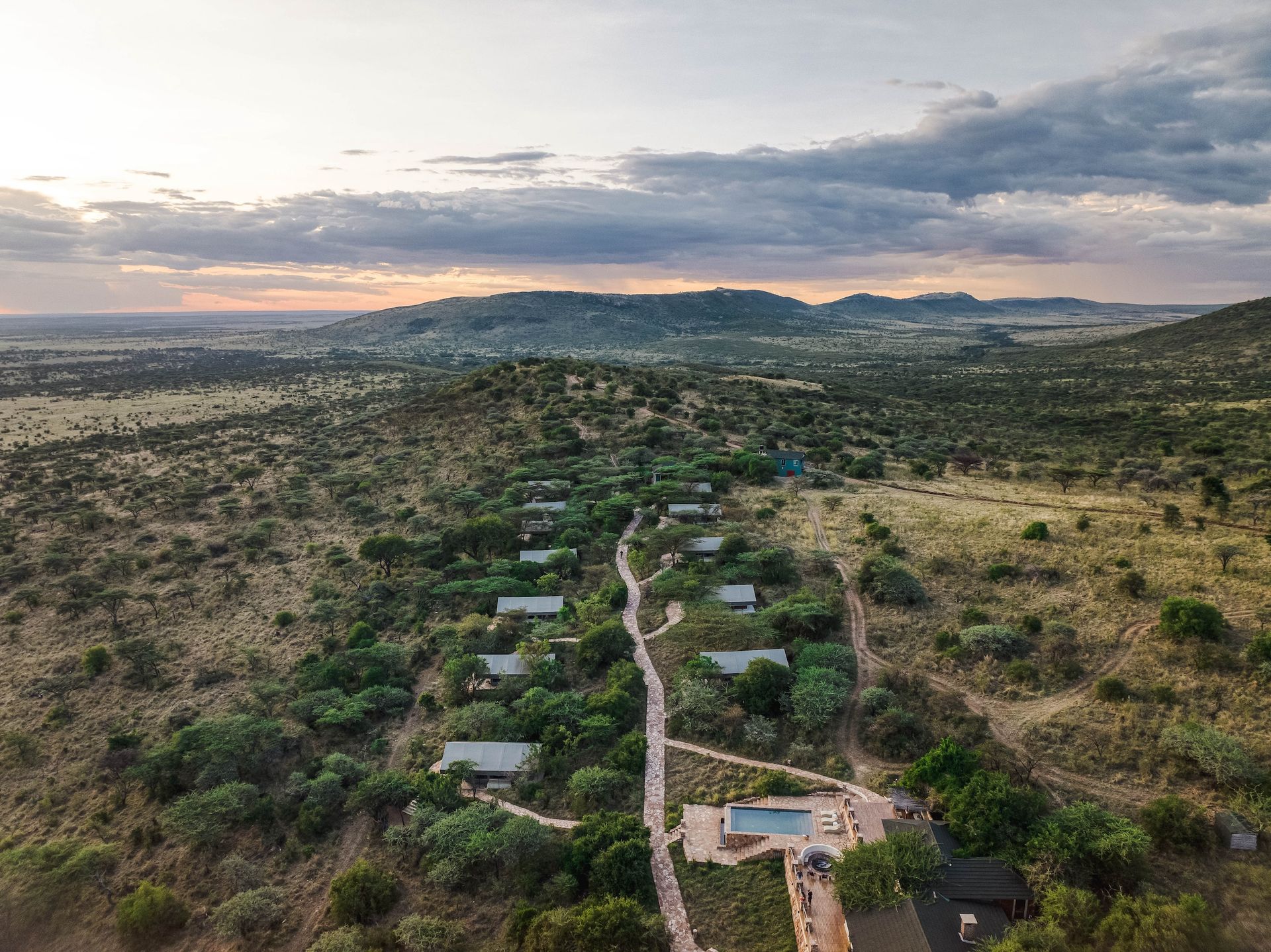
Next up, we move to Tanzania and Singita Grumeti Reserve. Originally established by the Tanzanian government in 1994 to safeguard the route of the iconic annual wildebeest migration and the rich biodiversity of this vast ecosystem, in 2002, the Grumeti Community and Wildlife Conservation Fund (now known as the Grumeti Fund), a not-for-profit organisation, was entrusted with managing these 141,640 hectares for the benefit of Tanzania, Africa, and the world. Four years later, Singita took over the management of the reserve, enhancing its reputation for low-impact, luxury tourism.


Through the Grumeti Fund, a remarkable journey began to secure the long-term sustainability of the reserve, blending conservation efforts with meaningful community partnerships. The Serengeti plains within the reserve are alive with wildlife, hosting vast herds of plains game, apex predators, and, of course, the awe-inspiring spectacle of the wildebeest migration.


As stewards of this wilderness that's part of the Serengeti ecosystem, Singita's partnership with the Grumeti Fund has had a transformative impact. From the moment they took over management in 2003, the Fund faced serious challenges—uncontrolled illegal hunting, wildfires, and the spread of invasive species. Yet, their dedication has turned this once depleted area into a thriving wilderness. 


The rebound in wildlife populations is astonishing, with buffalo, wildebeest, and elephant numbers soaring. Perhaps most impressively, in 2019, the Fund successfully carried out the largest single reintroduction of the critically endangered Eastern Black Rhino, releasing nine individuals back into the wild.


The Grumeti Fund remains fiscally independent, powered by donations from Singita guests, NGOs, and philanthropists who are passionate about supporting the future of conservation in Africa. Their ongoing success is a testament to the power of focused conservation efforts and the belief that wildlife and community development can thrive together.


Lodges and camps in Grumeti Reserves:


Singita Sasakwa Lodge

Singita Faru Faru

Singita Kilima

Singita Milele

Singita Serengeti House

Singita Sabora Tented Camp

Singita Explore


Loliondo Game Controlled Area, Tanzania


Finally, we're heading over to the Loliondo Game Controlled Area (LGCA) on the edge of the Serengeti National Park which plays a vital role in the Great Wildebeest Migration route through the Greater Serengeti ecosystem. Just 20km north of Lobo, accessed through Klein’s Gate, this expansive area stretches over 4,000 square kilometres along the northeastern border of the Serengeti and the northern edge of the Ngorongoro Crater Area. Home to the Maasai, Loliondo serves as a crucial buffer zone to the park, where Maasai herders graze their cattle alongside roaming wildlife.


This unique landscape also hosts several safari lodges and camps, set on concessions that range from a few dozen to several thousand hectares. The crown jewel of these is Klein’s Camp, widely regarded as one of Tanzania’s premier wildlife viewing destinations. As an exclusive private reserve, Klein’s Camp offers exceptional wildlife experiences, including night drives and bush walks — activities not permitted within the national park itself. With its breathtaking scenery and abundant wildlife, Loliondo promises an unforgettable adventure.


Camps in Loliondo:


Klein's Camp

Suyan Camp

Taasa Lodge


So, if you want to see the Great Migration is all its natural glory, let's chat about getting you a front row seat to all of the action, and none of the madness.

Text: Sharon Gilbert-Rivett

We just don't do mass tourism. And certainly not the madness we've been seeing coming out of this year's Great Wildebeest Migration in both Tanzania's Serengeti National Park and Kenya's Masai Mara National Reserve. Frankly, we've been shocked by some of the appalling videos of hundreds of vehicles pursuing hapless animals in their quest to cross rivers so we've come up with a way to stop the migration madness and blatant overtourism by sending you somewhere altogether more humane - the private conservancies on the edges of the Serengeti and Mara, where wildebeest and zebra are left in peace to do what they do and we just sit back and watch without interfering...


There's not much out there that really gets our goat. We're fairly laid back when it comes to letting everyone have a fair bite of the safari apple and as long as everything benefits people and planet, we're as chilled as proverbial cucumbers in a nice cold fridge. But upset the delicate balance and start behaving like absolute cowboys (apologies in advance to actual cowboys - we love Yellowstone, and you) and we're going to have something to say about it.


Which is why we're taking a stand on the absolute fiasco of more vehicles than wildebeest where the great migration is concerned. There's nothing great about safari guides driving like they're F1 wannabes, going hell for leather after 'beesties, behaving worse than any animal would, predators included. 


We absolutely do NOT want our guests to experience the migration in this way. And we absolutely do NOT want animals and the environment treated with such little respect. So, we're promoting a more friendly approach to the migration by highlighting the excellent  private conservancies on the edges of the Serengeti and Masai Mara where you just get wildebeest, and zebra, and the usual natural hubbub and none of that inhumane madness masquerading as tourism.


Do you get the same migration experiences? Hell yes. Just without the Black Friday vibe and more vehicles than animals. Let's explore the options...


Mara North Conservancy, Kenya


First up is the Mara North Conservancy (MNC) - a stunning private wilderness stretching over 28,377 hectares, located in the north-western part of the Masai Mara ecosystem, right where it borders Kenya’s renowned Masai Mara National Reserve. Established in 2009, this not-for-profit conservancy is the result of a unique partnership between 12 tourism partners — including camps, lodges, and riding outfits — and more than 1,000 Maasai landowners. Together, they’re committed to creating a world-class conservation area with a long-term focus on preserving the environment, supporting wildlife, and empowering local communities.


MNC champions low-density tourism, aiming for an exclusive safari experience with an ideal ratio of 142 hectares per bed. This thoughtful approach ensures minimal environmental impact while offering guests a more intimate connection with the landscape. The conservancy fees collected by the tourism partners directly support monthly lease payments to Maasai landowners and fund expert land management efforts.


The conservancy is governed by a board of directors, with equal representation from both the tourism partners and landowners. They work hand in hand with the Maasai Landowners' Committee, setting the course for short and long-term conservation goals. For the first time, Maasai landowners are receiving significant, direct income from wildlife through this collaborative effort. Together, MNC and the Maasai community are embracing sustainable land management, controlled grazing, low-impact tourism, and smart community land-use strategies, setting a powerful example for conservation-driven development.


Here are some of our fave camps in Mara North Conservancy:


Alex Walker's Serian

Elephant Pepper Camp

Karen Blixen Camp

Kicheche Mara

Saruni Basecamp Mara Bush Houses

Saruni Mara Camp

Richard's Camp


Olare Motorogi Conservancy, Kenya


We also love Great Plains Conservation's Mara Plains Camp and Mara Expedition Camp on the private 13,300-hectare Olare Motorogi Conservancy, just on the Maasai Mara National Reserve’s northern boundary. These intimate camps blend the finest in wildlife viewing with superlative safari hospitality and guiding. Offering extensive traversing with access to a total of 40,000 hectares of private conservancy land as well as the world-renowned Masai Mara, the Olare Motorogi Conservancy has an incredible density of big cats and only one guest bed per 140 hectares, leaving the land unadulterated for the wildlife to roam and thrive. 


Singita Grumeti Reserve


Next up, we move to Tanzania and Singita Grumeti Reserve. Originally established by the Tanzanian government in 1994 to safeguard the route of the iconic annual wildebeest migration and the rich biodiversity of this vast ecosystem, in 2002, the Grumeti Community and Wildlife Conservation Fund (now known as the Grumeti Fund), a not-for-profit organisation, was entrusted with managing these 141,640 hectares for the benefit of Tanzania, Africa, and the world. Four years later, Singita took over the management of the reserve, enhancing its reputation for low-impact, luxury tourism.


Through the Grumeti Fund, a remarkable journey began to secure the long-term sustainability of the reserve, blending conservation efforts with meaningful community partnerships. The Serengeti plains within the reserve are alive with wildlife, hosting vast herds of plains game, apex predators, and, of course, the awe-inspiring spectacle of the wildebeest migration.


As stewards of this wilderness that's part of the Serengeti ecosystem, Singita's partnership with the Grumeti Fund has had a transformative impact. From the moment they took over management in 2003, the Fund faced serious challenges—uncontrolled illegal hunting, wildfires, and the spread of invasive species. Yet, their dedication has turned this once depleted area into a thriving wilderness. 


The rebound in wildlife populations is astonishing, with buffalo, wildebeest, and elephant numbers soaring. Perhaps most impressively, in 2019, the Fund successfully carried out the largest single reintroduction of the critically endangered Eastern Black Rhino, releasing nine individuals back into the wild.


The Grumeti Fund remains fiscally independent, powered by donations from Singita guests, NGOs, and philanthropists who are passionate about supporting the future of conservation in Africa. Their ongoing success is a testament to the power of focused conservation efforts and the belief that wildlife and community development can thrive together.


Lodges and camps in Grumeti Reserves:


Singita Sasakwa Lodge

Singita Faru Faru

Singita Kilima

Singita Milele

Singita Serengeti House

Singita Sabora Tented Camp

Singita Explore


Loliondo Game Controlled Area, Tanzania


Finally, we're heading over to the Loliondo Game Controlled Area (LGCA) on the edge of the Serengeti National Park which plays a vital role in the Great Wildebeest Migration route through the Greater Serengeti ecosystem. Just 20km north of Lobo, accessed through Klein’s Gate, this expansive area stretches over 4,000 square kilometres along the northeastern border of the Serengeti and the northern edge of the Ngorongoro Crater Area. Home to the Maasai, Loliondo serves as a crucial buffer zone to the park, where Maasai herders graze their cattle alongside roaming wildlife.


This unique landscape also hosts several safari lodges and camps, set on concessions that range from a few dozen to several thousand hectares. The crown jewel of these is Klein’s Camp, widely regarded as one of Tanzania’s premier wildlife viewing destinations. As an exclusive private reserve, Klein’s Camp offers exceptional wildlife experiences, including night drives and bush walks — activities not permitted within the national park itself. With its breathtaking scenery and abundant wildlife, Loliondo promises an unforgettable adventure.


Camps in Loliondo:


Klein's Camp

Suyan Camp

Taasa Lodge


So, if you want to see the Great Migration is all its natural glory, let's chat about getting you a front row seat to all of the action, and none of the madness.


Text: Sharon Gilbert-Rivett

January 28, 2026
Safari has had a glow up. Actually, several over the last few decades. There was a time in the times of yore when a good safari meant a canvas tent, a bucket shower, a crackling fire and a guide who could read the bush like a novel. Then things escalated.
December 4, 2025
Let's get one thing straight. Safaris are not only for shiny Gen Zs or upwardly mobile Millennials - or twenty-somethings with suspiciously clean trainers and an Instagram strategy. They are not reserved for families with small children who want to tick off the Big Five before lunch.
December 4, 2025
There is a particular magic to a great safari. Guests often describe it as smooth, relaxed, beautifully paced and full of those pinch yourself moments where everything seems to line up perfectly. You arrive at your tent and your luggage is already waiting.
November 24, 2025
Out in the bush, things happen quickly. A rustle in the grass, a faint sound in the distance, a brief flicker of movement that you might miss if you blink. Your guide is the one who notices it first. Your wilderness hero. Your safari sherpa. Your resident wizard of the wild.
October 22, 2025
There’s a moment in the pre-dawn hush of the African wild when the world holds its breath. The stars are still out, the campfire’s nothing but embers, and your tent is just beginning to feel like a place of rest. And then it happens. A guttural, gurgling, hiccup-snort-roar erupts metres from your head.
October 22, 2025
Forget everything you think you know about a safari. Simba is not going to turn and wink at you from a ridge as the sun rises over the savannah. No elephant is going to pause politely for your selfie. And hyenas do not sound like Whoopi Goldberg. Africa is not a Disney movie, and thank heavens for that.
September 11, 2025
You’ve booked the safari. The excitement is building. You’ve got your itinerary sorted. But wait - what are you going to wear? Yes, safari fashion is a thing, and it’s more than just throwing on khakis and calling it a day. If you want to feel comfortable, stay stylish, and blend into your surroundings (without standin
August 28, 2025
The first time your phone flashes "No Service", you might panic. No bars. No WiFi. No updates. You’re officially off the grid. Untethered. Unplugged. Unreachable. And if that thought makes your palms a bit sweaty - you’re exactly where you need to be. Welcome to safari.
August 28, 2025
Virtually everyone comes to Africa with a dream: the lion in the golden light, the leopard draped over a branch like royalty, the elephant rolling in a dust bath. And don’t get us wrong - we adore these iconic species and the rest of the Big Five. They’ve earned their fame.
July 16, 2025
Sometimes you just need to get away. Switch off the phone, shut the laptop, and head for the kind of place where silence stretches for miles and the sunsets make you want to cry a little bit. Namibia gave me all that and more.