WHY WE LOVE THE OKAVANGO

It's simply one of the best safari destinations in Africa...

We know. "Best" is a strong word. But honestly, Botswana's Okavango Delta deserves every letter of it. With a capital B. This huge inland alluvial fan is where the waters of the Okavango River empty into the perpetually thirsty sands of the Kalahari Basin, forming one of the most game-rich wilderness areas in Africa. It's breathtaking and has to be seen to be believed. We can help with that, of course, but in the meantime, let's take an editorial tour of this amazing destination...


When it comes to wildlife, the Okavango Delta is possibly the quintessential safari destination, being filled to the brim with an abundance of iconic African animals of every shape and description. It's part of the reason it's a UNESCO World Heritage Site and one of Africa's seven natural wonders, alongside the Nile, the Great Wildebeest Migration, the Sahara, Kilimanjaro, the Ngorongoro Crater and the Red Sea's coral reefs.


Interesting nerdy stuff


Geographically speaking, it's an absolute marvel. Fed by rainfall in the Angolan highlands, what becomes the Okavango River then flows through Namibia and into Botswana, never reaching the sea but flooding a vast expanse of the Kalahari during the dry winter months. This is known as the annual inundation during which the Okavango grows to three times its size, from around 6,000km2 to approximately 15,000km2! 


Why does this happen? What a clever question - you're obviously keeping up! It's all down to geology, actually. You see, constantly shifting tectonic plates have played a large part in the Okavango Delta's creation, carving out the Kalahari basin and preventing any river flowing into it from escaping to the sea. 


Up until 60,000 years ago the Okavango River emptied into a lake the size of Switzerland which eventually dried up, again thanks to tectonic movement, creating the Makgadikgadi Pans in the process and causing the river to empty into the Kalahari instead.


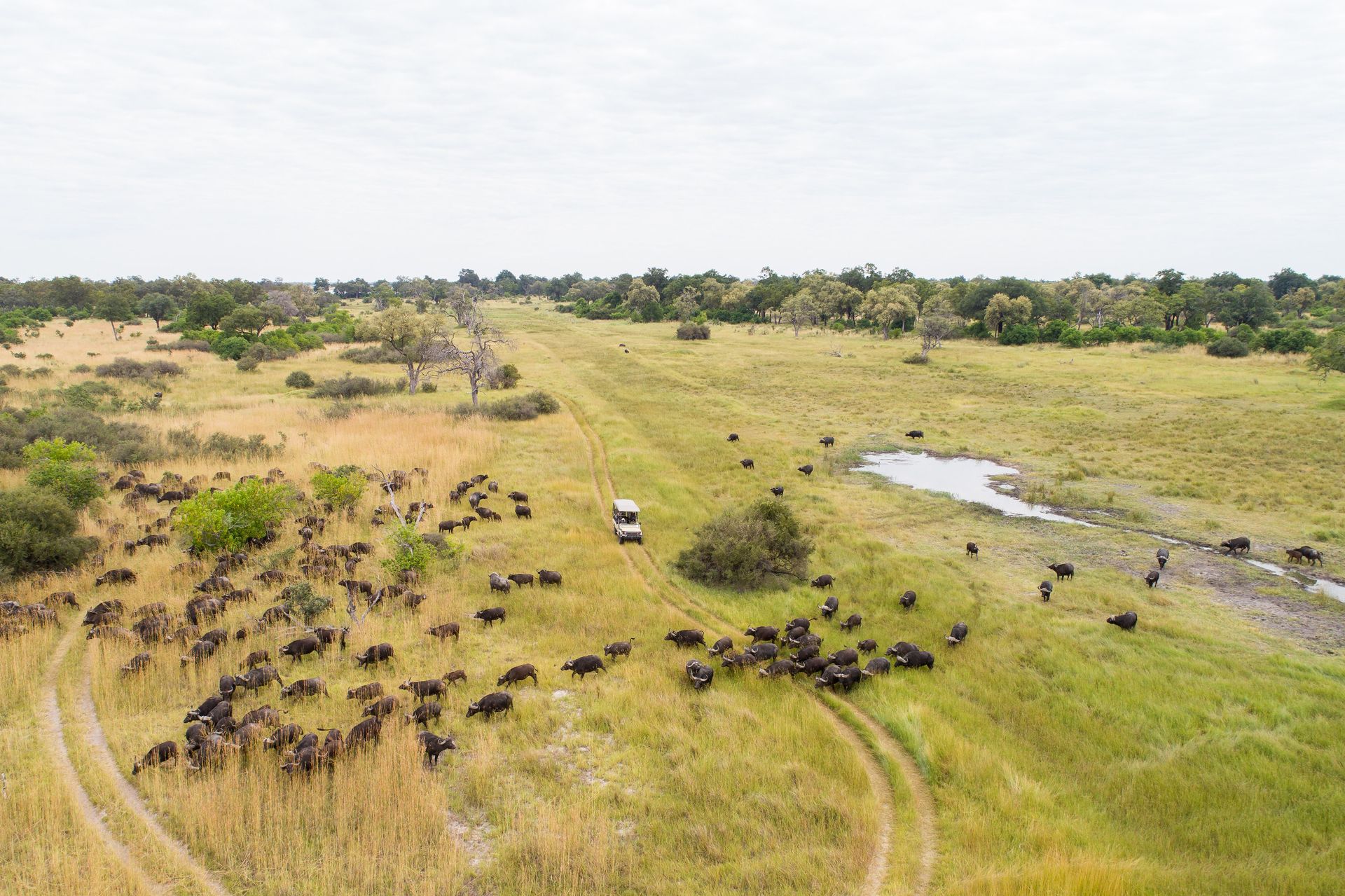
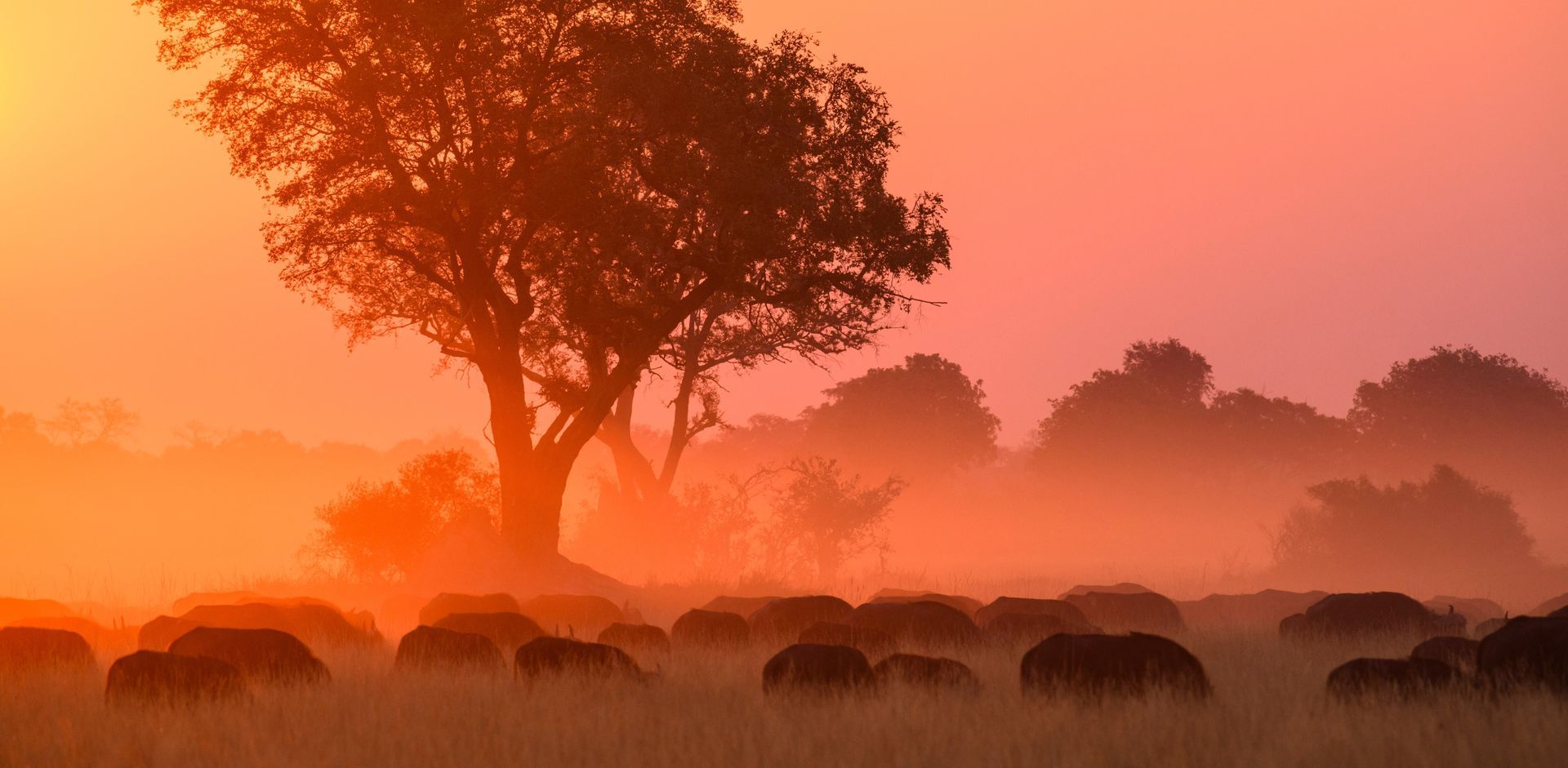
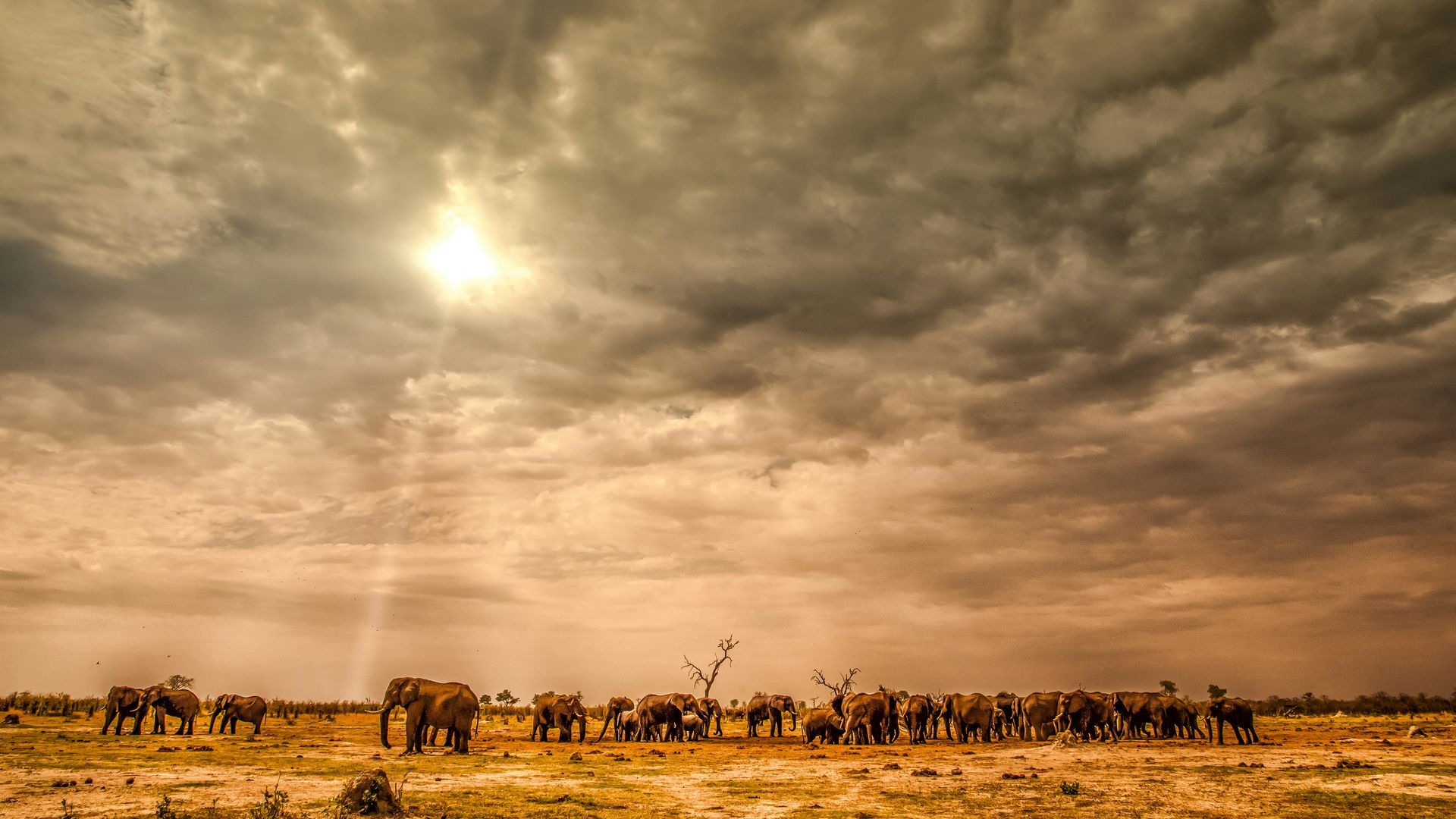
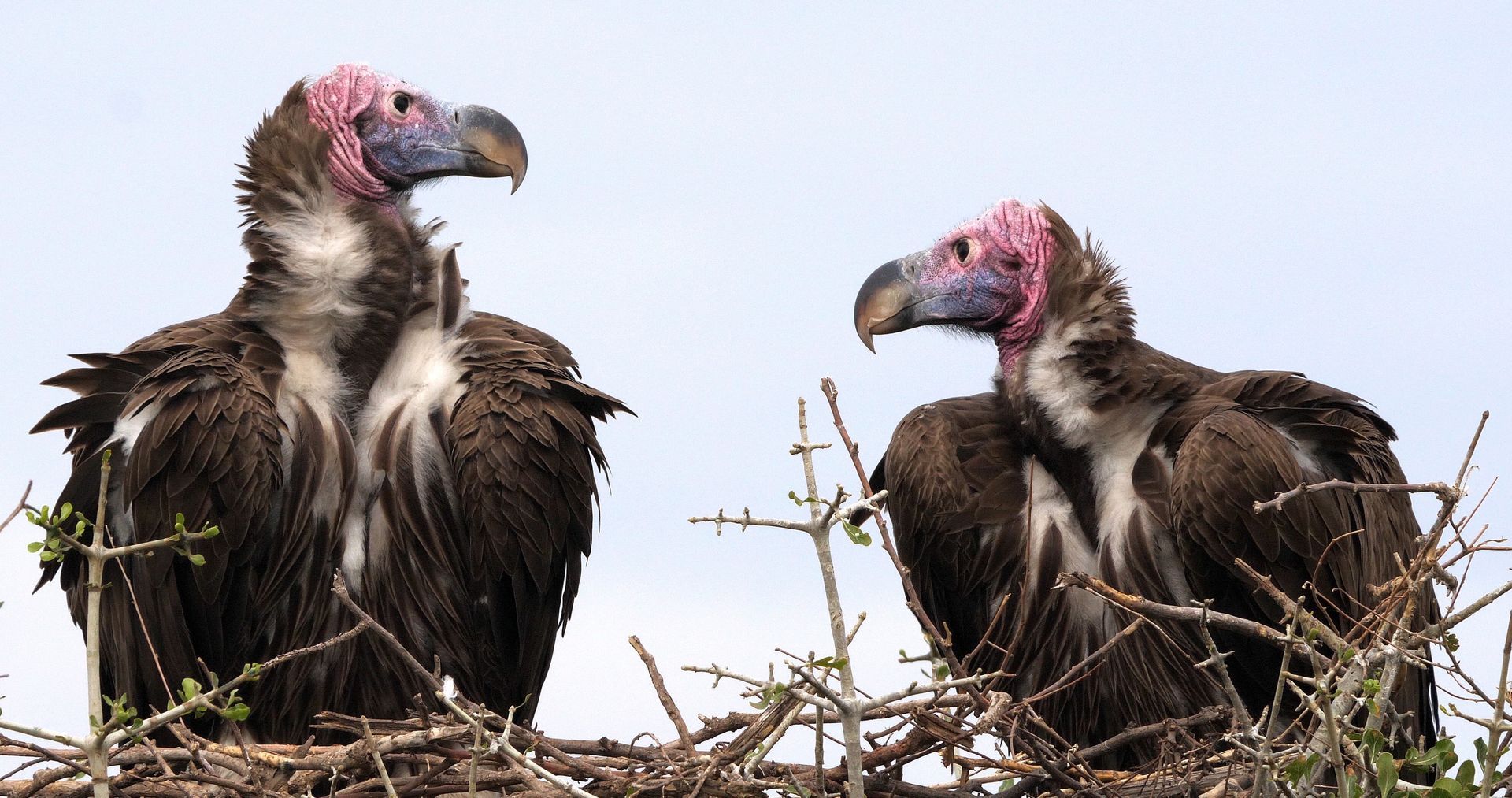
The result? A pristine wetland wonderland dotted with more than 150,000 islands that's home to huge herds of elephant and buffalo, a rich variety of plains game and predators aplenty, with more birds than you can shake a stick at. Safari heaven. Literally and physically.


Shaped like a frying pan, with its pan handle starting in the far north of Botswana and stretching south, the Delta finally opens out into the large, fan-like system of lagoons, channels and swamps that are visible from space. 


When the annual inundation recedes, parts of the delta become boggy and, in some places dry, whereas other sections, especially around the Khwai River, have water all year round. This is particularly important to understand when you're booking a safari to the Okavango, as not every region has access to year-round water, meaning that boat or water-based activities can be limited.


On safari in the Okavango


It's a safari blessing that the annual inundation takes place during the dry season months - peak safari season for northern hemisphere travellers - because it means they can do all of the wonderful water-based stuff that safaris in the Okavango are renowned for.


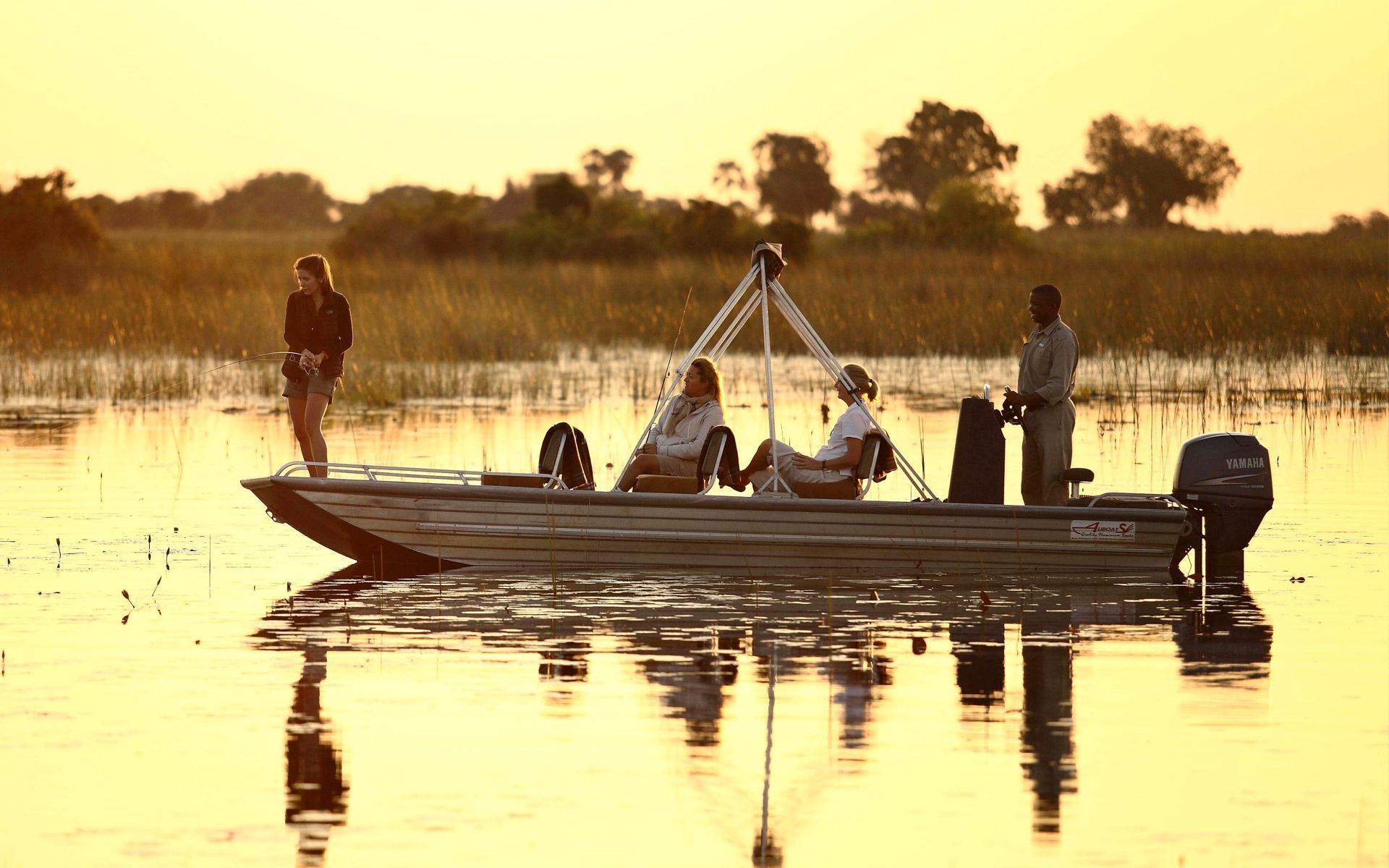
This includes boat-based safaris through the channels and lagoons and mokoro rides in which you are poled by an experienced guide standing in the rear of the mokoro (a dug-out style canoe that used to be made from local trees but is now made from fibreglass to save said trees).


But if you don't want to compete with the rest of Europe and the US during peak season, do not fret, because we know all of the secret places in the Okavango that have access to water irrespective of the time of year, with lots of permanent lagoon systems, lush channels and perennial rivers making them amazing wildlife hotspots to boot. 


Walking safaris are also popular, provided you have amazing experts like us to tell you where the best spots are for walking. Where are they? You'll just have to talk to us to get the answer to that one! But in general terms, walking is something that's done on the larger islands - the slightly raised sections of land covered in large riparian trees that stand above water-level in an otherwise completely flat landscape. Indeed, the highest land mass you'll come across in the Delta is a termite mound, so leave your mountaineering gear at home.


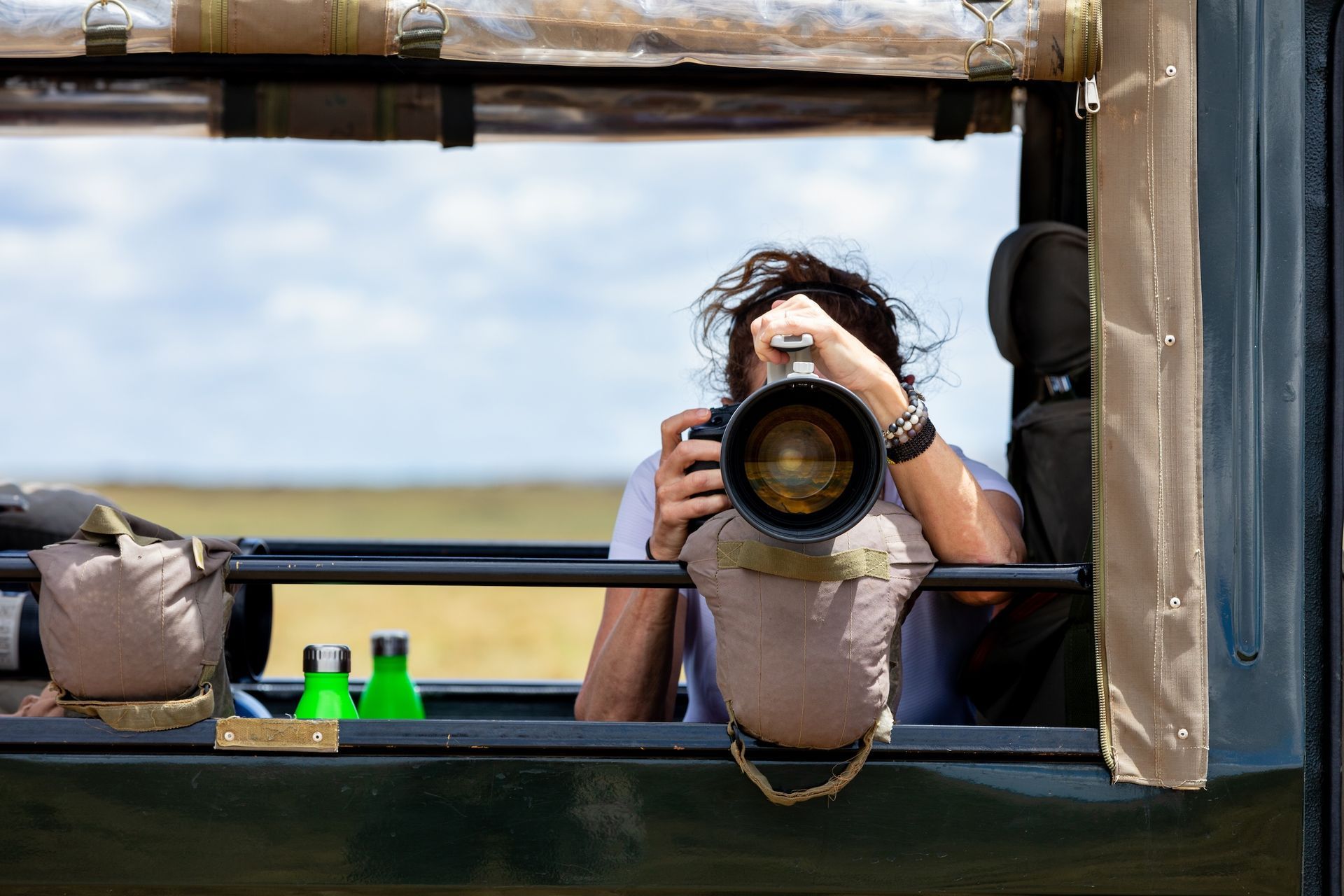
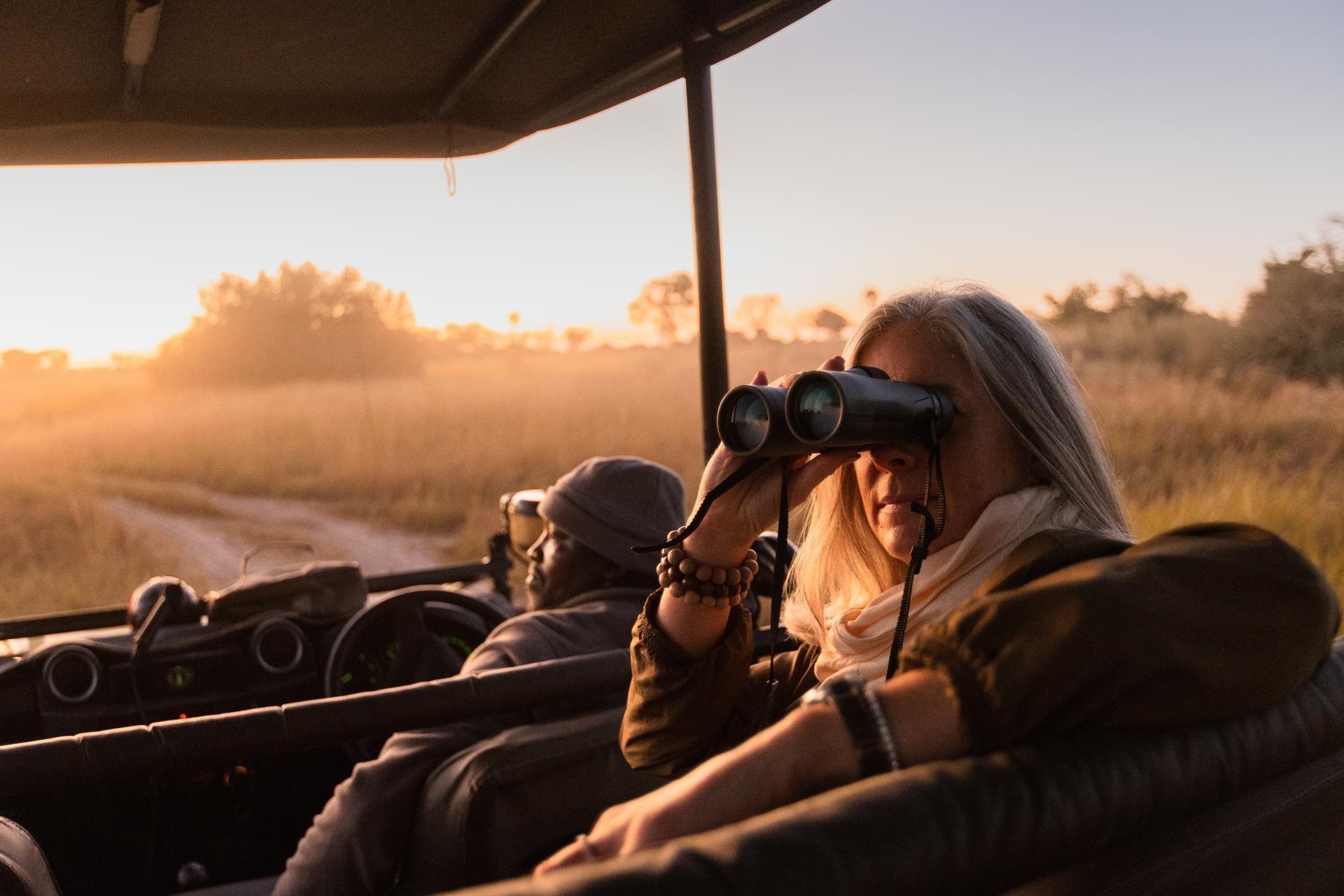
Beyond this, it's the standard two game drives a day, often in specially adapted vehicles that have been raised to accommodate the water levels and adapted particularly for the armada of keen photographers the Delta attracts. 


The standard of hospitality and safari guiding in the Okavango is exceptional and designed to help you get the very best out of your safari while at the same time completely immersing you in your surroundings. Sometimes literally, as cooling off in the tea-coloured, crystal clear waters is possible in places where your guides are confident where hippos and crocs are concerned! Otherwise, we recommend you staying inside the vehicle at all times!


Staying in the Okavango


You really are spoiled for choice when it comes to accommodation options in the Delta. From back-to-basics expedition-style tents and small, intimate, rustic tented bushcamps to uber-luxurious lodges with hot and cold running butler service and air-conditioning, the selection is broad, as is the price tag. 


On the southern edge of the Delta lies Maun - the international hub for all things Okavango. From here it's possible to drive to camps and lodges in the south so road transfers from the airport are offered. For the rest, you need a small plane or helicopter flight, depending on your budget of course! Small planes and choppers mean light luggage packed in a soft bag, so please leave the huge, wheely suitcases at home along with the kitchen sink.


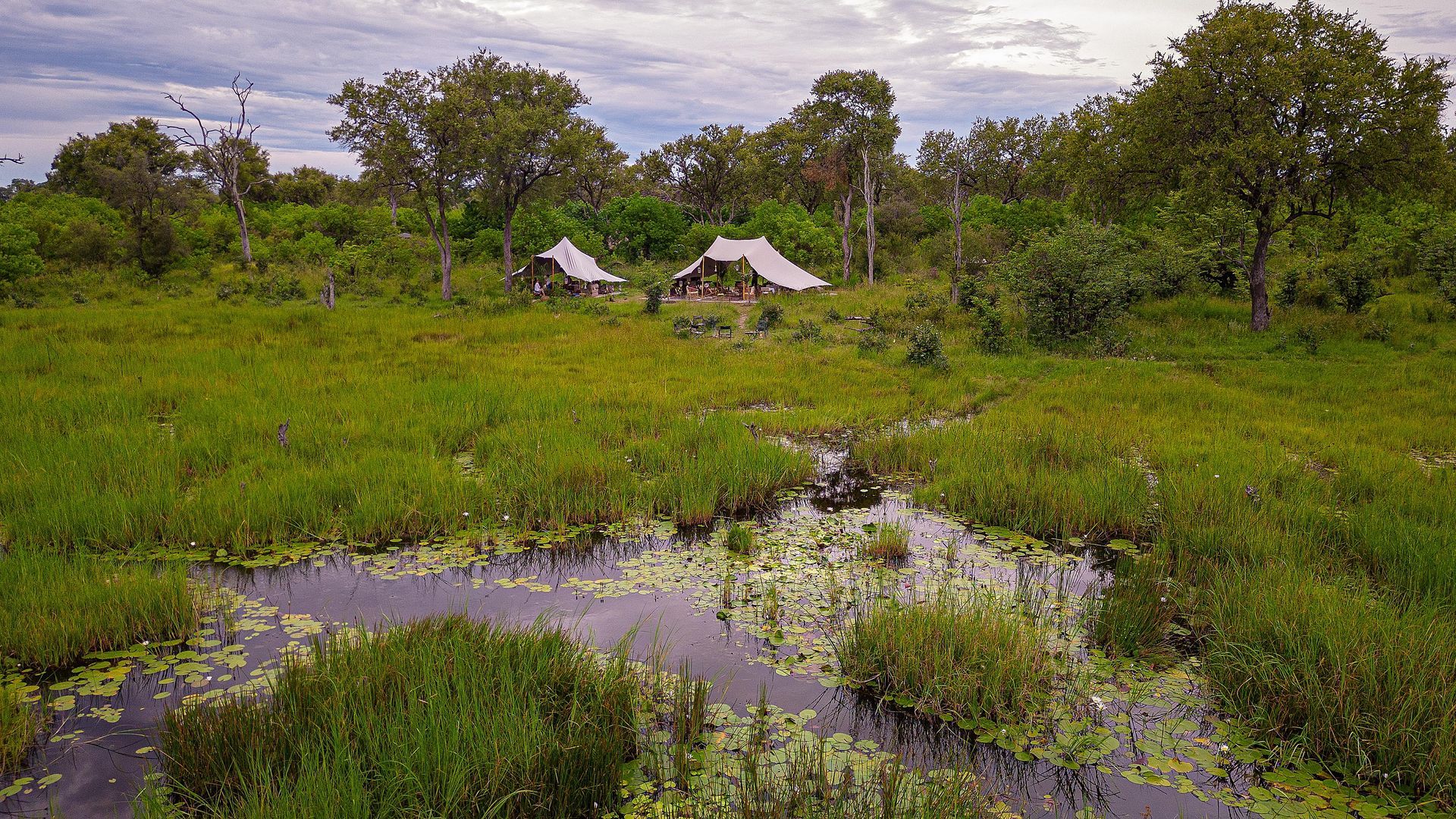
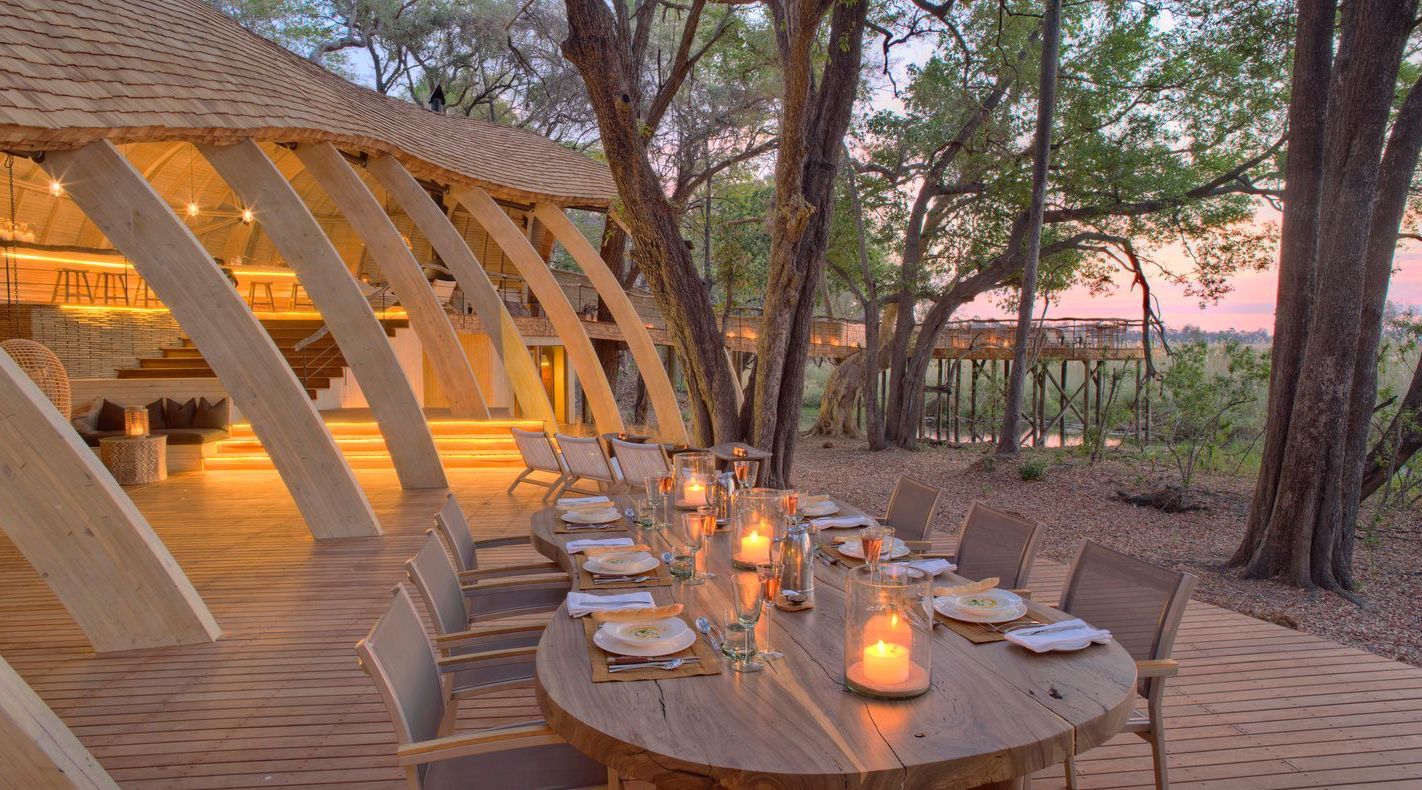
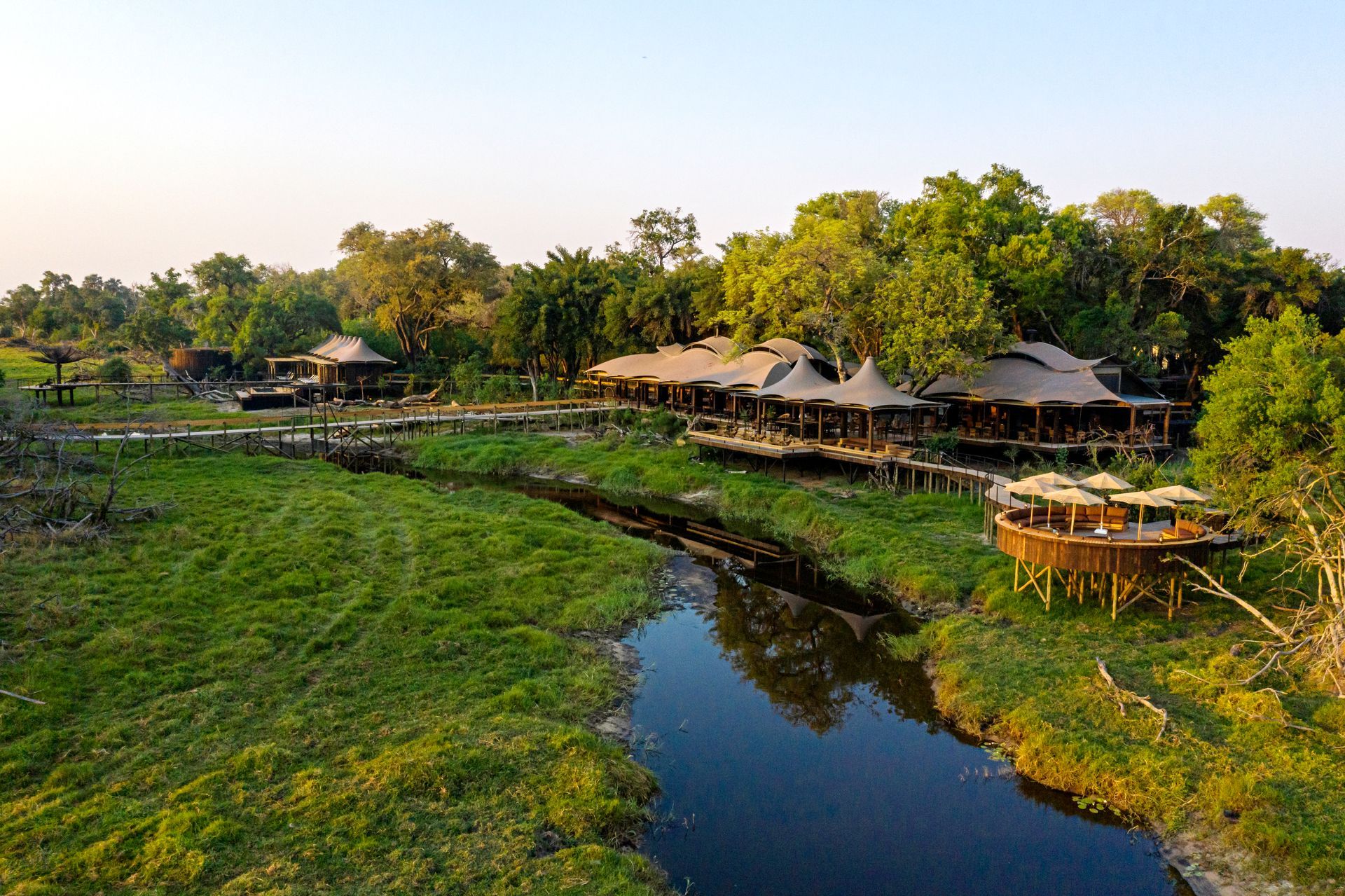
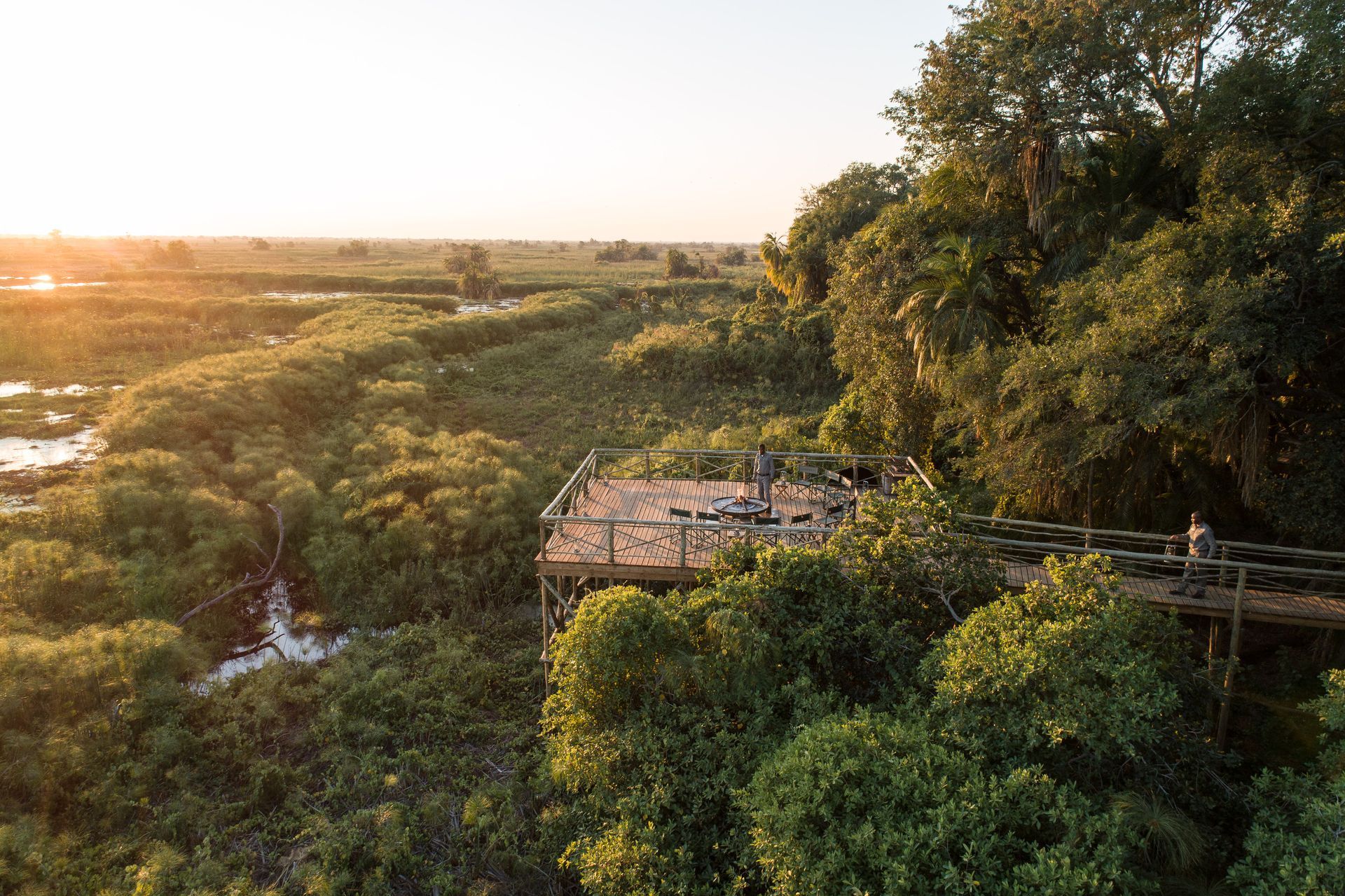
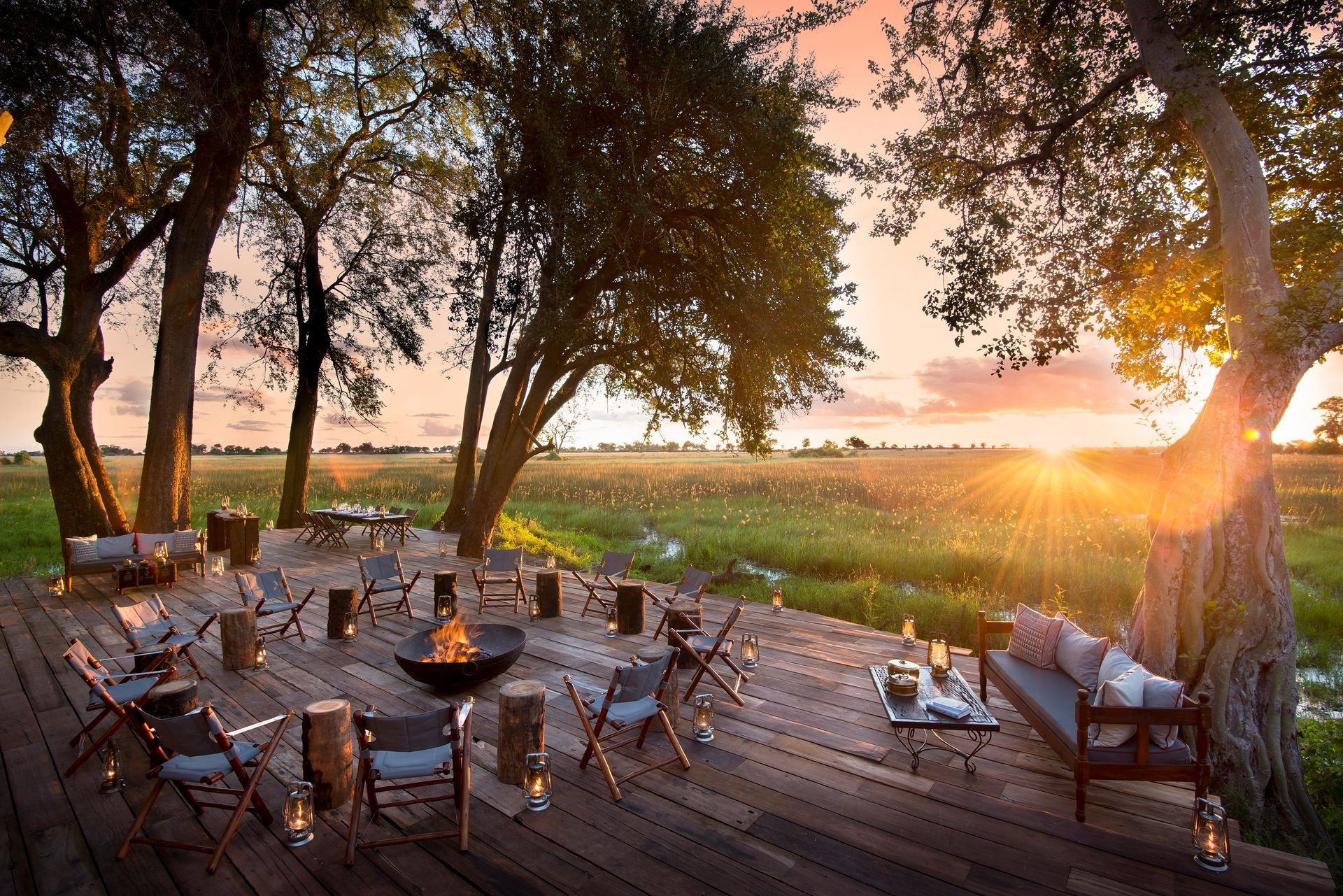
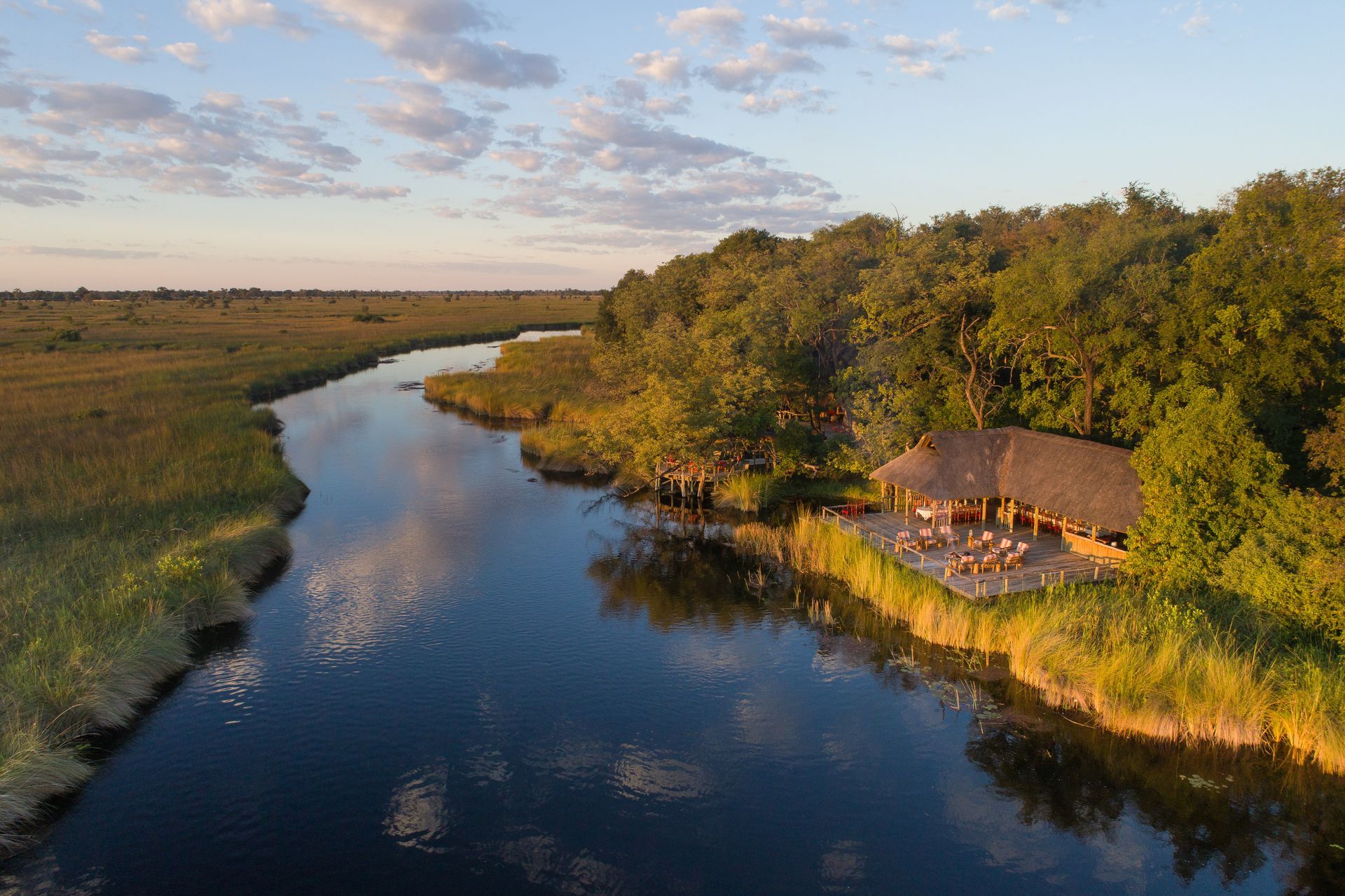
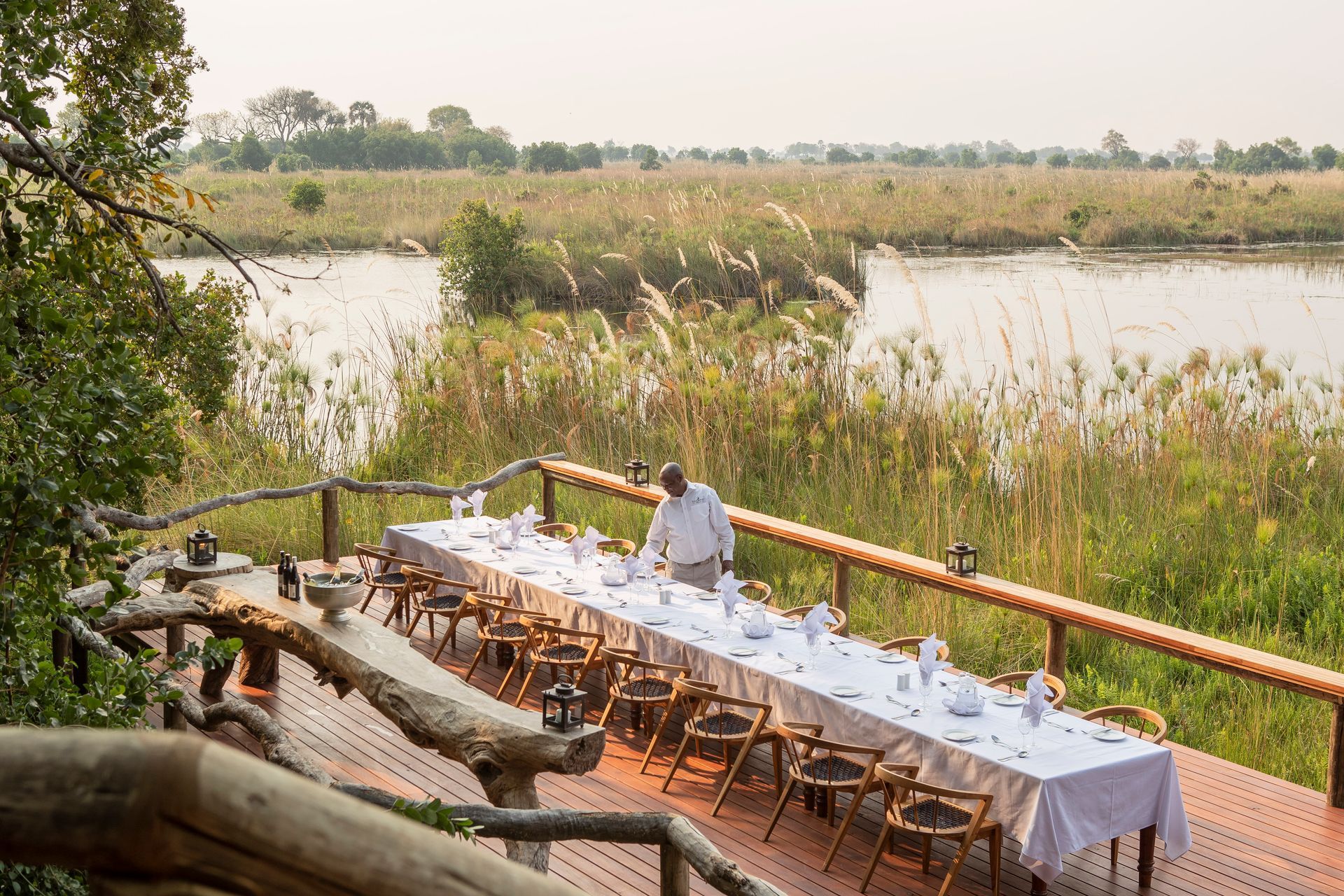
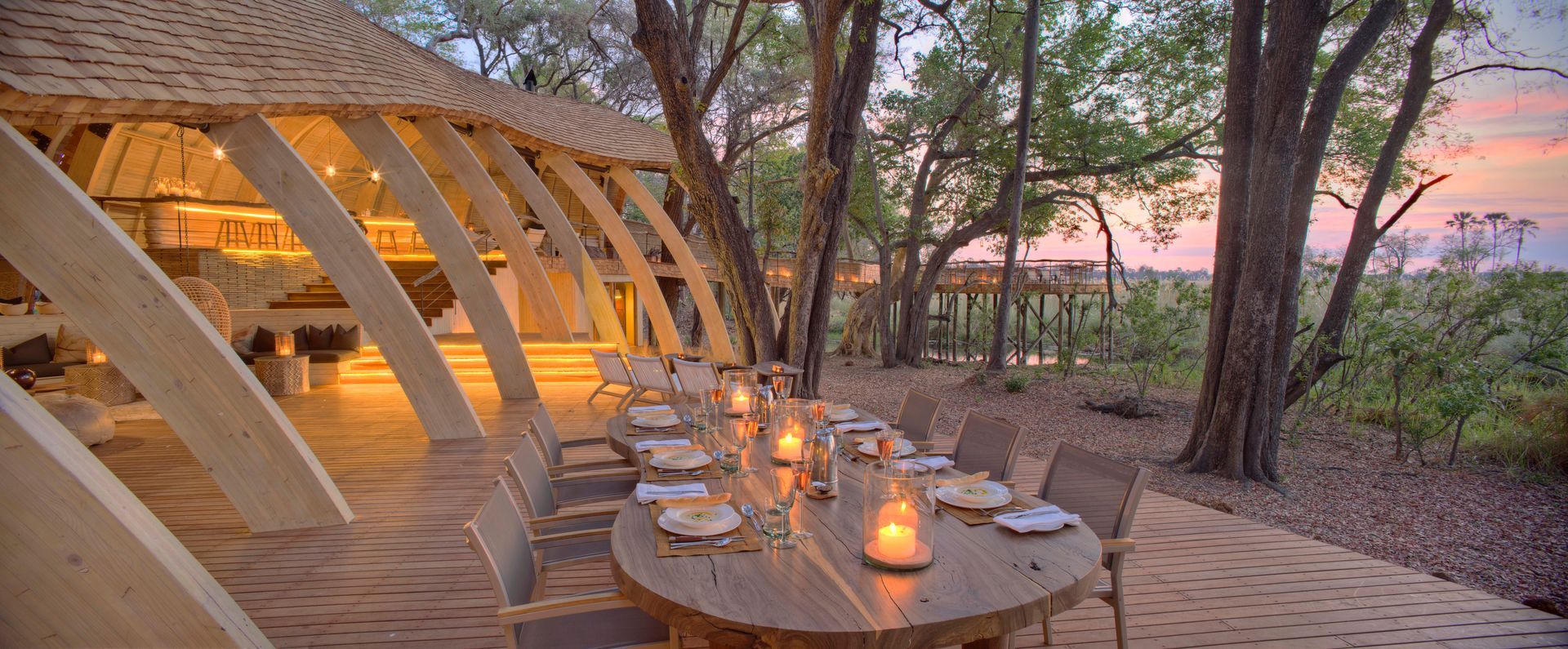
By far the majority of accommodation it the delta is tented and small, in keeping with Botswana's ethos of protecting its wilderness areas through high-end, low-impact tourism that benefits both local communities and conservation efforts. We work with a wide range of amazing destinations that we know are truly sustainable and putting enormous effort into helping people and planet - some of which are pictured on the right. 


So, all that's left for you to do is pick up the phone or drop us an email. Or WhatsApp. And we'll get you to the Okavango in a jiffy (as in quickly, not in a paper-covered, padded plastic bag). 

Text: Sharon Gilbert-Rivett

We know. "Best" is a strong word. But honestly, Botswana's Okavango Delta deserves every letter of it. With a capital B. This huge inland alluvial fan is where the waters of the Okavango River empty into the perpetually thirsty sands of the Kalahari Basin, forming one of the most game-rich wilderness areas in Africa. It's breathtaking and has to be seen to be believed. We can help with that, of course, but in the meantime, let's take an editorial tour of this amazing destination...


When it comes to wildlife, the Okavango Delta is possibly the quintessential safari destination, being filled to the brim with an abundance of iconic African animals of every shape and description. It's part of the reason it's a UNESCO World Heritage Site and one of Africa's seven natural wonders, alongside the Nile, the Great Wildebeest Migration, the Sahara, Kilimanjaro, the Ngorongoro Crater and the Red Sea's coral reefs.


Interesting nerdy stuff


Geographically speaking, it's an absolute marvel. Fed by rainfall in the Angolan highlands, what becomes the Okavango River then flows through Namibia and into Botswana, never reaching the sea but flooding a vast expanse of the Kalahari during the dry winter months. This is known as the annual inundation during which the Okavango grows to three times its size, from around 6,000km2 to approximately 15,000km2! 


Why does this happen? What a clever question - you're obviously keeping up! It's all down to geology, actually. You see, constantly shifting tectonic plates have played a large part in the Okavango Delta's creation, carving out the Kalahari basin and preventing any river flowing into it from escaping to the sea. 


Up until 60,000 years ago the Okavango River emptied into a lake the size of Switzerland which eventually dried up, again thanks to tectonic movement, creating the Makgadikgadi Pans in the process and causing the river to empty into the Kalahari instead.


The result? A pristine wetland wonderland dotted with more than 150,000 islands that's home to huge herds of elephant and buffalo, a rich variety of plains game and predators aplenty, with more birds than you can shake a stick at. Safari heaven. Literally and physically.


Shaped like a frying pan, with its pan handle starting in the far north of Botswana and stretching south, the Delta finally opens out into the large, fan-like system of lagoons, channels and swamps that are visible from space. 


When the annual inundation recedes, parts of the delta become boggy and, in some places dry, whereas other sections, especially around the Khwai River, have water all year round. This is particularly important to understand when you're booking a safari to the Okavango, as not every region has access to year-round water, meaning that boat or water-based activities can be limited.


On safari in the Okavango


It's a safari blessing that the annual inundation takes place during the dry season months - peak safari season for northern hemisphere travellers - because it means they can do all of the wonderful water-based stuff that safaris in the Okavango are renowned for.


This includes boat-based safaris through the channels and lagoons and mokoro rides in which you are poled by an experienced guide standing in the rear of the mokoro (a dug-out style canoe that used to be made from local trees but is now made from fibreglass to save said trees).


But if you don't want to compete with the rest of Europe and the US during peak season, do not fret, because we know all of the secret places in the Okavango that have access to water irrespective of the time of year, with lots of permanent lagoon systems, lush channels and perennial rivers making them amazing wildlife hotspots to boot. 


Walking safaris are also popular, provided you have amazing experts like us to tell you where the best spots are for walking. Where are they? You'll just have to talk to us to get the answer to that one! But in general terms, walking is something that's done on the larger islands - the slightly raised sections of land covered in large riparian trees that stand above water-level in an otherwise completely flat landscape. Indeed, the highest land mass you'll come across in the Delta is a termite mound, so leave your mountaineering gear at home.


Beyond this, it's the standard two game drives a day, often in specially adapted vehicles that have been raised to accommodate the water levels and adapted particularly for the armada of keen photographers the Delta attracts. 


The standard of hospitality and safari guiding in the Okavango is exceptional and designed to help you get the very best out of your safari while at the same time completely immersing you in your surroundings. Sometimes literally, as cooling off in the tea-coloured, crystal clear waters is possible in places where your guides are confident where hippos and crocs are concerned! Otherwise, we recommend you staying inside the vehicle at all times!


Staying in the Okavango


You really are spoiled for choice when it comes to accommodation options in the Delta. From back-to-basics expedition-style tents and small, intimate, rustic tented bushcamps to uber-luxurious lodges with hot and cold running butler service and air-conditioning, the selection is broad, as is the price tag. 


On the southern edge of the Delta lies Maun - the international hub for all things Okavango. From here it's possible to drive to camps and lodges in the south so road transfers from the airport are offered. For the rest, you need a small plane or helicopter flight, depending on your budget of course! Small planes and choppers mean light luggage packed in a soft bag, so please leave the huge, wheely suitcases at home along with the kitchen sink.


By far the majority of accommodation it the delta is tented and small, in keeping with Botswana's ethos of protecting its wilderness areas through high-end, low-impact tourism that benefits both local communities and conservation efforts. We work with a wide range of amazing destinations that we know are truly sustainable and putting enormous effort into helping people and planet - some of which are pictured on the right. 


So, all that's left for you to do is pick up the phone or drop us an email. Or WhatsApp. And we'll get you to the Okavango in a jiffy (as in quickly, not in a paper-covered, padded plastic bag). 


Text: Sharon Gilbert-Rivett

December 4, 2025
Let's get one thing straight. Safaris are not only for shiny Gen Zs or upwardly mobile Millennials - or twenty-somethings with suspiciously clean trainers and an Instagram strategy. They are not reserved for families with small children who want to tick off the Big Five before lunch.
December 4, 2025
There is a particular magic to a great safari. Guests often describe it as smooth, relaxed, beautifully paced and full of those pinch yourself moments where everything seems to line up perfectly. You arrive at your tent and your luggage is already waiting.
November 24, 2025
Out in the bush, things happen quickly. A rustle in the grass, a faint sound in the distance, a brief flicker of movement that you might miss if you blink. Your guide is the one who notices it first. Your wilderness hero. Your safari sherpa. Your resident wizard of the wild.
October 22, 2025
There’s a moment in the pre-dawn hush of the African wild when the world holds its breath. The stars are still out, the campfire’s nothing but embers, and your tent is just beginning to feel like a place of rest. And then it happens. A guttural, gurgling, hiccup-snort-roar erupts metres from your head.
October 22, 2025
Forget everything you think you know about a safari. Simba is not going to turn and wink at you from a ridge as the sun rises over the savannah. No elephant is going to pause politely for your selfie. And hyenas do not sound like Whoopi Goldberg. Africa is not a Disney movie, and thank heavens for that.
September 11, 2025
You’ve booked the safari. The excitement is building. You’ve got your itinerary sorted. But wait - what are you going to wear? Yes, safari fashion is a thing, and it’s more than just throwing on khakis and calling it a day. If you want to feel comfortable, stay stylish, and blend into your surroundings (without standin
August 28, 2025
The first time your phone flashes "No Service", you might panic. No bars. No WiFi. No updates. You’re officially off the grid. Untethered. Unplugged. Unreachable. And if that thought makes your palms a bit sweaty - you’re exactly where you need to be. Welcome to safari.
August 28, 2025
Virtually everyone comes to Africa with a dream: the lion in the golden light, the leopard draped over a branch like royalty, the elephant rolling in a dust bath. And don’t get us wrong - we adore these iconic species and the rest of the Big Five. They’ve earned their fame.
July 16, 2025
Sometimes you just need to get away. Switch off the phone, shut the laptop, and head for the kind of place where silence stretches for miles and the sunsets make you want to cry a little bit. Namibia gave me all that and more.
June 23, 2025
It hits you somewhere over Cairo. Maybe Nairobi. Maybe Jo’burg, if you're lucky enough to have delayed the inevitable. Your skin still smells like dust and firewood. There's dried mud on your boots, and a reddish stain on the back of your jeans you’ll never be able to explain to your dry cleaner.