
THE BEST TIME TO GO ON SAFARI?
Whenever you want. So, get packing and let's go.
It's the question that haunts our inboxes and confuses algorithms across the safari. Ask the internet what the best time to go on safari is and it will throw you charts, graphs, temperature ranges, and generalisations so sweeping they could double as weather patterns themselves. But here’s the truth no one wants to say out loud: there is no perfect time. Because safari isn’t a show with scheduled intervals - it’s a living, shifting, gloriously unscripted performance, and every month offers something extraordinary (and something it stubbornly withholds)...
Newsflash: the African wilderness doesn’t run on your annual leave schedule. So, let’s stop pretending there’s a single correct answer to "the" question. Instead, let’s unpack what “best” actually means - for you, for your expectations, and for the version of the wild you’re ready to meet.
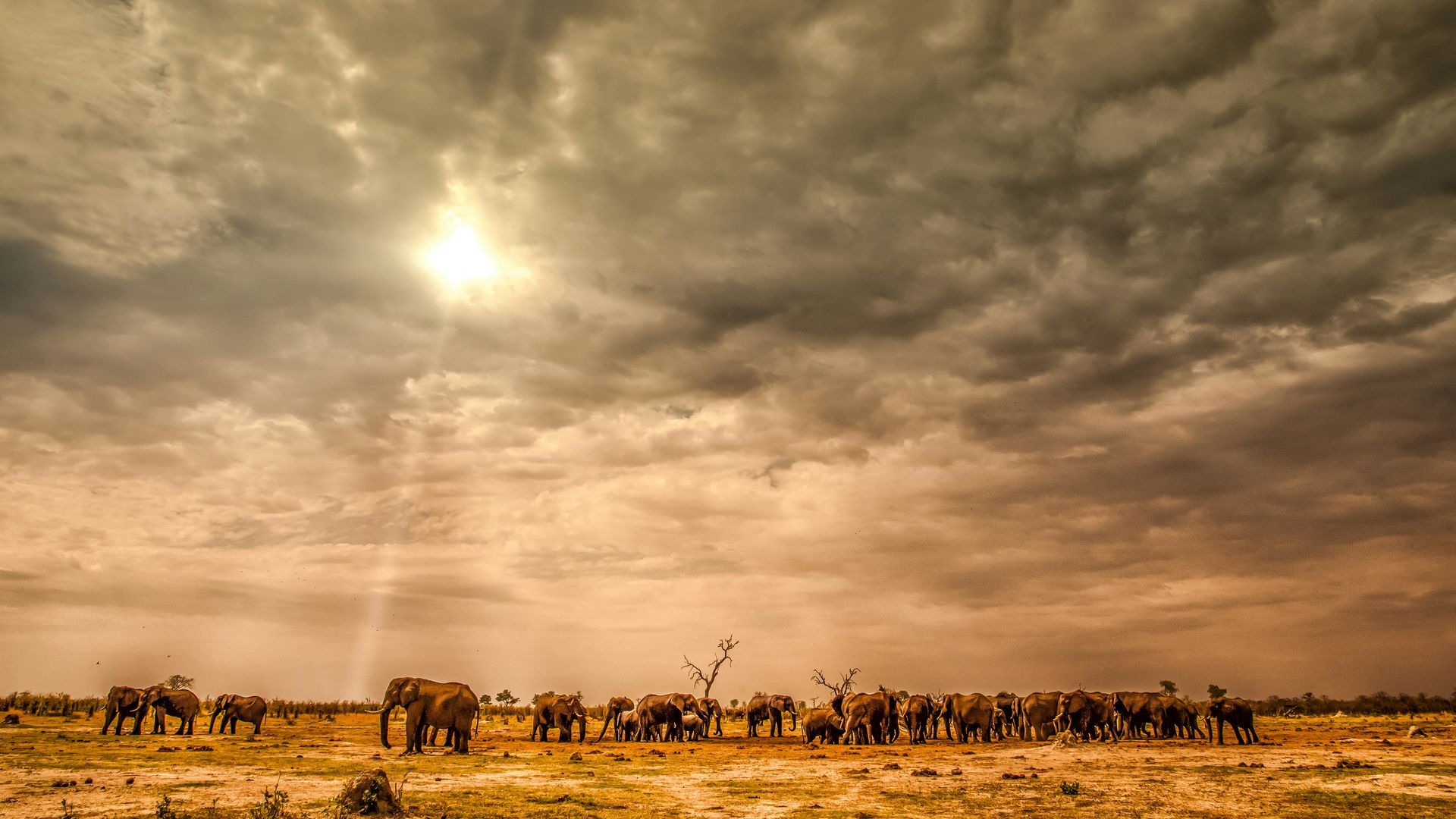
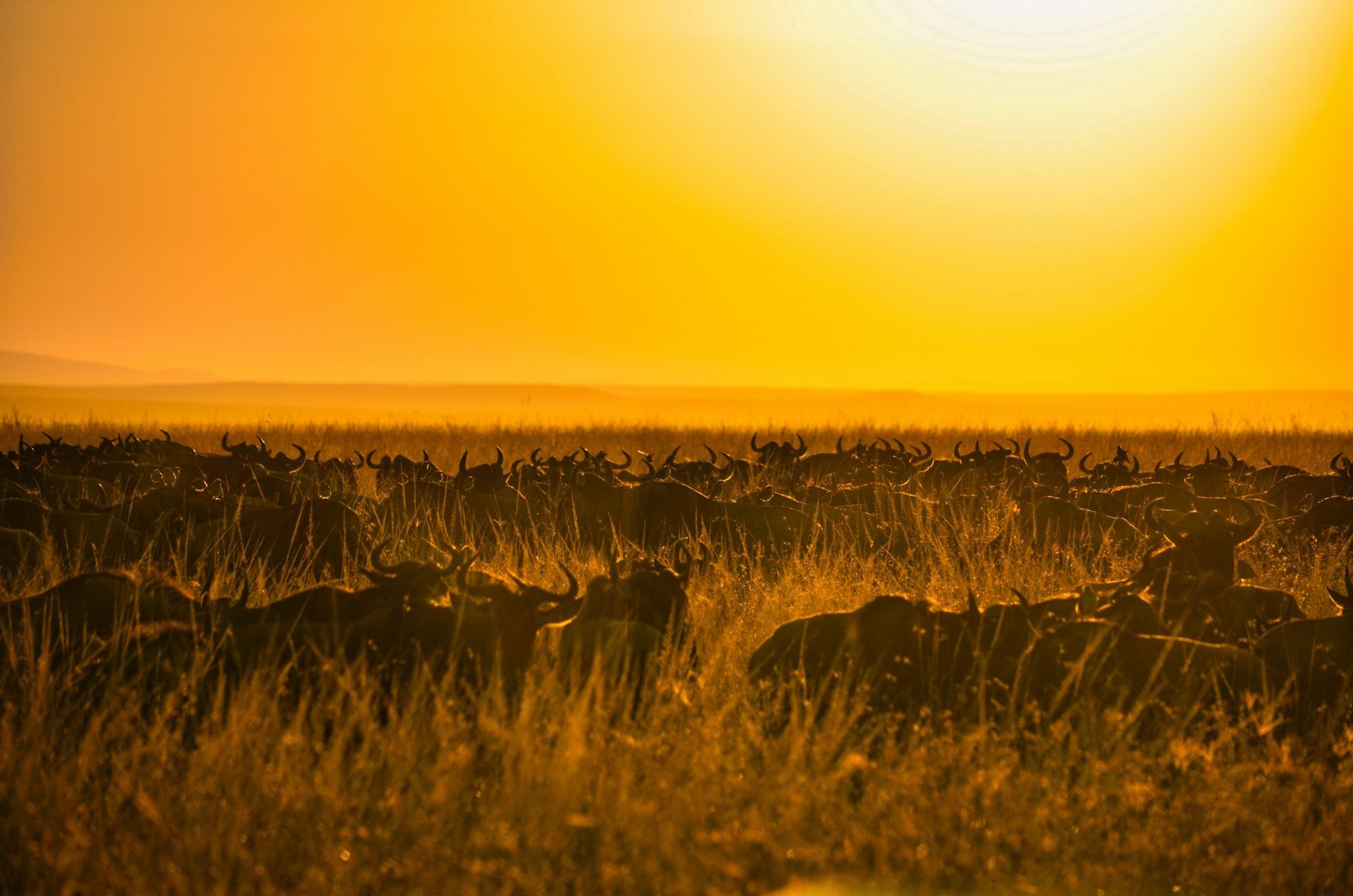
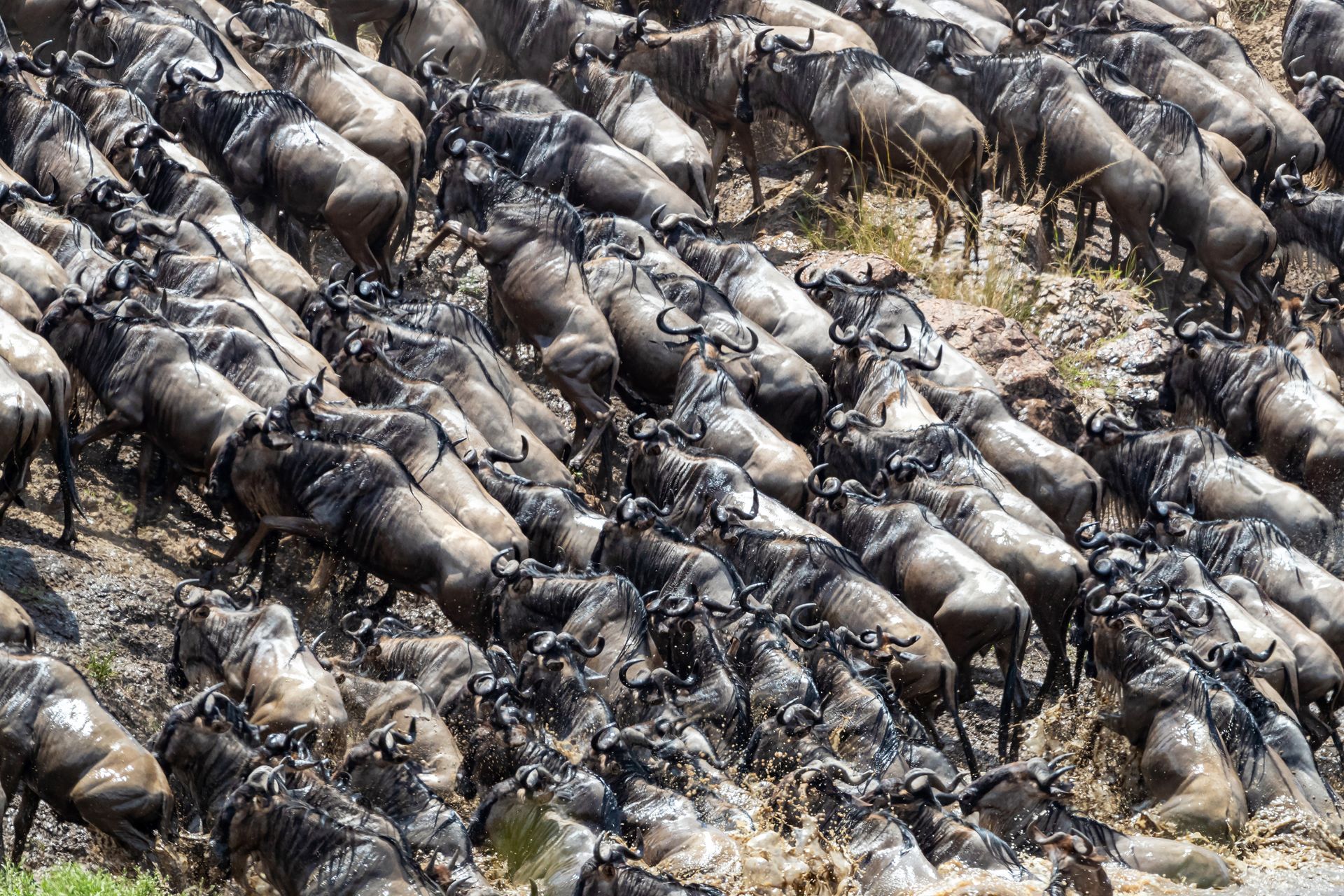
Yes, wildlife is easier to spot in the dry season (which varies depending on where you want to go on safari - Southern Africa or East Africa). This is when the grass is low and the water scarce. The great herds gather. Predators lounge in the open. Visibility improves. Photographers rejoice.
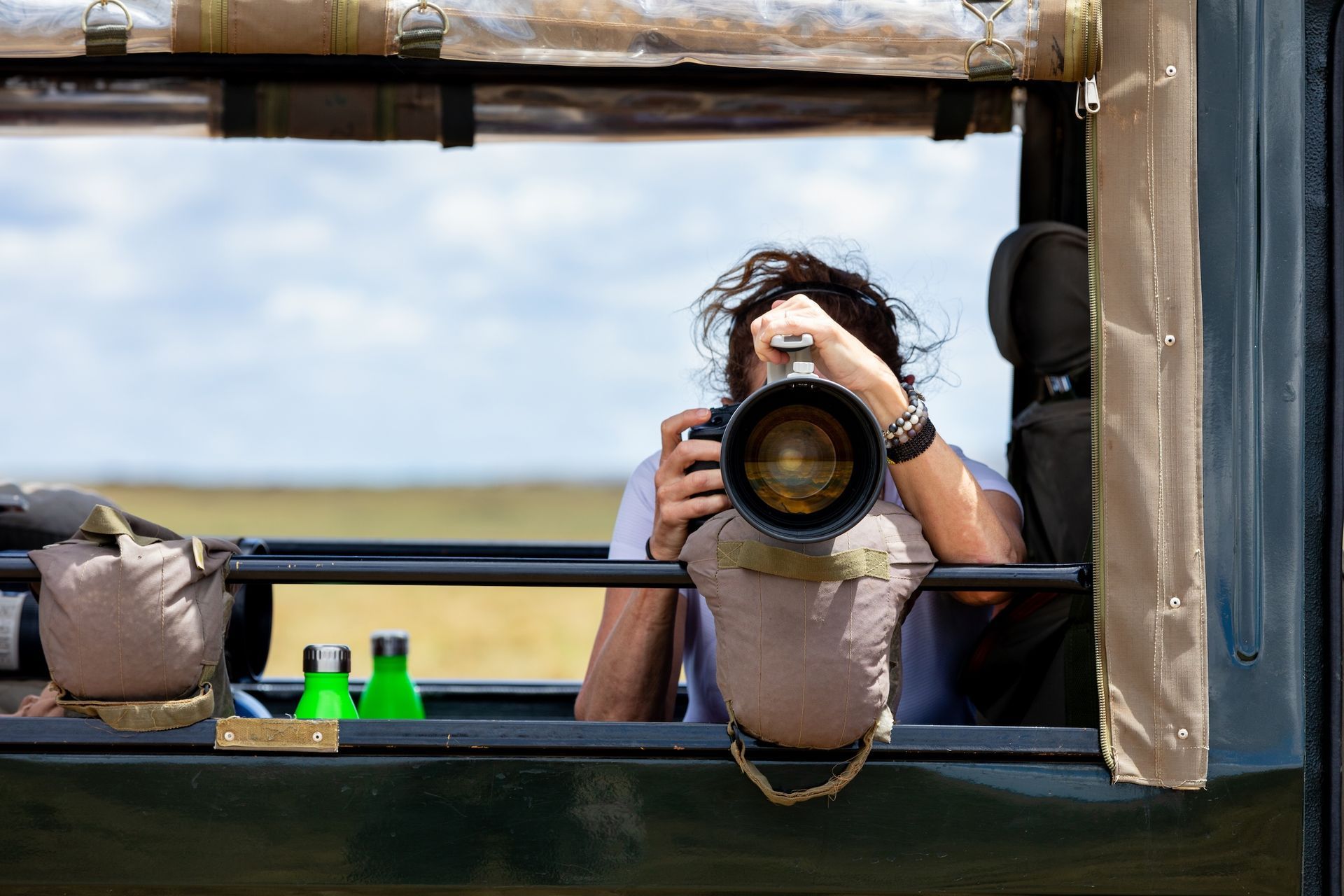
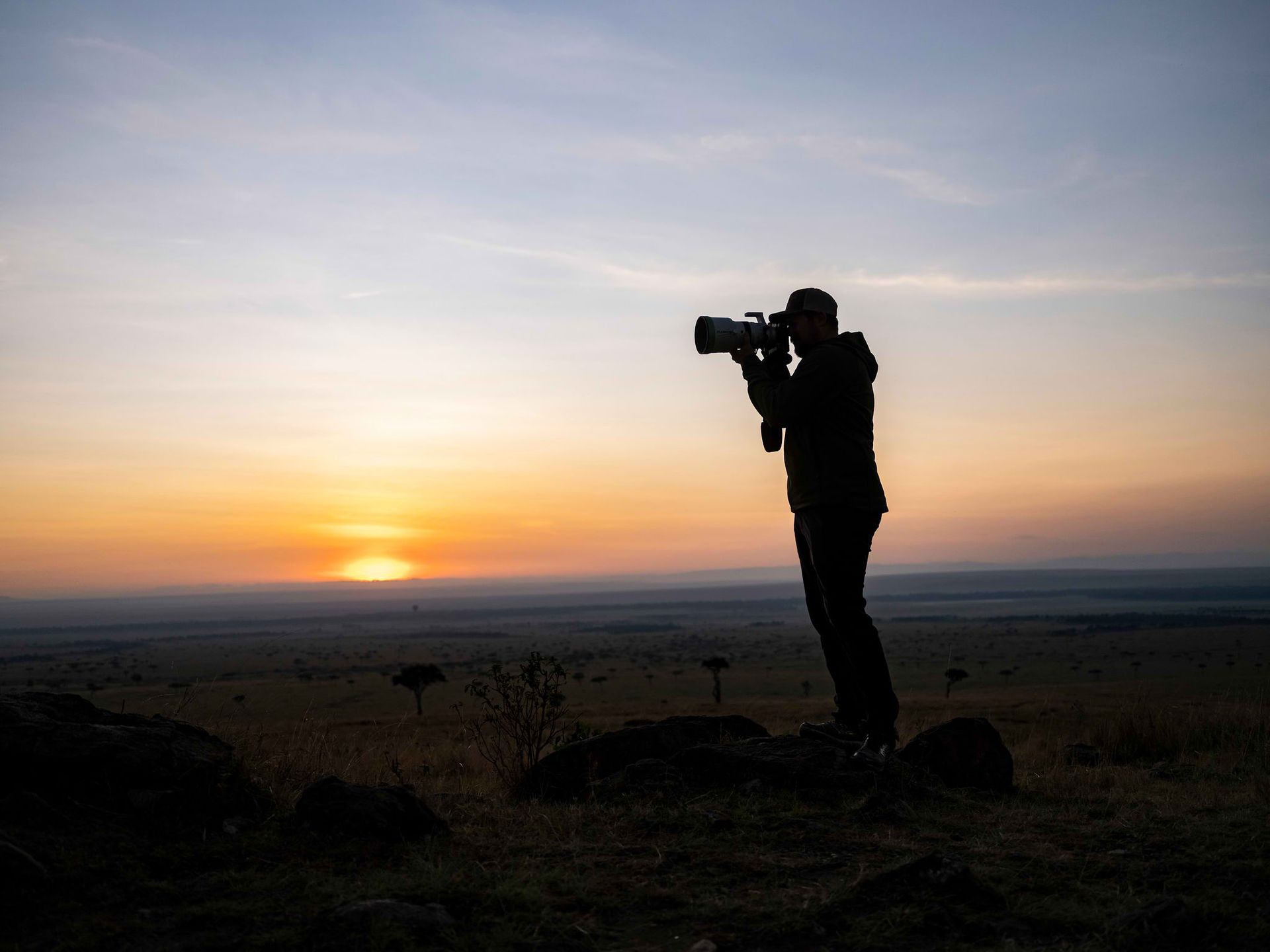
But guess what else happens? Dust. Crowds. Parks become popular. Your lion moment might come with the dulcet hum of six other vehicles, one drone, and someone in cargo shorts loudly debating ISO settings. That said, dry season sightings can be phenomenal. Iconic, even. You just have to know where to go (hint: it’s rarely where the masses are headed). Choose private concessions. Explore lesser-known reserves. Embrace early starts and long sits. And manage your expectations: nature doesn’t do appointments.
Don't let anyone ever tell you that you shouldn't go on safari in the summer when it tends to rain a bit and the bush is a bit on the thick side (rain depending, of course). The green season is the safari rebel’s favourite time of year.
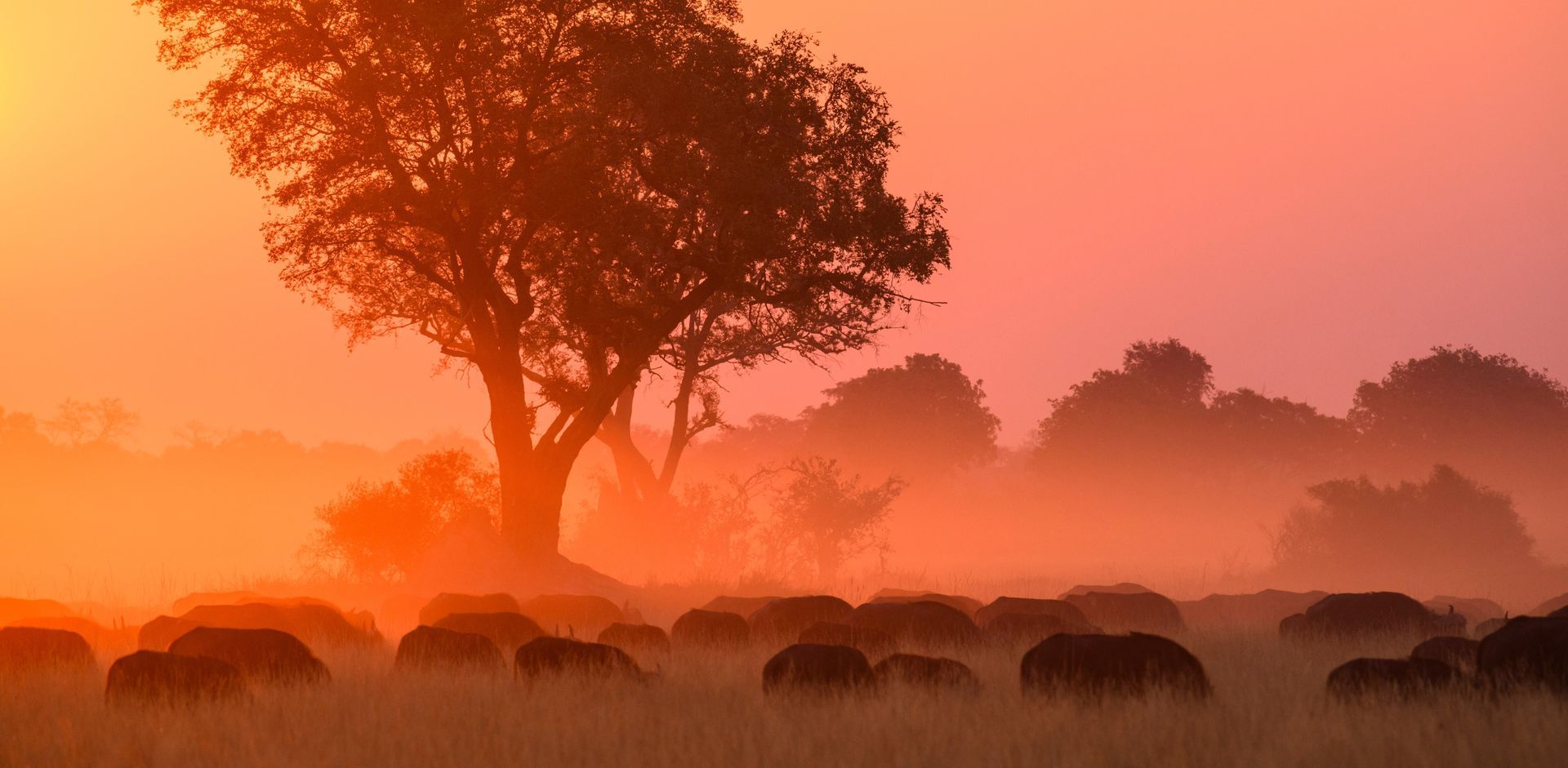
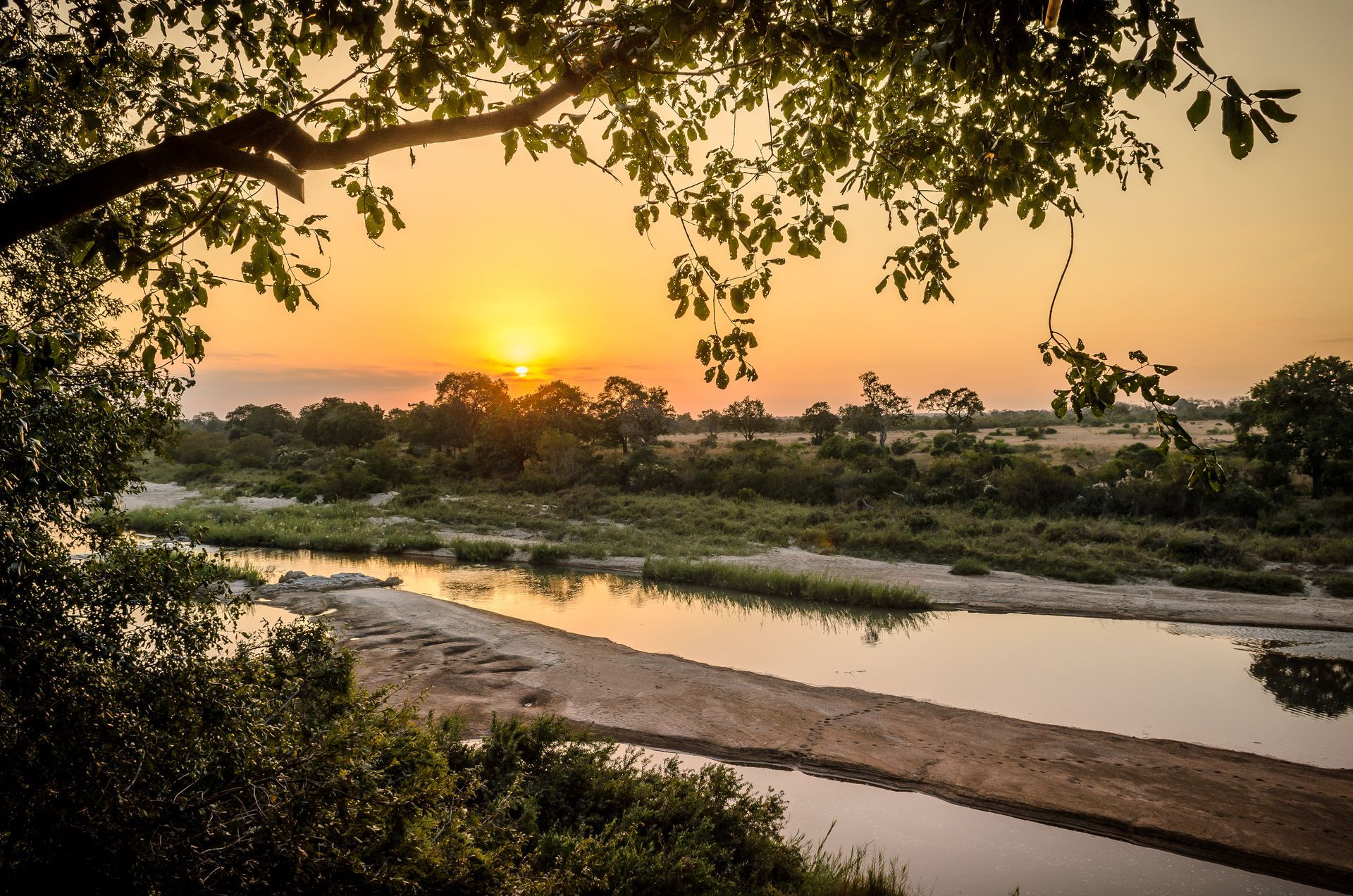
You’ve heard the whispers. “Too wet.” “Too lush.” “Too many bugs.” But here’s the thing - if you’ve ever wanted to feel like you’ve got the bush to yourself, this is when to go. Storms roll in dramatically and leave behind painterly skies. Birds burst into breeding plumage. Babies wobble on new legs. And the landscape? Electric. Everything’s green, glittering and alive.
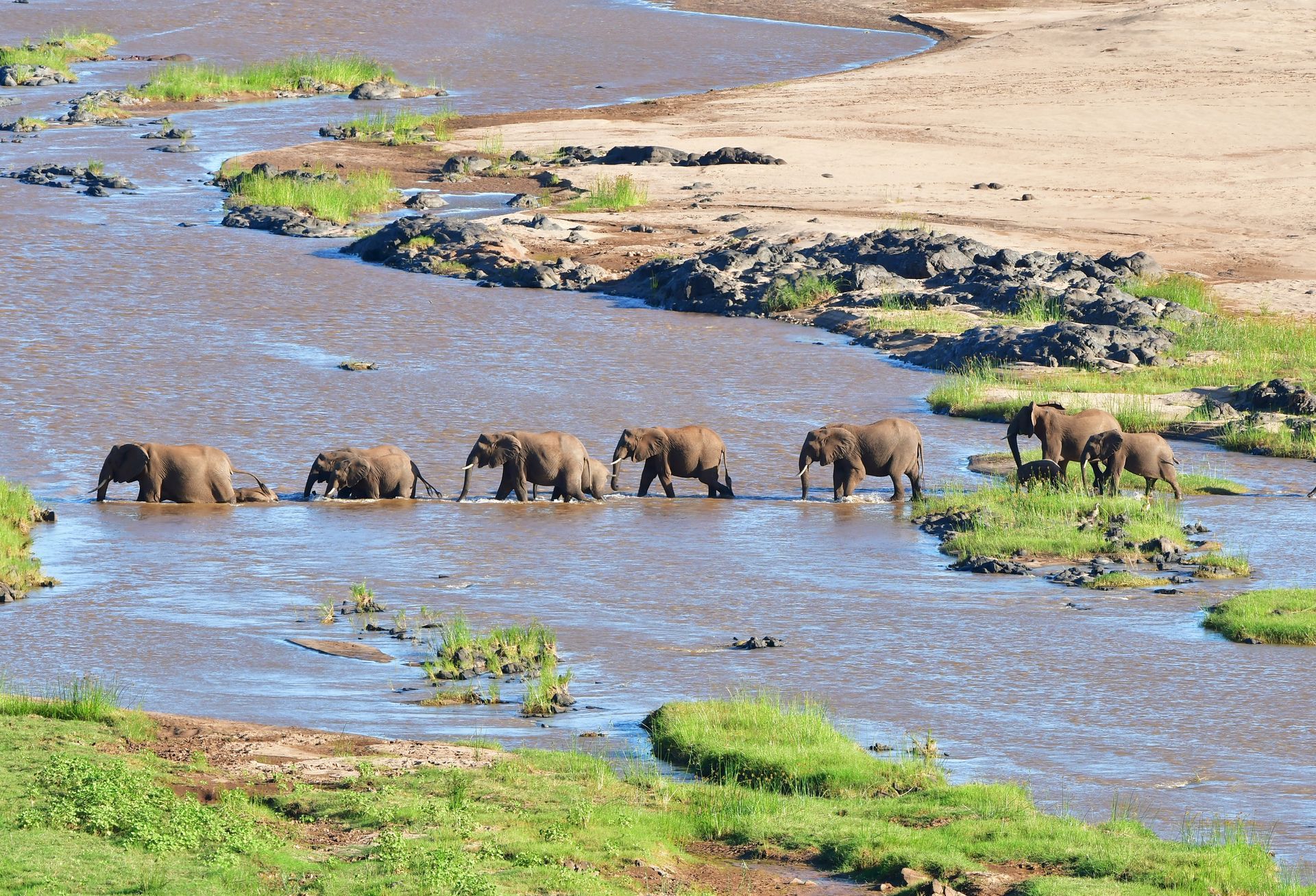
Sure, you might get rained on. You might also have a leopard sighting so private it feels like a dream sequence. You’ll see things no dry season guest ever does - frogs in technicolour, elephants swimming, zebras foaling in mist-shrouded valleys. You may also pay less. Sleep better. And eat very, very well (chefs love the quiet months).
Shoulder season is another misnomer created to further segment time, because humans love pigeonholes and boxes. Sigh. Realistically, this "period" is the in-between months no one really focuses on - April, May, September, October... Months with confusing repuations but surprisingly golden rewards. In the Southern hemisphere they translate to spring and autumn and sweet spots no one talks about
This is when savvy travellers strike. The rains ease or begin, the grass hasn’t quite gone crunchy, and the bush is still holding onto a bit of its summer magic or getting ready for it. Fewer vehicles, better value, and sightings that don’t require binoculars or luck. You might get a storm. It might get hot. You might also get that glowing, low-angle light that makes even a giraffe’s knee look cinematic.
Timing is also relative. It's not just about what's on offer. Are you someone that just comes to see, or the type of traveller who prefers to feel? Seeing is like ticking things off a list, whereas feeling requires a bit of expert timing. Your perfect time might not be anyone else’s. Maybe you love the drama of dry season skies and thunderstorms that knock your socks off. Maybe you want babies and birds and the smell of rain on dust. Maybe you want peace more than sightings. Or silence more than action.
The best time is whatever you want to make it. Now. Or soon. Or whenever you can. Because no matter when you arrive, the bush will give you something real. It might not be what you expected. It might not make the highlight reel. But it will stay with you. And in the end, that’s the point.
There is no perfect time. There’s just your time. And that’s more than enough.
Need help figuring out your kind of "best"? We’ll talk weather, wildlife, and where the safari crowds aren’t.
Text: Sharon Gilbert-Rivett